PHOTO
Saudi Arabia has officially launched operations at two major water infrastructure projects - the Jubail 3B Independent Water Project (IWP) and the Dammam West Independent Sewage Treatment Plant (ISTP) - as part of efforts to enhance national water security and improve efficiency of the Kingdom’s water network.
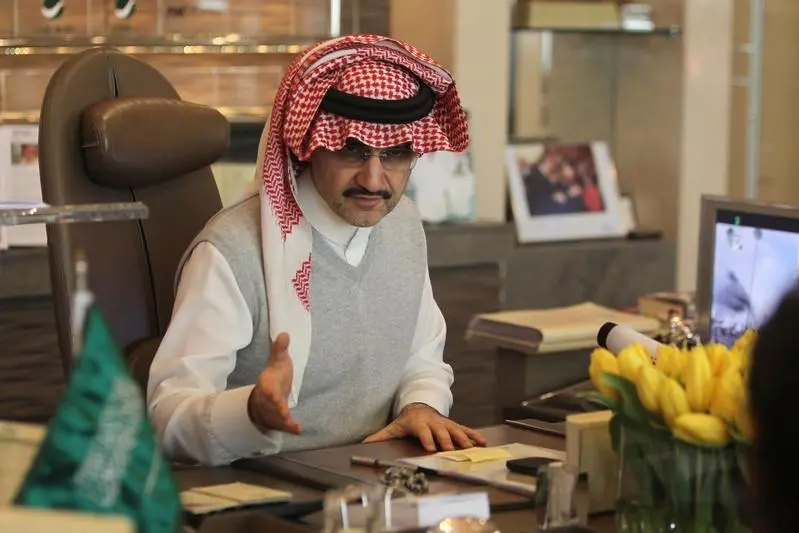
The inauguration took place on Sunday under the patronage of Prince Saud bin Naif bin Abdulaziz, Governor of the Eastern Province, and in the presence of Minister of Environment, Water and Agriculture Abdulrahman Al-Fadley, the offtaker Saudi Water Partnership Company (SWPC) said in a press statement.
Jubail 3B IWP
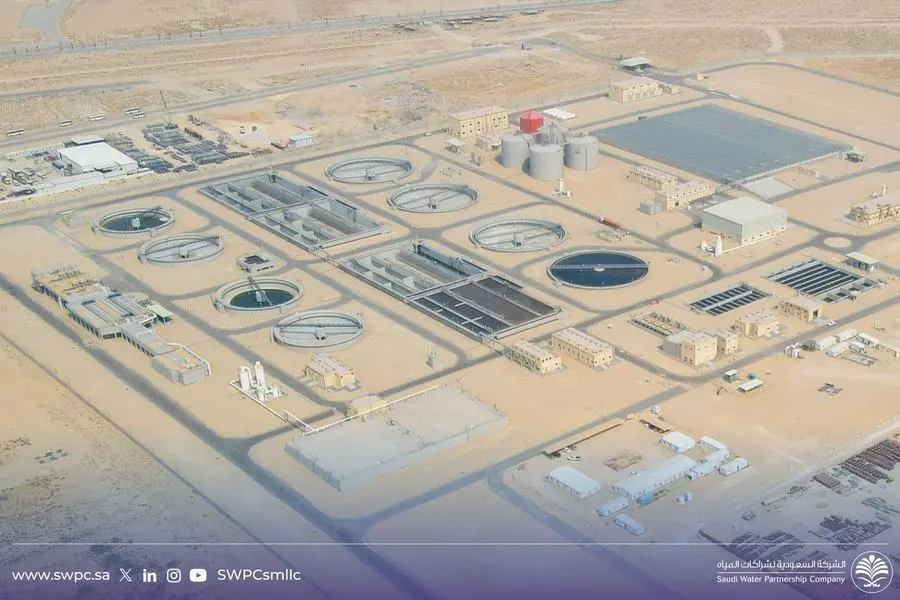
Jubail 3B IWP, located in Jubail, has a capacity of 570,000 cubic metres per day (m3/day) of desalinated water, supported by matching storage capacity and a 3.5 km water transmission pipeline.
The sea water reverse osmosis (SWRO) desalination project, which will serve Riyadh and Qassim regions, has been developed under a Build, Own and Operate (BOO) model by a consortium of Engie (40 percent), Ajlan (30 percent), and Nesma (30 percent), with Al Jubail International Water Company operating the plant under a 25-year Water Purchase Agreement (WPA).
The 2.64 billion Saudi riyals ($704 million) project also includes a 59.3 km, overhead transmission line, 380kV Electrical Special Facilities and a 61 megawatts (MW) renewable energy component.
The project was awarded in June 2021.
Dammam West ISTP
The 200,000 m3/day Dammam West ISTP was developed under a Build, Own, Operate, Transfer (BOOT) model by a consortium comprising Metito (40 percent), Orascom (20 percent), and Mowah (40 percent), and is operated by Dammam West Company for Water under a 25-year Sewage Treatment Agreement (STA).
The $185.3 million project serves the Dammam region, and was awarded in December 2019.
(Writing by Dev Palanisamy; Editing by Anoop Menon) (anoop.menon@lseg.com)
Subscribe to our Projects' PULSE newsletter that brings you trustworthy news, updates and insights on project activities, developments, and partnerships across sectors in the Middle East and Africa.