PHOTO
On International Women’s Day, March 8, the global conversation around gender equality offers an opportunity to reflect not only on progress achieved, but on the challenges that still demand collective action. Two areas where this reflection is especially relevant are gender representation in engineering and the future of water sustainability—fields that are deeply interconnected and critical to global development.
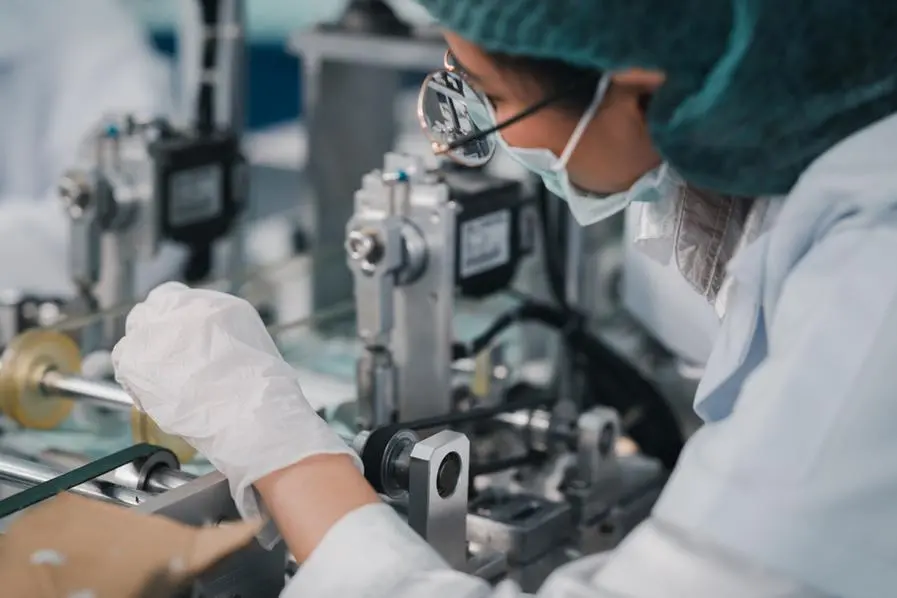
Engineering remains one of the most influential drivers of economic growth, infrastructure advancement, and environmental stewardship. Yet, despite steady progress, women continue to be underrepresented across technical disciplines, particularly in heavy industry, construction, and water infrastructure.
While educational participation is rising—women represent between 34 percent and 57 percent of STEM graduates across Arab countries—this momentum is not yet fully reflected in the workforce. Globally, women account for less than 20 percent of practicing engineers, a gap that remains visible across many technical sectors in the Middle East.
Increasing female participation is not only a matter of fairness—it is essential for innovation, diversity of thought, and long-term sector resilience.
Pathways for women
At the same time, the world faces mounting water challenges. Population growth, climate change, and industrial expansion are placing unprecedented stress on freshwater resources. In water-scarce regions such as the Middle East, desalination and advanced treatment technologies are indispensable to ensuring reliable access to potable water. Engineers and professionals delivering these solutions are therefore contributing directly to sustainability, public health, and economic stability.
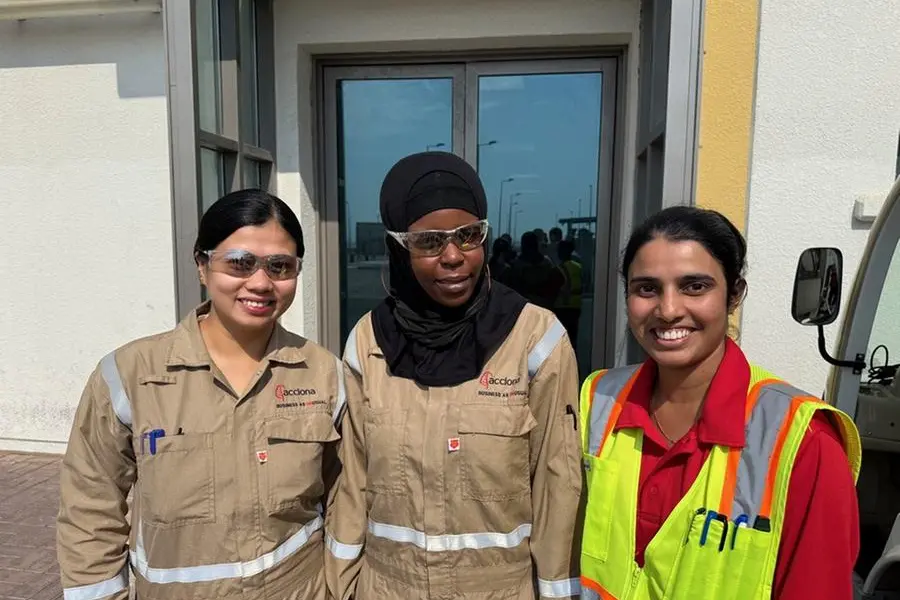
Within this context, women across multiple engineering and operational roles are helping shape the future of water—supported by organisations such as ACCIONA, where advancing sustainable infrastructure goes hand in hand with promoting gender equality and empowering diverse talent.
Professionals like Amal Khalid, a chemical engineer in the desalination sector, illustrate the growing presence of women in highly specialised technical environments. Working on reverse osmosis plants, she contributes to the optimisation and reliable operation of large-scale water treatment systems—facilities that transform seawater into safe drinking water for communities and industries. Her work reflects the combination of technical expertise, operational responsibility, and continuous learning required in modern desalination.
Electrical infrastructure is another critical pillar of water projects. Florentina Canto Navarro, Senior Industrial Electrical Engineer and Electrical Manager on a major reverse osmosis desalination plant project in Qatar, represents women leading complex engineering delivery. Her experience across site supervision, engineering leadership, and project execution underscores the importance of electrical systems, automation, and energy integration in ensuring plant performance and efficiency.
Beyond core engineering, large-scale water infrastructure depends on global supply chains and operational coordination. Olatz Murguia, working in procurement and logistics in Qatar, contributes to sourcing strategies, supplier coordination, and material delivery for strategic projects. Her role highlights how efficient logistics, multicultural collaboration, and operational planning are fundamental to delivering complex infrastructure on time and to standard.
Civil engineering expertise is equally vital. Pilar Somoano, a civil engineer working on desalination projects in Qatar, has contributed across both procurement and on-site engineering phases, reflecting the multidisciplinary pathways through which infrastructure professionals develop international project experience.
Similarly, younger engineers such as Idoia Zulueta Moreno, an industrial engineer working in expediting and equipment delivery, demonstrate the evolving opportunities for women early in their careers. Her work coordinating suppliers and monitoring manufacturing and transport plays a direct role in maintaining project timelines and operational readiness.
Shaping the future
While their roles differ—spanning chemical, electrical, civil, industrial, and logistics disciplines—these professionals share common ground: technical rigour, global mobility, and a commitment to sustainability. They also reflect ACCIONA’s broader people-centred approach, where professional development, inclusion, and equal opportunity are viewed as essential drivers of long-term business and societal impact.
Their presence underscores the importance of workplace cultures that actively foster diversity and create pathways for women in STEM—through mentorship, international assignments, and leadership opportunities.
The link between gender representation and water sustainability is more than symbolic. Diverse engineering teams bring wider perspectives to problem-solving, risk management, and innovation. As desalination technologies evolve to become more energy-efficient and environmentally responsible, the sector will depend on inclusive talent pipelines capable of addressing growing technical and ecological complexity.
International Women’s Day is therefore both a celebration and a forward-looking moment. It recognises the achievements of women already shaping critical infrastructure while reinforcing the need to continue breaking barriers in technical fields.
From plant operations and electrical systems to civil works and global logistics, women are contributing to the delivery of water solutions that millions depend on every day. Their work strengthens not only engineering outcomes, but the sustainability and resilience of the communities those systems serve.
As the world works toward a more water-secure future, ensuring that engineering is equally representative will be key. Because building sustainable infrastructure is not only about technology—it is about the people designing, delivering, and improving it.
(The author is Head of Communications & Marketing, Middle East
Infraestructuras, Acciona. Any opinions expressed in this article are the author's own)
Subscribe to our Projects' PULSE newsletter that brings you trustworthy news, updates and insights on project activities, developments, and partnerships across sectors in the Middle East and Africa.