PHOTO
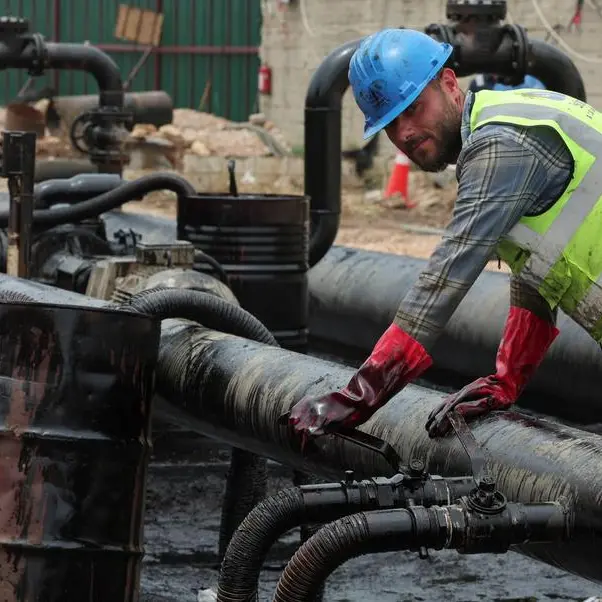
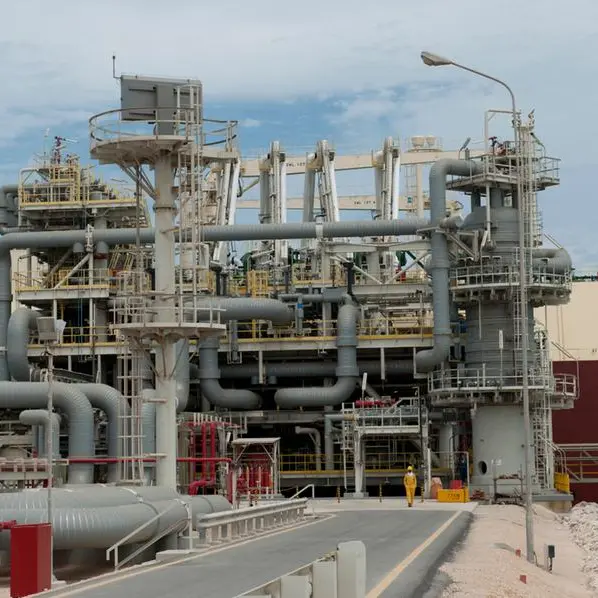
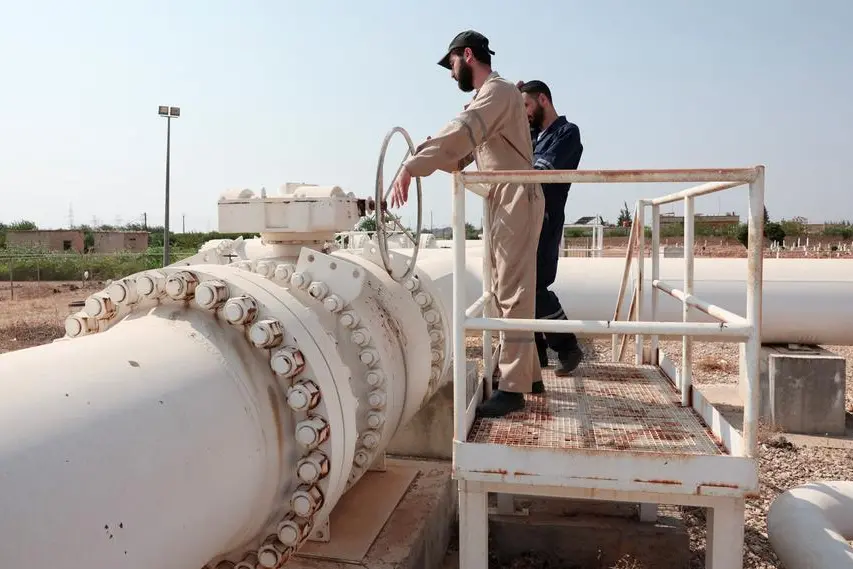
DAMASCUS - The Syrian Petroleum Company, U.S.-based ConocoPhillips (COP.N), and energy firm Novaterra signed a deal in Damascus on Tuesday to develop new gas fields and expand production at existing fields, according to a joint statement. Syria's energy infrastructure was ravaged by the country's nearly 14-year civil war and now produces only a fraction of the electricity it needs.
Domestic natural gas production is estimated to have declined to 3 billion cubic metres in 2023 from 8.7 bcm in 2011. The three companies signed a memorandum of understanding in November to expand cooperation in the gas sector.
Syrian Energy Minister Mohamed al-Bashir said on Tuesday the deal aimed to improve the stability of Syria's electricity network and contribute to the country's economic recovery. He did not say which fields specifically were included. "We were in country a number of decades ago, and this represents the re-entry of our company back into Syria in partnership with NovaTerra," Ryan Lance, Chairman and CEO of ConocoPhillips, said at a news conference in Damascus.
"We hope to grow the gas production in the country, and I hope that that expands beyond that to something even more significant for our company and more significant for the country of Syria," Lance said. ConocoPhillips worked in Syria until about two decades ago. In May, it signed a deal with French oil major TotalEnergies (TTEF.PA), QatarEnergy and the Syrian Petroleum Company to launch a technical review of the offshore Block 3 area near the Syrian coastal city of Latakia.
Alex Macdonald, CEO of Novaterra Energy, told reporters in Damascus the company would be providing "training and providing access to cutting-edge software and technology" to build its operations in Syria.
Syrian President Ahmed al-Sharaa later hosted Lance, Macdonald and Syrian businessman Ayman Asfari, who is listed as a director of Novaterra, at the presidential palace.
The CEO of the Syrian Petroleum Company Youssef Qabalawi said last year that the deal would aim to increase gas output by 4 to 5 million cubic metres per day within a year.
(Reporting by Firas Makdesi, Writing by Maya Gebeily; Editing by Sanjeev Miglani)