PHOTO
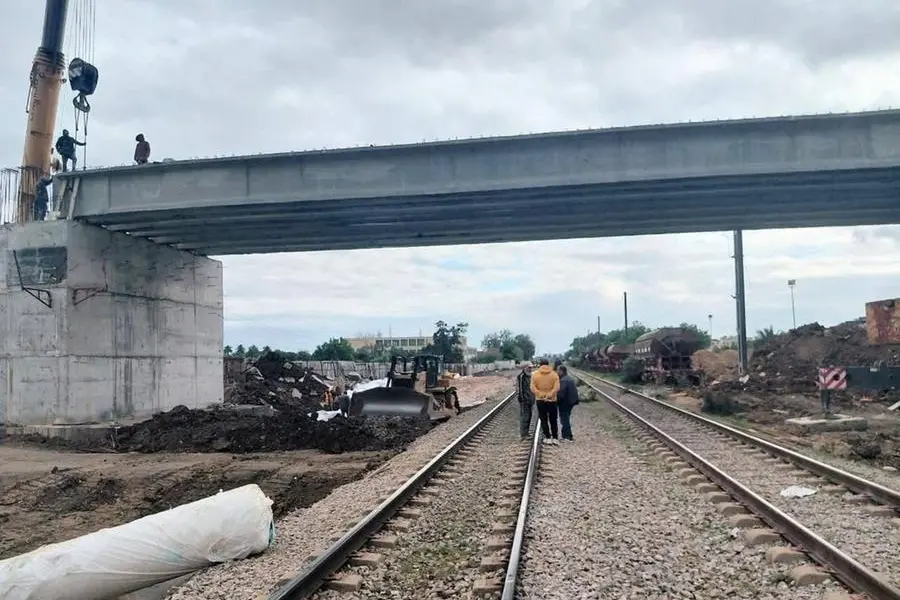
Algeria is accelerating construction of its 422-km Eastern Mining Railway Line designed to transport phosphate from inland mines to export facilities, according to local media reports citing the Ministry of Public Works and Basic Infrastructure.
The Annaba - Soukh Ahras-Tebessa railway will link the Bled El Hadba phosphate mine in Tebessa to processing facilities and the Port of Annaba, forming a key logistics backbone for the country’s Integrated Phosphate Project (PPI).
The reports by Echoroukonline, Dzair Tube and other outlets underlined that work is progressing at an accelerated pace, with round-the-clock construction across multiple sites.
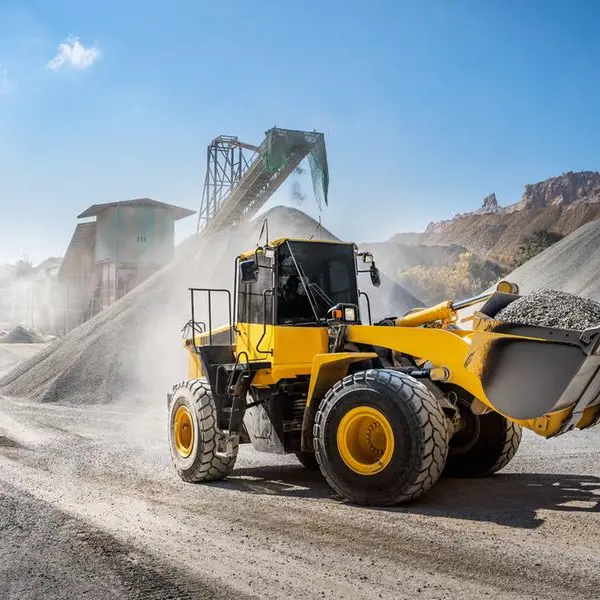
Key activities underway include earthworks, land levelling, tunnel excavation, construction of bridges and crossings, and installation of railway tracks along various sections.
Local contractors including Cosider Travaux Publics, Cosider Ouvrages d’Art, Infrarail, Infraferr, Sero Est, Sapta and GCB have mobilised additional teams and resources, with night shifts introduced to maintain project timelines.
Backbone of $7bln phosphate project
The Eastern Mining Railway forms a critical component of Algeria’s Integrated Phosphate Project (PPI), a flagship mining and industrial programme with an estimated investment of $7 billion, according to Algeria Invest.
PPI spans four eastern provinces - Tebessa, Souk Ahras, Skikda and Annaba - and aims to produce up to 10 million tonnes per annum of raw phosphate and 6 million tonnes per annum of phosphate-based products, positioning Algeria as a major global fertiliser exporter.
It is being developed through a partnership between state-owned Algerian companies - ASMIDAL, a subsidiary of Sonatrach, and Manadjim el Djazair (MANAL), alongside Chinese firms Wuhuan and Tian’an.
The Algeria Invest report had said associated infrastructure investments, estimated at $5–6 billion, include rail upgrades (modernisation and doubling of mining railway line), port expansion and industrial processing facilities.
Eastern Algeria holds an estimated 3 billion tonnes of phosphate reserves, placing the country among the top ten globally.
FEED Contract
In June 2025, Italian engineering services giant Saipem was awarded the FEED (Front End Engineering Design) contract by Sonatrach related to PPI. The scope included design of a new industrial complex, consisting of the phosphate mining infrastructure in the Bled El Hadba area, and process and ancillary units supporting fertiliser production in the Oued Keberit area.
The scope of work also included the upgrading of the Annaba port for the products export and the construction of railway sections connecting the extraction and production facilities to the main railway line.
Annaba port expansion underway
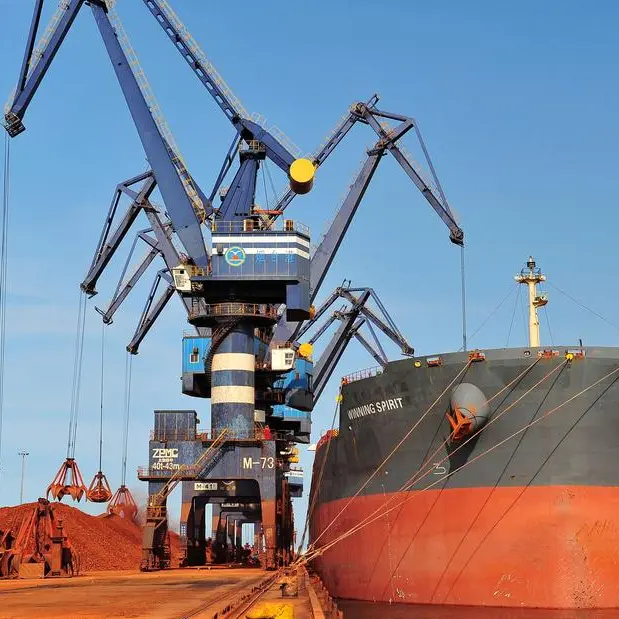
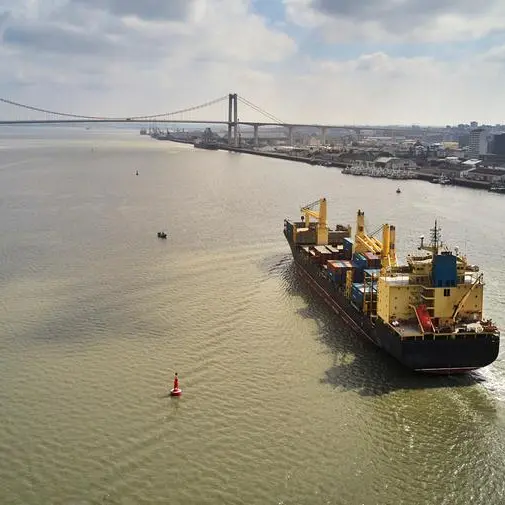
Parallel works are progressing at the Port of Annaba, where a new 1,600-metre mineral quay with a depth of 16 metres is under construction, a February 2026 report by Africa-focussed Ecofin Agency said.
The facility is expected to handle up to 10 million tonnes per year of phosphate and related products transported via the mining railway, the report said, adding ongoing works are expected to be completed by the end of 2026.
Bled El Hadba mine start-up in April
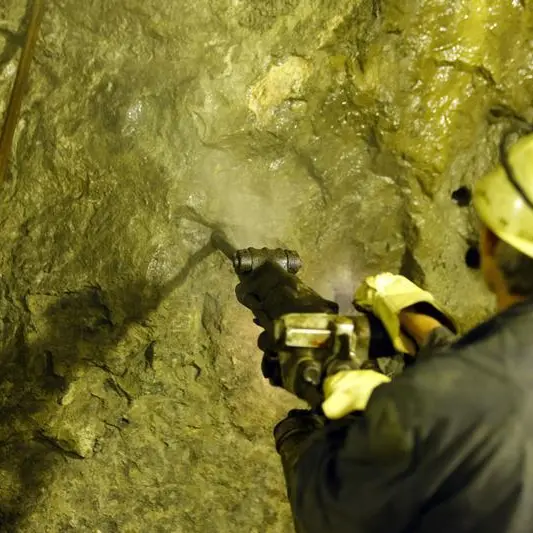
The Bled El Hadba phosphate project, which holds an estimated 840 million tonnes of exploitable reserves, is targeting annual production of 10.5 million tonnes of raw phosphate.
Operations are expected to begin by the end of April 2026, with exports routed through a berth at the Port of Bejaia.
(Writing by Majda Muhsen; Editing by Anoop Menon)
Subscribe to our Projects' PULSE newsletter that brings you trustworthy news, updates and insights on project activities, developments, and partnerships across sectors in the Middle East and Africa.