PHOTO
From predictive analytics to artificial intelligence, digital tools are redefining how facilities management (FM) companies manage buildings and infrastructure. Nowhere is this shift more transformative than in the Middle East, where rapid urban expansion and ambitious sustainability goals are reshaping industry practices.
As a premier industry body for the region's FM industry, the Middle East Facility Management Association (MEFMA) is supporting facility management companies, particularly small and medium-sized enterprises (SMEs), in adapting to an increasingly technology-driven sector.
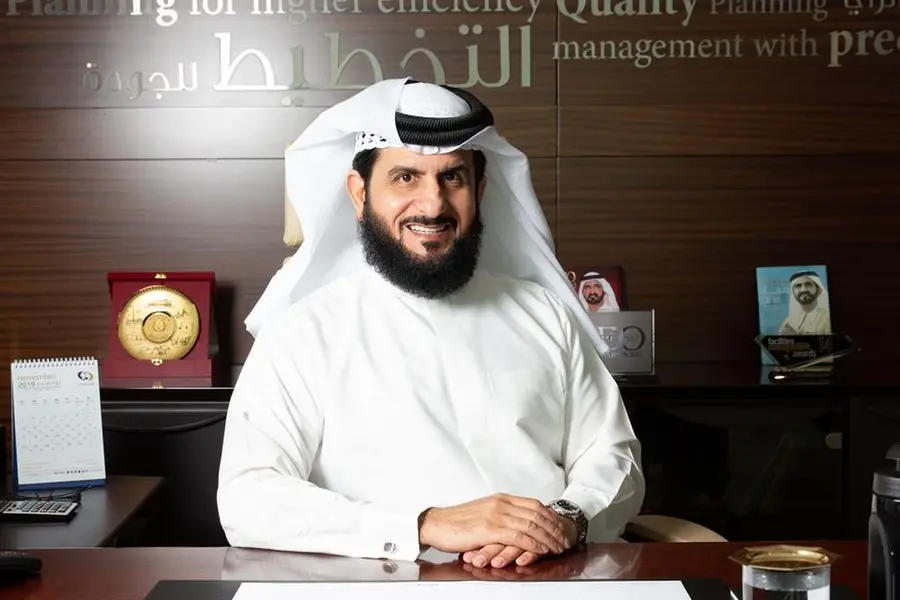
Jamal Lootah, President of MEFMA, said the industry must embrace technology and develop new skillsets to remain competitive in an increasingly data-driven environment.
“Technology is the most transformative force shaping the FM industry in the Middle East. To thrive in this new environment, FM professionals and organizations will need to embrace technology and cultivate new skillsets, including data interpretation, sustainability focused operations, and customer-centric service delivery.”
According to Lootah, advanced technologies such as data analytics, AI, and machine learning are enabling FM professionals to gain deeper insights into facility behaviour, improving both service delivery and operational efficiency.
He added that automation is helping reduce manual, labour-intensive processes, introduce real-time metrics, and raise overall service quality
“As automation becomes more integrated with operational support systems, companies can streamline workflows and reduce inefficiencies,” he said.
MEFMA is actively bridging the gap between cutting-edge technology and practical implementation by connecting its members with technology providers, hosting educational programs, and fostering knowledge exchange.
Lootah said: “Our impact is seen through high-profile conferences, webinars, published case studies that share success stories from across the industry, and strategic partnerships. By setting professional standards and connecting decision-makers, practitioners, and policymakers, we help drive the industry toward a more sustainable, tech-enabled future.”
He said smaller firms gain the knowledge and support needed to navigate digital transformation and compete more effectively through MEFMA’s network, educational programmes, and knowledge-sharing initiatives.
Championing sustainability
The MEFMA president said sustainability is now a central pillar of FM strategies, with service providers playing a key role in achieving national and organisational ESG goals.
“FM service providers are well-positioned to influence everything from energy use and waste management to indoor environmental quality, making the FM industry a key enabler in achieving the region’s broader sustainability ambitions,” Lootah said.
He noted that MEFMA also encourages its members to embed sustainability into their operations, positioning the industry as a driver of climate goals and responsible development.
The organisation also partners with government stakeholders across the region to co-develop policy frameworks that reflect real-world FM challenges while elevating industry standards.
Lootah said engagement with stakeholders is crucial in raising awareness and implementing consistent standards across the region
“Our engagement with government stakeholders helps ensure that policies are aligned with operational realities and global best practices,” he said. “We support our members in translating policies into action through expert consultations and workshops that help maximise their contributions.”
Investment in future talent
To address the global talent gap in the FM industry, MEFMA is actively investing in youth engagement to cultivate emerging talent and shape the next generation of industry leaders.
“We offer free student memberships, collaborate with universities, and host youth-focused events that introduce FM as a purpose-driven, future-forward career. By exposing students to real-world applications and creating clear pathways into the profession, we aim to build a resilient and passionate talent pipeline for the industry,” Lootah concluded.
(Reporting by Dennis Daniel; Editing by Anoop Menon)
(anoop.menon@lseg.com)
Subscribe to our Projects' PULSE newsletter that brings you trustworthy news, updates and insights on project activities, developments, and partnerships across sectors in the Middle East and Africa