PHOTO
Shipments of many essential commodities, apart from oil and gas, from the Gulf Cooperation Council (GCC) have been disrupted following the Iran war, according to a report published by the Centre on Global Energy Policy at Columbia.
The Gulf’s share of world production ranges between 35 percent and 45 percent for urea and 30 percent for ammonia, Robin Mills, CEO at Qamar Energy, wrote in a report.
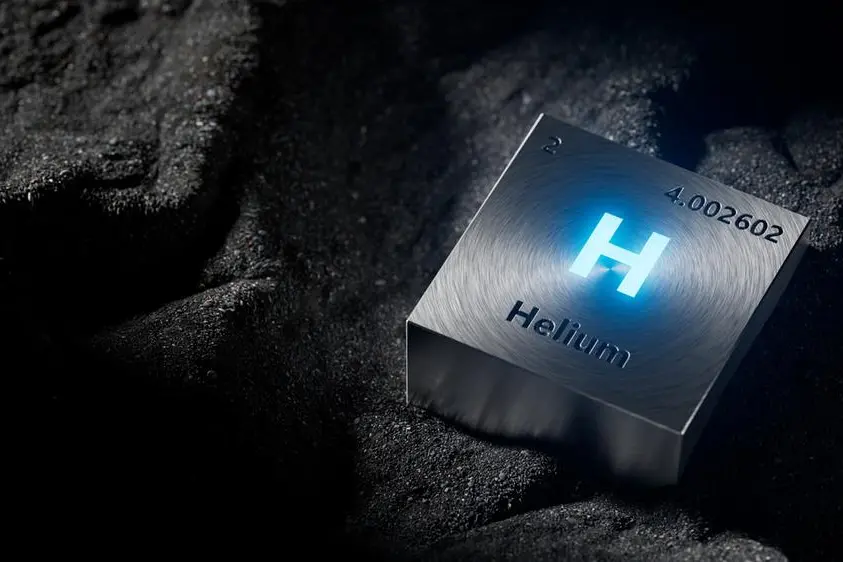
Helium accounts for 38.8 percent of global production, while sulphur accounts for 21.6 percent, and also 45 percent of GCC exports.
Methanol, polyethylene and polypropylene account for 32-35 percent, 15 percent, and 9 percent of global capacity, respectively. Aluminum accounts for 9 percent of world production, while phosphate accounts for 3.9 percent.
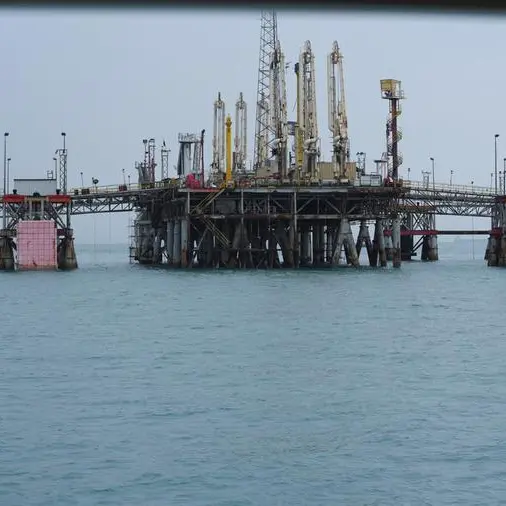
QatarEnergy announced stopping liquefied natural gas (LNG) production at its Ras Laffan complex on March 3 following an Iranian drone attack.
A March 11 drone attack on Salalah shows Oman’s ports are not immune from disruption either, the report said.
Iran is a major supplier of some of these commodities, notably methanol. However, its exports are likely to be disrupted by war-related activities, sanctions, and gas shortages, Mills stated.
(Writing by P Deol; Editing by Anoop Menon)
Subscribe to our Projects' PULSE newsletter that brings you trustworthy news, updates and insights on project activities, developments, and partnerships across sectors in the Middle East and Africa.