PHOTO
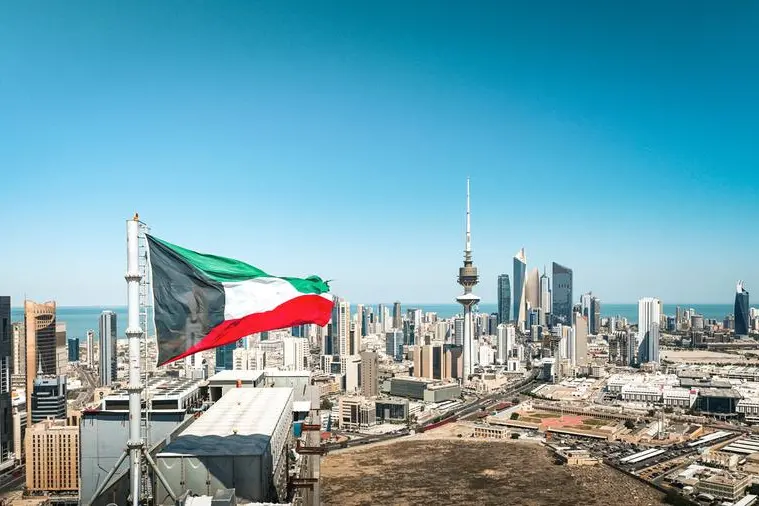
Kuwait’s sizable pipeline of large-scale infrastructure and development is expected to sustain the momentum in project awards, which rose 61 percent year on year in 2025, vice chairman and group chief executive officer of NBK said on Sunday.
Isam Al-Sager said Kuwait awarded more than 4 billion Kuwaiti dinars ($13 billion) worth of projects in 2025 reinforced by the passage of public debt law, which enabled renewed sovereign borrowing and led to the upgrade of the country’s sovereign rating to AA- by S&P Global.
“The outlook continues to be supported by a sizable pipeline of large-scale infrastructure and development projects estimated to be worth more than KWD 11 billion ($36 billion),” Al-Sager said, adding that the government’s pledge to advancing its development agenda, especially in the absence of major political gridlocks, reinforces its commitment to financing Vision 2035 priorities and advancing infrastructure development.
Shaikha Al-Bahar, NBK's deputy group CEO, had said last week that the draft mortgage law has reached advanced stages, in parallel with the rollout of major tenders to develop three new residential cities by the Public Authority for Housing Welfare (PAHW) under a real estate developer model.
“These initiatives will strengthen private-sector participation and expand homeownership options, which should have a positive impact on banks’ loan portfolios,” she said.
In its Economic update for Kuwait issued last week, NBK said PAHW has already launched prequalification for three large-scale residential development projects, signalling a strategic shift toward a long-term supervisory role, with development contracts structured over 30 years.
The designated sites include Al-Mutla (2.12 million square metres), East Sa’ad Al-Abdullah (1.02 million sqm), and West Sa’ad Al-Abdullah and Jaber Al-Ahmad (a combined 1.01 million sqm).
The move follows the introduction of the developer-led model and the appointment of consultants to masterplan the three residential zones exceeding 5,000 housing units.
The report said prospects for Kuwait’s real estate market in 2026 appear positive, supported by potential further monetary easing and a series of legislative reforms, including allowing non-Kuwaitis, including listed companies, licensed funds and investment portfolios, to own property (excluding private residences), the anticipated approval of mortgage law, revisions to allocation mechanisms for units and activation of the residential land monopoly law, aimed at curbing speculative hoarding of undeveloped plots.
(Writing by Dennis Daniel; Editing by Anoop Menon)
Subscribe to our Projects' PULSE newsletter that brings you trustworthy news, updates and insights on project activities, developments, and partnerships across sectors in the Middle East and Africa