PHOTO
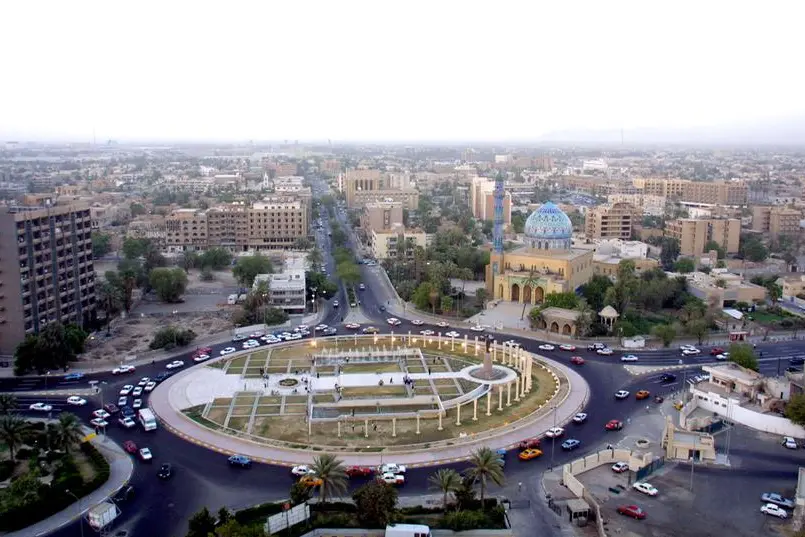
Iraq has entered an active phase of economic transformation under its development programme launched in October 2022, focusing on reducing dependence on oil revenues and expanding partnerships with the private sector, the government’s financial advisor Mudher Mohammed Saleh told Zawya Projects.
Saleh said the development roadmap reflects a “social market economy” model aligned with Iraq Vision 2050 and the Five-Year Development Plan.
“The Iraqi government has embarked on a coordinated path to attract private investments and promote public–private partnership (PPP) projects in key economic sectors,” he said.
Saleh outlined the major initiatives as follows:
Renewable energy: Solar projects in Karbala, Babil, and Basra aim to strengthen local manufacturing and industrial capacity through integrated power and energy systems.
Gas infrastructure: New international partnerships are targeting the capture and utilisation of associated gas to eliminate flaring within two years and expand domestic energy use.
Transport: Railway projects are being developed to connect ports with industrial and production zones under the Development Road project, linking Iraq with the Gulf and Europe.
Industrial initiatives such as green hydrogen production mark Iraq’s entry into advanced, sustainable industrial energy technologies
Saleh said the government is expanding access to soft loans and credit guarantees for small and medium-sized enterprises (SMEs) to boost production, job creation, and private-sector competitiveness.
A key focus of the economic programme, he noted, is improving the business environment by implementing tax and customs reform, anti-corruption measures, and digital governance to improve transparency; banking sector reforms aim to expand access to finance, and investment incentives for agriculture, manufacturing, renewable energy, and digital industries.
Saleh also noted that the government is funding modern irrigation systems, food processing projects, and technology-driven farming initiatives to connect Iraqi producers to regional and global markets.
The Key Performance Indicators (KPIs) used by the government to track progress include non-oil GDP growth, non-oil exports, private-sector employment, SME credit access, and industrial energy capacity, the financial advisor added.
Saleh said Iraq’s reform journey is “long but advancing,” adding that sustained political stability and effective governance are essential to achieving the country’s goals of growth, diversification, and sustainable development.
(Reporting by Majda Muhsen; Editing by Anoop Menon)
Subscribe to our Projects' PULSE newsletter that brings you trustworthy news, updates and insights on project activities, developments, and partnerships across sectors in the Middle East and Africa.