PHOTO
Gensler Middle East, the regional arm of the San Francisco-headquartered global architecture, design, and planning giant, is poised for expansion, with plans to establish up to three new offices over the next three to five years, according to a senior official.
"Historically, we follow clients to open new offices, and we have targeted two to three cities for potential offices, but that is a three-to-five-year long-term strategic plan where we are looking at a variety of offices and sites to see how growth will take place in the Middle East," Todd Pilgreen, Co-Managing Director of Gensler's Middle East office, told Zawya Projects in an exclusive interview, without revealing locations.
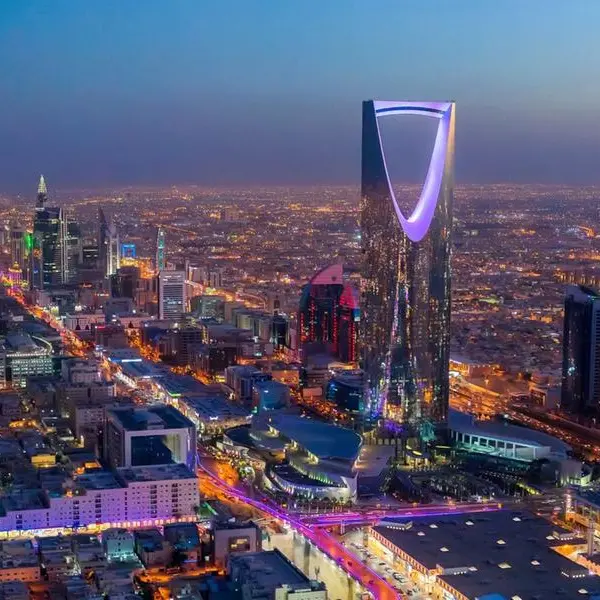
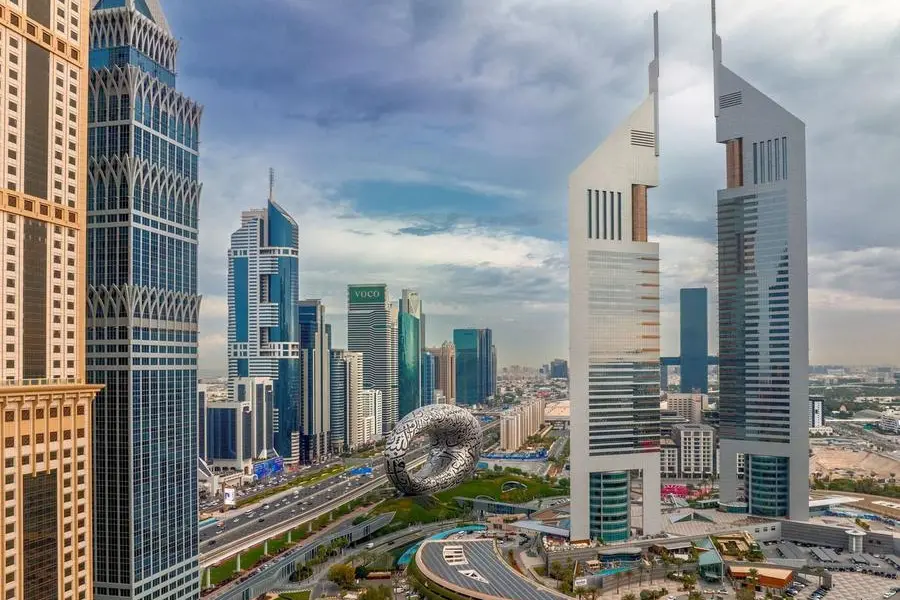
The 6,000-plus global practice has several projects in the Middle East, which is served by its 115-strong team across three offices in the region - the hub office being Dubai, with around 75 employees (20 each in Abu Dhabi and Riyadh).
"From this office, we focus on everything within the UAE, including the work that we do in KSA and some work in Africa,” said Pilgreen, who also wears the hat of APME [Asia Pacific Middle East] Regional Practice Area Leader for Mixed-Use & Retail Centre and Retail & Consumer Experience at the firm
“As a city, Dubai is very interesting, with a high-end and younger vibe and a speed-to-market approach. We are also starting to see the peripheries develop more in the Emirates of Ras Al Khaimah, Sharjah, and Ajman," he added.
In response to increasing demand, the master plan division has established a new city studio, driven by a large project outside Dubai and additional work in Jeddah, he said.
"We've also got a very robust airport group in Dubai, and we are leveraging several of our other offices for projects moving to the next stage, which includes an airport project in the UAE and one in Saudi," said Pilgreen.
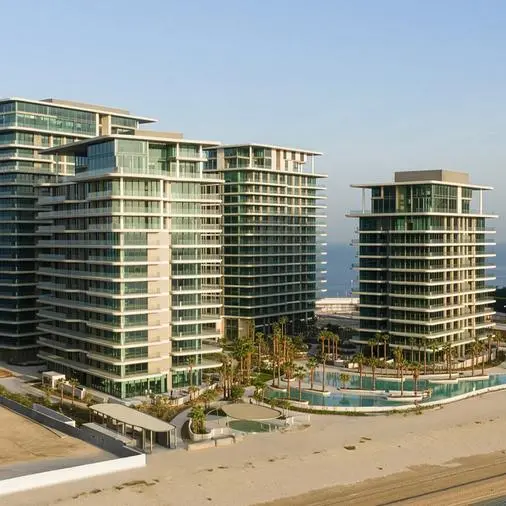
Ongoing and upcoming projects in the UAE include Nikki Beach, a critical infrastructure space in Saudi Arabia, a hospitality project in Khobar, a branded residence in Bahrain, a hospitality and residential project in Sharjah, and a 1.1 billion Saudi riyals ($293 million) leisure and entertainment destination in Saudi Arabia.
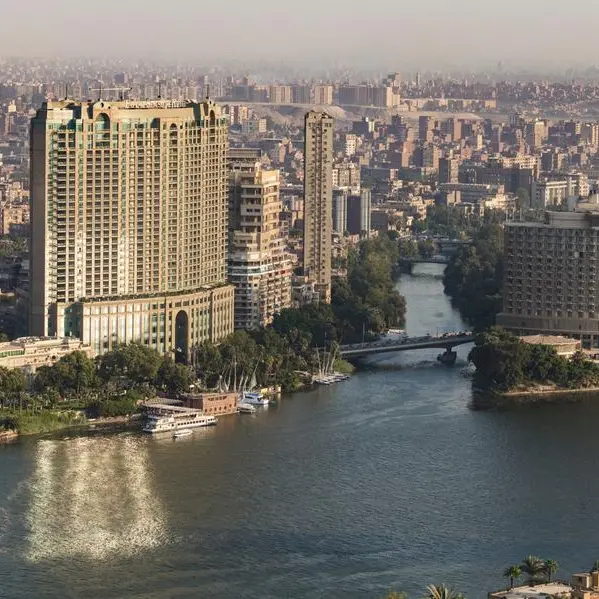
"We are also working on a very large master plan in Ajman for an interesting community-focused project, a large project in Lagos, and another in Cairo," he said.
Meanwhile, the Abu Dhabi office, which also covers India, works more as a political seat, he says, calling it a city with a beautiful cultural aspect.
"We are going to get deeper into the Emirate, and we are looking at some resort opportunities, branded apartments, a mixed-use project, outdoor lifestyle centers, and a lot of planning," he said, adding that the firm is working with every major player in the city without naming projects.
"In Abu Dhabi, our sports practice is working on an exclusive personal sports complex, while our critical facilities team is working on data centres - there is a huge amount of potential in that area, and we are working on at least two to three data centers across the region."
Investing profits into research
As the firm expands its presence in the Middle East, it is not only responding to client demand but also driving innovation in the region through its research initiatives and proprietary AI technology.
"We have an advantage in terms of Gensler's proprietary AI, which drives preliminary early discussions with clients. We can show them how we can help them strategically, which ultimately turns into a project that will spawn another project and then becomes the hub."
The firm's total worldwide revenue for fiscal year 2024 stood at $1.88 billion, and it is reportedly the largest practice in global rankings.
In terms of its design trends forecasts, the practice will be releasing its 2027 book next month, followed by quarterly mini versions on specific topics, he said.
"In this region, we are working right now on the impact of sustainability and nature-cooled types of spaces that people will gather. In fact, through our individual projects, we accumulate data globally, which is then inserted into our design forecast that begins to substantiate a need or a trend or an opportunity," he explains.
For example, a specific design can attract a number of people, leading to increased dwell time, residual spending, and retention. It also substantiates the next step of the research into an actual application, and the firm is a huge believer in investing profits into research.
"Every year, we invest about 18 percent of our profits back into our own research, which is conducted by every office. Through the Gensler Research Institute, we award the best research projects from our offices around the globe that will take the trends to the next level to create an application," he said, adding that the funded outcomes find their way into future projects.
(Reporting by Sona Nambiar; Editing by Anoop Menon)
Subscribe to our Projects' PULSE newsletter that brings you trustworthy news, updates and insights on project activities, developments, and partnerships across sectors in the Middle East and Africa.