PHOTO
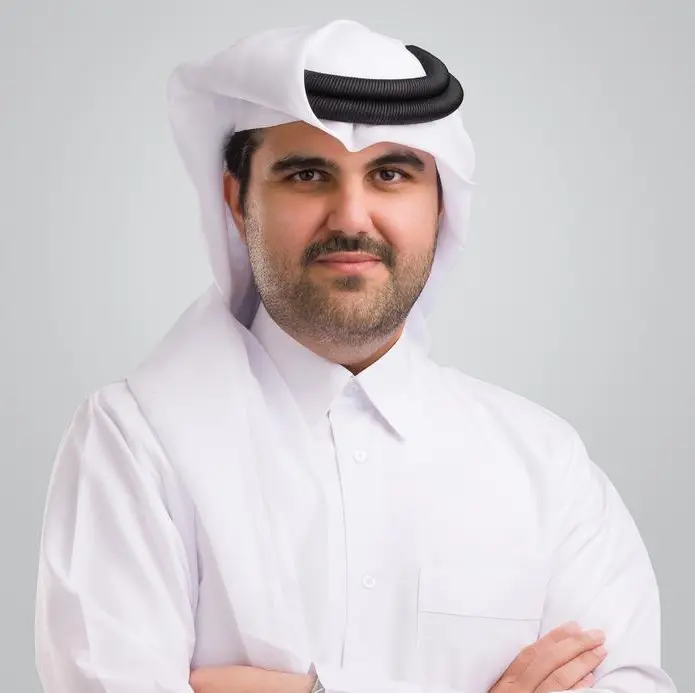
The National Water Center at United Arab Emirates University was set up in 2012 to support research related to water conservation and sustainability in the United Arab Emirates. Here, the center’s new director, Mohsen Sherif, discusses the center’s water conservation plans for the country.
Currently, the UAE’s water supply for domestic water uses is fully secured from the desalination of seawater. Groundwater resources with a salinity level between 800 and 4,000 ppm, meanwhile, are used for irrigation purposes. Additionally, large volumes of surface water runoff in the main wadis are captured through more than 110 dams, and subsequently used to recharge the depleting aquifers and support the natural environment. Furthermore, significant amounts of waste water is tertiary treated and is mostly used in the development forests and green areas around the main cities and along highways. Of the four components, the country’s groundwater resources are facing depletion due to sustained groundwater pumping and over irrigation.
“The first priority will be to develop a comprehensive database using the Geographical Information System for Water Resources in UAE within the National Water Center,” explains Sherif, who first started working in water three decades ago. “This database would form a solid foundation for all future research and projects related to water resources development and sustainability in the country. In collaboration with other concerned authorities, the center will also investigate the possibility of recharging the groundwater resources in the country to develop strategic freshwater reserves that would meet the demands during times of emergency where desalination plants might not be fully operational.”
The other area which is also of specific interest for the center is in the area of desalination and treated wasted water. Currently the treated waste water is used partially – for gardens, forest, irrigation of green areas – and not fully utilized. In desalination, the center will try to address issues related to increasing efficiency and reducing cost of the desalination. “So we will explore how we can reduce the cost at the same time enhance the efficiency,” adds Sherif.
Another focus area for the Al Ain-based center is surface water. “Which might be generated from the flash floods that appear during the rainy season,” explains Sherif. “When the rain comes it is really heavy in most cases and there is a lot of water that is generated from flash floods that could be utilized. This water should be assessed; and we would like to investigate the possibility of using this water in recharging the groundwater resource.
“Of course water is defined as one of the priority areas in the UAE Vision 2021 National Agenda; it is of strategic importance to the country. This is why the center was established and our aim is to address the problems related to the water resources in the country.”
Sherif doesn’t work alone. He is quick to point out that the UAEU and its faculty has worked – and continues to work – on some of the most groundbreaking water-related projects to come out of the region.
“Within the university you have 50 PhD holders qualified to work in the different issues related to water resources in the country,” explains the professor. “The center will also establish strong collaboration with all concerned water authorities in the country including, but not limited to, Abu Dhabi Environmental Agency, Ministry of Energy, National Center of Meteorology & Seismology (NCMS), Abu Dhabi Water and Electricity Authority (ADWEA), Abu Dhabi Water and Electricity Company (ADWEC), Abu Dhabi and Al Ain Municipalities, Dubai Electricity and Water Authority, Sharjah Electricity and Water Authority and others. So I believe that this center will make a very good contribution to the country because already the records of the university in the area of water resources are very good and we have very good faculty and, of course, the labs and resources that are available in the university.”
Two projects he is particularly proud of include the development of the first groundwater atlas in the country and the assessment of groundwater recharge through dams, which were compiled in collaboration with the Ministry of Environment and Water (currently, Ministry of Climate Change and Environment).
“All of our studies are meant to conserve and sustain the water resources in the country. And that is very important to ensure the sustainability of the current development activities in the different sectors at the country level. This would also ensure the availability of water resources for the future generations.
Looking beyond 2016, and Sherif simply says this: “We hope to be recognized at the international level. Of course in the past the center has done some great work but now it is time to move to the international level, especially with the GCC countries. The United Arab Emirates University is providing all the needed support and resources to develop the center further. I’m confident that we will be able to improve the water resources situation through innovative techniques and methodologies. I think we have the resources and the desire to address the imminent issues related to water resources at UAE, GCC countries, and worldwide.”
For further information contact:
Jean O’ Neill, Communications & Marketing Manager
Tel: +971 (0)3 713 5906
Email: jean@uaeu.ac.ae
© Press Release 2016