PHOTO
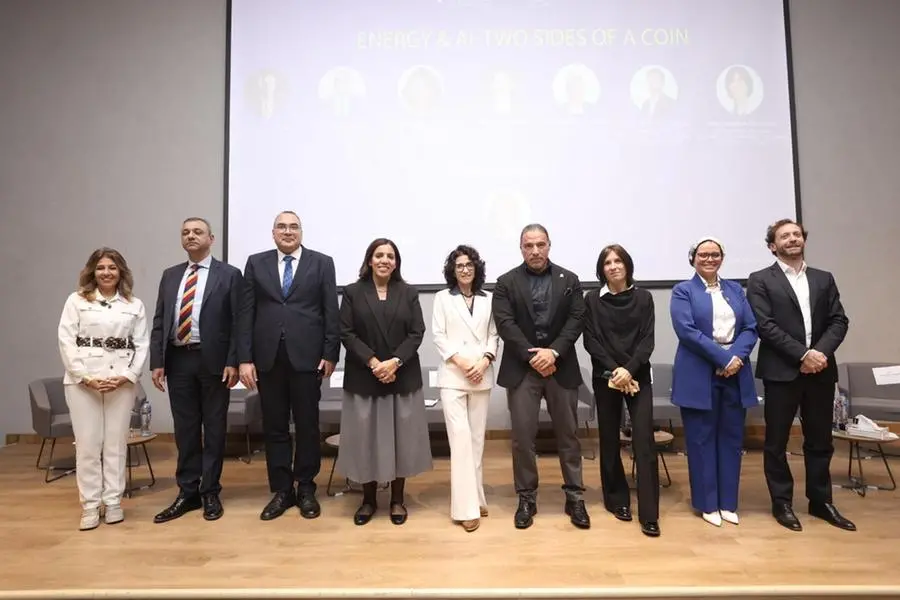
Cairo – As part of its commitment to strengthening the integration between technology and energy, and exploring the prospects of digital transformation and its growing role in developing vital sectors, Elsewedy University of Technology (SUTech) - Polytechnic of Egypt organized a panel discussion titled: “AI & Energy: Two Sides of the Same Coin?” on its campus. The discussion brought together leading voices and experts from Energy Field, Technology Field and Academia to explore the opportunities that artificial intelligence offers in improving the efficiency of the energy ecosystem, and how to maintain a sustainable balance between innovation, rising energy demands of new technologies, and a well-prepared human capital.
The panel featured several prominent speakers, including: Prof. Dr. Ahmed Hassan Yousef, President of Elsewedy University of Technology (SUTech) - Polytechnic of Egypt, Prof. Emanuela Colombo, Rector's Delegate to Science Diplomacy | UNESCO Chair “Energy for Sustainable Development”, Prof. Riccardo Mereu, PhD, Associate Professor in Thermal Engineering & Industrial Energy Systems |Co-Holder of the UNESCO Chair in “Energy for Sustainable Development”, Prof. Daniela Casiraghi, Instructional Designer and Senior Project Manager at Politecnico di Milano, Eng. Wael Hamdy, VP of Elsewedy Electric, Dr. Hazem Shatila, Chief AI Officer of Elsewedy Electric, and Dr. Manal Soliman, Training and Development General Manager at ENPPI.
During the session, Prof. Dr. Ahmed Hassan Yousef, President of Elsewedy University of Technology (SUTech) - Polytechnic of Egypt, affirmed that artificial intelligence is no longer just an academic subject, but has become ‘the primary language of learning and the philosophy of education’ at the university. He stated: “We believe that artificial intelligence represents the future of education and work. At Elsewedy University of Technology (SUTech), we integrate AI tools across all our programs—from energy and technology to sustainability—with the aim of preparing our students for a rapidly changing future. Each year, we graduate students who are qualified to join fast-evolving, AI-driven sectors such as energy, environment, and computing, and we strive for them to become digital pioneers capable of adapting to diverse work environments.”
Dr. Ahmed Youssef added, stressing the importance of collaboration between universities and the private sector in achieving national objectives, saying: “Collaboration between higher education institutions and the private sector is essential to achieving Egypt’s agenda for developing digital pioneers. Effective learning can only be realized through practical application, and it is important for companies to be true partners in training students and providing real field opportunities that enable them to acquire the expertise needed in the job market.”
For her part, Prof. Emanuela Colombo, Rector’s Delegate to Science Diplomacy | UNESCO Chair “Energy for Sustainable Development” stated: “Collaboration with Elsewedy University of Technology (SUTech) is a natural step for us at Politecnico di Milano, given the university’s pioneering educational vision of integrating artificial intelligence into the energy sector. Its innovative and practical learning model enables students to acquire the skills needed to navigate future changes in this vital field. Our professors train the university’s faculty members through the ‘Training of Trainers’ (ToT) program in the field of energy engineering technology, with participation from leading professors on both sides, with the aim of strengthening faculty capabilities and updating curricula in line with the latest global trends in energy efficiency, system modelling, and sustainability strategies.”
Meanwhile, Prof. Riccardo Mereu, PhD – Associate Professor in Thermal Engineering & Industrial Energy Systems | Co-Holder of the UNESCO Chair in Energy for Sustainable Development, stated: “I believe that artificial intelligence will reshape the future of education and research in the energy sector by enabling students to acquire advanced skills that align with evolving market needs and the ongoing pace of innovation. As the role of AI grows in the development of energy solutions, it is essential for academic institutions to consider the ethical, social, and political dimensions to ensure the responsible and equitable integration of these technologies in a way that enhances sustainability and serves society as a whole.”
It is worth noting that this panel discussion comes as part of the continuous efforts of Elsewedy University of Technology (SUTech) to strengthen the connection between applied education and industry in the fields of technology and energy, and to bridge the gap between the capabilities of new graduates and the needs of the industrial labor market.
About Elsewedy University of Technology (SUTech) - Polytechnic of Egypt -:
ELSEWEDY UNIVERSITY OF TECHNOLOGY (SUTech), the first Polytechnic University in Egypt, located on the Cairo–Ismailia Desert Road, that offers a 4-year bachelor’s degree in Engineering Technology (B. Tech) in an integrated set of practical and theoretical learning that is in line with the market needs.
Pursuing the international polytechnic educational model of “SUTech”- Polytechnic of Egypt shall provide students with practical skills, industry partnerships, and employability advancement. Graduates have advanced job prospects as they are sought after by employers due to their practical skills and industry experience.
SUTech - Polytechnic of Egypt- provides education in more than 15 accredited programs that are developed in consultation with industry leaders. SUTech- Polytechnic of Egypt- applies practical education in laboratories, workshops, training, and internships to the theoretical studies that allow graduates to immediately join the local and global labor force.
Through its collaboration with the Indian Amity University Dubai branch, SUT -Polytechnic of Egypt- will be pioneering Higher Education in Egypt with the leading Worldwide Indian model.