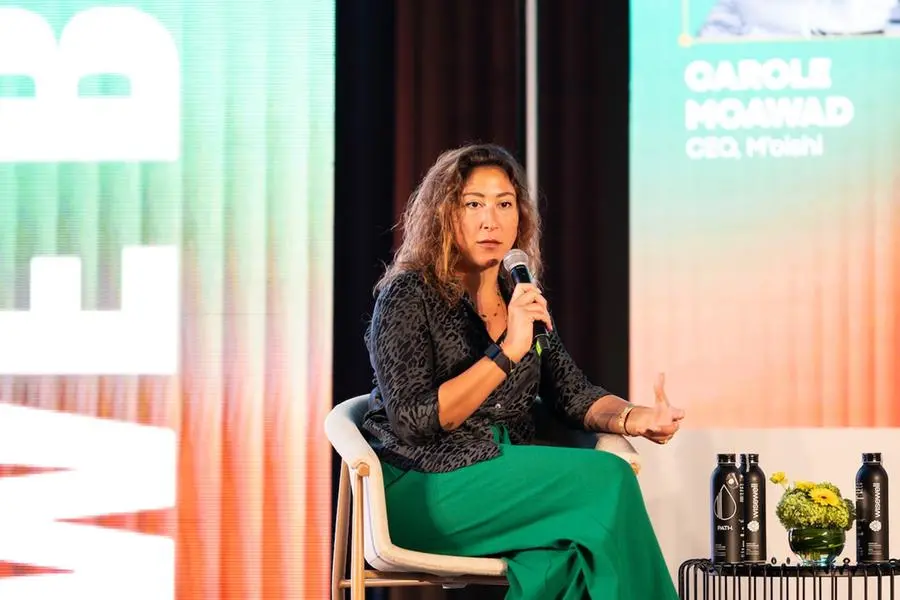
PHOTO
- Carole Moawad: A strong brand today is not defined by how long it has existed, but by how quickly it learns.
- Gabriela Chamorro: Technology should make operations smarter, not hospitality colder.
- Dani Chakour: We analyze feedback and thousands of images from our restaurants every day to ensure consistency.
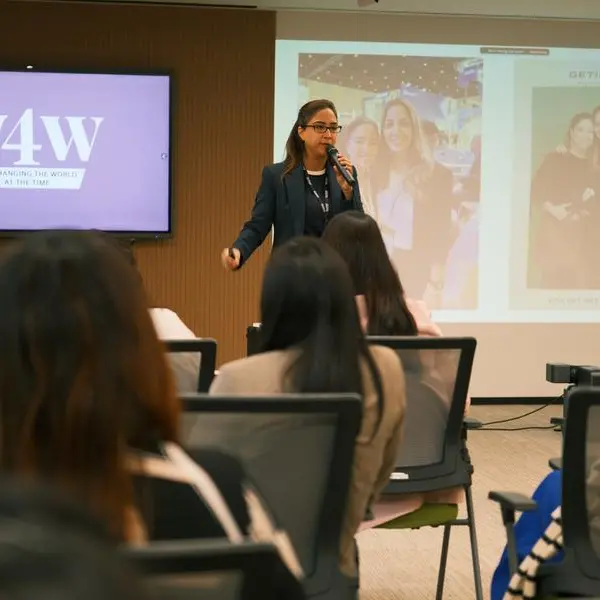
Sharjah: Food entrepreneurs at the ninth edition of the Sharjah Entrepreneurship Festival (SEF 2026) have called for a new approach to hospitality that balances data intelligence with cultural storytelling and human connection, arguing that long-term competitiveness in the region’s food and beverage sector depends on preserving authenticity while modernizing operations.
The discussion took place during the session “Staying Ahead & Innovating in F&B”, moderated by Manar Alkassar, co-founder of KASO, and brought together founders behind some of the region’s most recognized food brands. Speakers reflected on how technology, heritage, and operational discipline are reshaping how hospitality businesses grow and scale from the UAE.
Organized by the Sharjah Entrepreneurship Center (Sheraa), SEF 2026 convened more than 14,000 attendees, including over 5,000 founders and more than 300 speakers, across 250 sessions and activities at the Sharjah Research, Technology and Innovation Park (SPARK), positioning entrepreneurship as both an economic and cultural driver.
Carole Moawad, co-founder and CEO of M’OISHÏ, traced the brand’s journey from a home-based experiment introducing mochi ice cream in 2017 to a multi-channel business spanning retail, supermarkets, and export markets. She emphasized that scaling was driven not by speed alone, but by building a technology backbone that connects point-of-sale systems, loyalty programs, social platforms, and backend operations into a single data ecosystem.
“A strong brand today is not defined by how long it has existed, but by how quickly it learns,” Moawad said. “When your infrastructure is truly tech-enabled, you understand customer behavior in real time and can adapt before trends move on.”
Gabriela Chamorro, co-founder and executive chef of Girl & the Goose, shared how her Dubai apartment supper club evolved into a full restaurant spotlighting Central and Mesoamerican cuisine. Raised in Nicaragua, Chamorro described food as a tool for community-building long before it became a business.
“Innovation is cultural,” she said. “You can automate a process, but you cannot automate a feeling. Technology should make operations smarter, not hospitality colder.”
Dani Chakour, founder and CEO of Em Sherif Group, outlined how the family-run Lebanese restaurant expanded into an international hospitality group by pairing culinary heritage with disciplined operational systems. Drawing on his background in telecommunications and technology, Chakour explained how data and process control were used to scale without compromising identity.
“We analyze feedback and thousands of images from our restaurants every day to ensure consistency,” he said. “We protect the soul of Lebanese cuisine while giving guests the option to elevate their experience.”
Across the session, speakers converged on a shared view: technology should strengthen decision-making and efficiency, but hospitality brands ultimately grow through trust, memory, and cultural relevance.
Food, heritage, and sustainability
SEF 2026 also explored food entrepreneurship through hands-on cultural experiences. In The Art of Warak, Palestinian chef and founder of Haya’s Kitchen, Haya Bishouty, led a vine leaf rolling workshop that reconnected participants with communal food traditions rooted in patience and collaboration.
Describing the practice as “Warak Therapy,” Bishouty highlighted the concept of nafas—the soul placed into food through hand preparation—as central to traditional cooking. Participants prepared vine leaves to take home, extending the shared experience beyond the Festival.
Sustainable food innovation featured in Chocolate Crafting with Co Chocolat, led by founders Iman and Abdulrahman Suguitan. Visitors learned how the UAE-grown brand produces chocolate with reduced sugar, no palm oil, and superfood ingredients, while supporting cacao farmers in Mindanao, Philippines. The founders also showcased The Giving Tree installation at SEF 2026, symbolizing responsible production and conscious consumption.
Together, the sessions reflected SEF 2026’s broader theme, Where We Belong, underscoring how food entrepreneurship continues to evolve at the intersection of innovation, culture, and sustainable economic growth.
For more information, visit sharjahef.com.