PHOTO
- By 2028 - it is forecast that 1.5 million travellers will choose luxury cruise
- Nearly 90% of people who have cruised once, will cruise again
- Saudi aiming to create 50,000 jobs in cruise sector and 10 ports in Red Sea
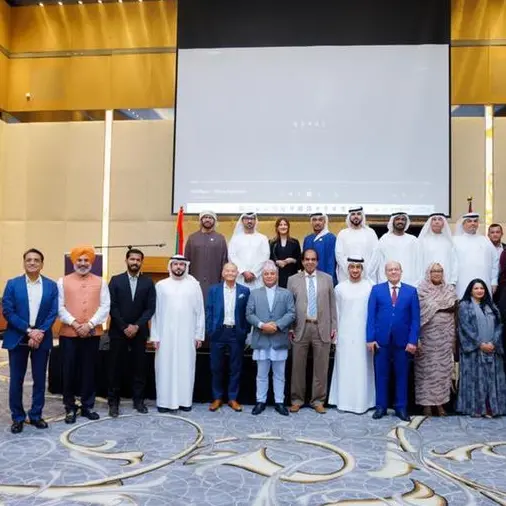
Dubai, United Arab Emirates – The inaugural Connections Cruise Arabia Leadership Summit took place in Dubai onboard the iconic Queen Elizabeth 2 at Port Rashid. The exclusive, invitation-only event welcomed close to 200 senior travel and cruise professionals, including global executives, government stakeholders and leading travel agents who are shaping the future of cruise tourism in the GCC region and beyond. Representatives from Emirates Airline, Dubai Department of Economy and Tourism, Cruise Saudi, Celestyal, Ponant and other industry powerhouses attended, to chart the future of cruise tourism.
Matthew Scott, Emirates’ Senior Vice President, Network Passenger Sales Development (NPSD) said: “Emirates’ participation in Connections Cruise Arabia 2025 reflects our commitment to Dubai and the wider region’s cruise future. We hope today’s engaging discussions and insights will unlock the strategic growth initiatives and potential Emirates has been helping to build. Emirates has been a key contributor to Dubai's emergence as a premier cruise destination. Our partnerships with a growing number of cruise operators, and continued collaboration with local stakeholders to further develop the city’s infrastructure and create more seamless air-sea experiences, is accelerating Dubai’s trajectory as a maritime tourism hub.”
Clive Jacobs, Founder and Chairman of Jacobs Media, the organisers of the event commented: “Connections Cruise Arabia is an exciting platform to drive growth in one of the most innovative and ambitious travel sectors. Together we have an opportunity to position this region as an epicentre for cruise tourism, that can redefine the sector. The future of cruising in the Gulf is gaining significant momentum and this event is just the starting point of what’s to come.”
The event unveiled the Cruise Insight Report – a comprehensive, data-led analysis of global cruise trends and the region’s emerging position as a global cruise hub.
The report revealed that the average cruise passenger is now 46 years old, with 36% under the age of 40. Younger travellers, in particular, are driving demand for expedition and exploration voyages. Between 2023 and 2024, passenger numbers in this niche rose by 22%. The first purpose-built exploration cruise ship entered service only a decade ago, but there are now around 40 such vessels in operation, and global expedition capacity is forecast to grow by 150% between 2019 and 2029.
The global luxury cruise fleet has more than tripled since 2010, rising from 28 ships to almost 100 in 2023. By 2028, it is forecast that 1.5 million travellers will choose a luxury cruise.
During a panel session entitled: ‘Why a Middle East Cruise Hub Makes Sense’, industry leaders examined the unique advantages and opportunities that make the Middle East an ideal hub for cruise tourism.
Angelo Cappuro, Global Executive Director at MSC Cruises Exploration, highlighted that value for money is a big factor for people that is driving growth. The fact that people can visit several places during cruise trips is also an important driver. He explained how people enjoy cruising as a way of learning and understanding destinations in a unique way.
Dr. Megan Clampitt, Global Head of Science and Program Development at Ponant added that the company is offering experiences for people to learn more about sustainability and conservation. There has been an increase in more engagement with local communities so that people get a deeper understanding of cultures.
Anna Gregori, VP of Brand, PR and Customer Experience at Celestyal emphasised that her organisation has big ambitions to make the Middle East a hub. Celestyal is a destination immersive cruise line, offering short cruises as well as opportunities for people to experiences places for longer periods. People choose to cruise because it’s experience rich and hassle light.
Mashoor Baeshen, Executive Director of Commercial and Business Development – Cruise Saudi – added that cruise tourism is a major focus for Saudi Arabia, helping to create thousands of jobs and contribute to the economy.
The Summit served as a launchpad for an expanded forum in 2026. The two-day gathering will introduce a new to cruise platform and bring together senior cruise leaders, suppliers and travel agents for pre-scheduled one-to-one meetings, keynote sessions, panel discussions and networking opportunities in the pioneering ‘Connections Way’. The event will further connect the global cruise industry with the Gulf’s key decision-makers, strengthening the region’s position as a leading hub for cruise tourism.
The event is supported by leading cruise lines including Azamara, Celebrity Cruises, Celestyal Cruises, MSC Cruises, Norwegian Cruise Line, Royal Caribbean, Silversea and Transcend Cruises. Cruise Lines International Association (CLIA), the leading trade association representing the global cruise industry, also participated in the event.
Executive summary
1. Market growth and demographics
- Cruise tourism is booming globally and in the Middle East.
- By 2028, ocean-going cruisers are forecast to reach 42 million, up from 34.6 million in 2024.
- The average cruise duration is seven days, and the average passenger age has dropped to 46, showing increased popularity among younger travellers.
- The sector supports 1.6 million jobs, with 75 percent onshore, and contributed US$85.6 billion to global GDP in 2023.
2. The Middle East as a cruise hub
- The Gulf is emerging as a major cruise destination, especially from November to March.
- Dubai is central, welcoming 187 ships and 280,000 passengers in 2024.
- The region benefits from the new GCC Grand Tours Visa, allowing multi-country travel on a single visa.
- Investments in infrastructure and accessibility are making the Gulf competitive with traditional winter cruise destinations like the Caribbean.
3. Regional highlights and developments
- Dubai has been named the world’s safest cruise stopover, offering over 3,000 tourist activities and excellent medical facilities.
- Saudi Arabia is developing port destinations and its own cruise line, Aroya Cruises, aiming for 1.33 million passengers by 2037. New private island destinations and regulatory frameworks focus on sustainability and service quality.
- Qatar, Bahrain, Oman and Abu Dhabi are all expanding cruise offerings, with new itineraries, homeports and record passenger numbers.
4. Cruise line strategies and trends
- Major brands including NCL, Azamara, Royal Caribbean, Celebrity, Silversea and Crystal are investing heavily in the Gulf.
- Challenges include last-minute bookings, visa barriers and educating new cruisers.
- Cruise lines are responding with localised campaigns, trade education and innovative onboard experiences.
- There is strong demand from the UAE, Saudi Arabia and Kuwait, especially among high-value family groups and luxury travellers.
5. Changing passenger preferences
- Younger travellers and families are driving growth.
- Thirty-six percent of cruisers are under 40, with solo travel and multi-generational cruising on the rise.
- Luxury cruising is booming, with the fleet tripling since 2010.
- Expedition and exploration cruises are up 22 percent year-on-year.
- Thirty-one percent of bookings are from new-to-cruise passengers, and 82 percent of existing passengers plan to cruise again.
6. Industry events and collaboration
- Connections Cruise Arabia 2026 will be a major industry event to foster collaboration, education and growth, bringing together 300 senior executives from across the cruise ecosystem.
- The focus will be on sustainability, innovation, luxury, infrastructure and new-to-cruise training. The Gulf is positioned as a strategic hub for global cruise tourism.
Key data points
- Dubai (2024): 280,000 cruise passengers, 187 ship visits.
- Saudi Arabia: 1,800km Red Sea coastline, over 1,000 islands, 1.33 million passenger target by 2037.
- Qatar (2024/25): 360,000 cruise passengers, 87 ship calls.
- Bahrain (2024): 34 cruise ships, 100,000 visitors.
- Asia and Oceania: 4.03 million cruise passengers in 2024, 9.8 percent year-on-year growth.
Trends shaping the sector
- Premium experiences, longer itineraries, immersive shore excursions and innovative onboard entertainment are in high demand.
- Fleet innovation is a major driver, with new ships and expanded offerings.
- Early booking is encouraged to secure preferred options and pricing, especially for peak seasons.
- Sustainability and authentic cultural experiences are increasingly important to travellers and cruise lines.
Read the report here - https://connectingtravel.com/news/download-the-2025-cruise-insight-report
Press contact
Sarah Hunter
sarah@weareconnections.com
About Jacobs Media
Jacobs Media is the definitive platform for the travel and hospitality industries, shaping conversations and driving progress for over 15 years. With Headquarters in Dubai and London, Jacobs Media’s expanding international division spans five continents with nine leading brands – including Travel Weekly, Connecting Travel and The Caterer – and organises more than 160 global events annually. Find out more at jacobsmediagroup.com
About Connections
Connections is the international private community for trusted decision-makers in travel, and forms part of Jacobs Media, the global voice for the travel and hospitality industries. Connections events bring together the industry’s most respected travel agents and suppliers throughout the year, in destinations across the world, through the pioneering ‘Connections Way’ – a proven series of proprietary methodologies and approaches designed to create long-lasting business relationships. Find out more at connectionscruise.com