11% growth in Dubai's re-exports of cars and buses in the past year
Japan is the largest exporter of cars to Dubai during the last six years
Iraq, Iran, Libya and Saudi Arabia, the biggest market for Dubai's re-exports of cars in the last six years
Dubai, UAE: A recent Dubai Chamber of Commerce and Industry study on Dubai's automobile industry indicates that during the 2010 recovery phase, imports of motor vehicles rose to AED 20 billion, or by 33%, while re-exports recorded a growth of 11%, back to the 2008 pre-crisis level of AED 9 billion.
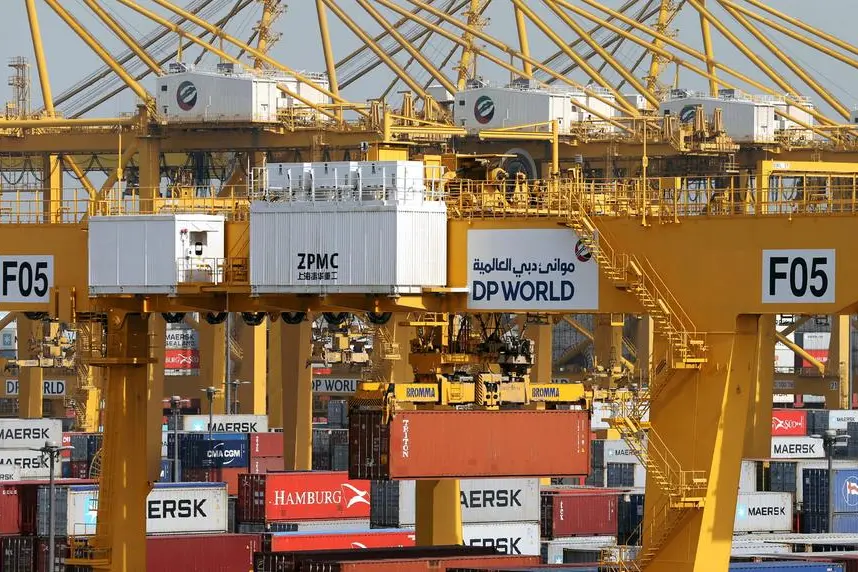
Being a major trade hub for transport equipment in the region, Dubai imported cars and buses valued at AED 124 billion, while its re-exports of the same products amounted to AED 14 billion during the six-year survey period from 2005 to 2010.
Highlighting Dubai's re-export of cars and buses the study found that during the six-year period, total re-exports to Iraq, Iran, Libya and Saudi Arabia amounted to AED 18 billion or 41% of the total re-exports to the MENA region, which is the largest market for the Emirate.
Recoveries noted in imports from major sources
Japan is the largest supplier of Dubai's imports of cars and buses as the country supplied 44% of the total during the six-year period from 2005 to 2010. Imports from the US contributed 17%; Germany 13%; South Korea 8% and the UK 6%. Together, the five countries supplied 87% of the total inflow of these vehicles into Dubai.
Fig. 2 shows the spike in imports from these major countries in 2007 and 2008, with Japan being the greatest contributor in those two years as imports from the country accounted for 47% and 45% of the respective annual totals. A 63% drop in 2009 also pulled down the market share by 39% to AED 6 billion. Although the highest rate of decline was actually recorded for imports from the UK at 68%, the net effect to the total was relatively much lower.
Recovery in imports from the major sources in 2010 was clearly defined, except in Germany, where the level of imports remained comparable to the previous year. The largest growth of 72% was registered in imports from South Korea, while imports from Japan recovered by 39%, the US by 19%, and the UK by 46%.
Re-export trends to major MENA markets vary
While analysing the Emirate's re-export trends to major MENA markets, the study highlighted the substantial growth during the surveyed six-year period. Fig. 3 shows Iraq to be Dubai's largest re-export market for cars and buses, with value continuously increasing after a slight dip in 2006. In 2008, the total value of re-exports to the country surged by 155% over the year 2007 value. It was followed by continuous growth even during the height of the global crisis in 2009.
The re-export of cars and buses to Iran followed the trend noted for total imports, with the value increasing up to 2008, followed by a significant drop in 2009 and a recovery in 2010. However, the most recent year's record still dropped behind the levels noted in 2006.
On the other hand, the trend of re-exports to Libya was very different from the expected trend. The value dropped significantly in 2007, followed by continuous growth that peaked in 2009. The value, however, dropped again in 2010. The recent unrest in the country is expected to pull the figure down significantly in 2011.
Until 2008, re-exports of cars and buses to Saudi Arabia was relatively low but growing at positive rates. In 2009, however, a 244% growth was noted to almost a billion dirhams. A 20% downturn followed in 2010.
Dubai's imports posted a growth of 42% in 2007 to AED 24 billion, which was surpassed in 2008 with a growth of 53% to AED 36 billion. It was during these two years that hundreds of large ultra-modern buses were introduced to Dubai. Additionally, domestic demand for private vehicles moved up with rising disposable incomes as the Emirate's economy shifted to high gear.
Meanwhile, annual imports and re-exports, shown in Fig. 1, reflected the rise in imports of the commodities in 2007 and 2008, greatly outpacing re-exports which had remained stable. During this period, the Emirate experienced unprecedented growth, spurred by the then booming construction and real estate sectors.
At the height of the global financial crisis in 2009, imports of the products dropped by 58% to AED 15 billion. However, impact on re-export was relatively less, with the value posting only an 11% decline to AED 8 billion.
Recent monthly statistics point to slow growth
According to the report, local demand for cars and buses fell significantly following the financial downturn that led to liquidity problems on the back of stringent bank loan policies. Recent import statistics from major suppliers of cars and buses, presented in Fig. 4, show generally flat trends from January 2010 to January 2011.
Despite some deviations, a slightly rising trend could be noted in imports from Japan until January 2011. However, the major earthquake that hit the country and slowed down production has led to a significant drop in the country's exports of vehicles in March. This situation is expected to narrow down Dubai's imports of the products from the country.
Though at generally lower levels, the same trend could be noted in imports from the other major suppliers during the 13-month period. With imports from Japan expected to go down in the succeeding months, a shift to the other countries could lead to increases, though these are still expected to be at modest rates.
-Ends-
Established in 1965, the Dubai Chamber of Commerce and Industry is a non-profit public entity, whose mission is to represent, support and protect the interests of the business community in Dubai by creating a favorable business environment, supporting the development of business, and by promoting Dubai as an international business hub.


© Press Release 2011