PHOTO
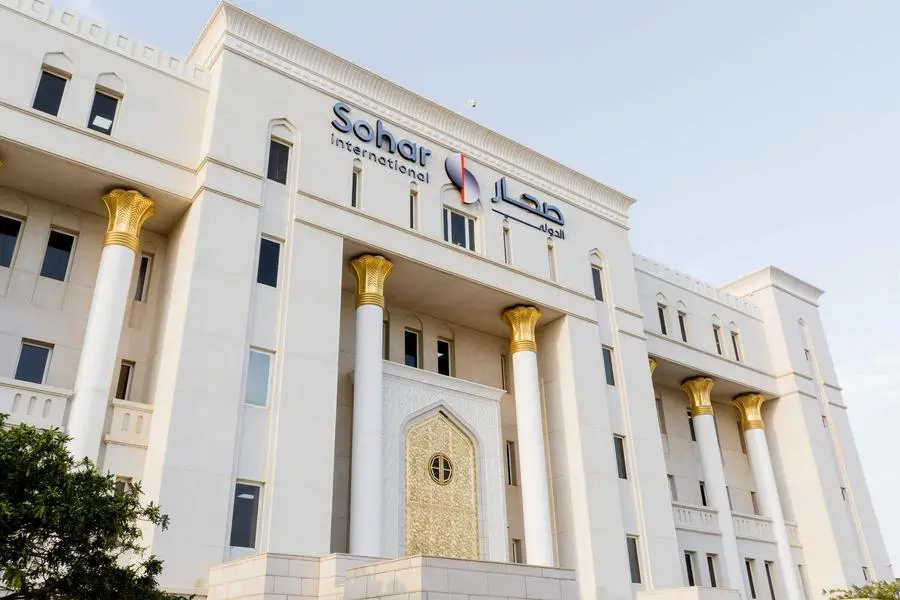
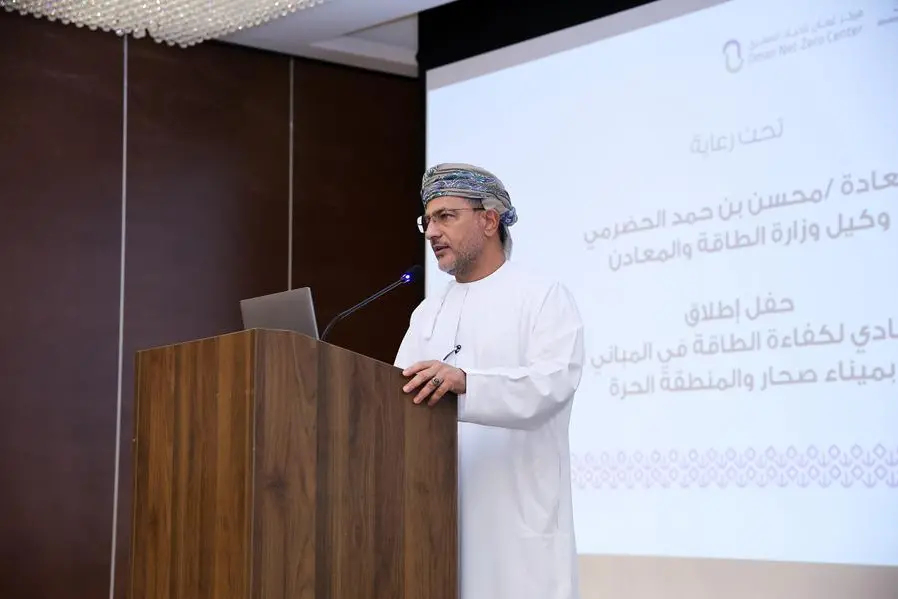
Muscat, Oman - Under the patronage of H.E. Mohsen bin Hamad Al Hadhrami, Undersecretary of the Ministry of Energy and Minerals, SOHAR Port and Freezone, in collaboration with the Ministry of Energy and Minerals, represented by the Oman Net Zero Center, launched the Energy Efficiency Guideline for SOHAR Industrial Buildings. The launch introduces a practical framework designed to help industrial tenants improve energy performance, reduce operating costs, and unlock immediate efficiency gains across SOHAR’s industrial and logistics ecosystem.
More than a technical reference, the guideline provides a structured and precise methodology that enables investors and operators to assess performance, identify inefficiencies, and implement targeted improvement measures at the facility level. It also includes a set of key performance indicators related to building efficiency, such as cooling setpoints, energy use intensity, water heating energy intensity, and the performance of lighting, air conditioning, and mechanical ventilation systems, supporting more efficient operational and investment decision-making.
H.E. Mohsen bin Hamad Al Hadhrami emphasized the importance of practical frameworks such as the Energy Efficiency Guideline in supporting Oman’s energy transition. He highlighted the value of structured and scalable approaches that enable industrial operators to reduce energy consumption, improve operational performance, and realize cost efficiencies, contributing to long-term economic resilience.
The guideline draws on internationally recognized standards, including ASHRAE 90.1, ASHRAE 105, IPMVP and ISO 6946, while aligning with Oman’s Building Code and the primary regulation governing occupational health and safety (OHS) based on Ministerial Decree 286/2008. It supports the priorities of Oman Vision 2040, particularly those linked to industrial productivity, economic diversification, and resilient infrastructure.
Dr. Abdullah Al Abri, Vice President Sustainability and Acting HSSE Director at SOHAR Port and Freezone, said: “While industrial processes often receive the greatest attention in energy management, buildings such as offices, warehouses and workshops also account for significant consumption and present a clear opportunity for improvement. This framework provides a shared roadmap for tenants, helping translate technical potential into measurable operational gains while reinforcing SOHAR’s role in enabling responsible industrial growth.”
Eng. Mohsin Al-Jabri, Director General of the Oman Net Zero Centre, said: “Energy efficiency represents one of the most immediate and cost-effective opportunities to support Oman’s decarbonization journey. By enabling 15-20% energy savings with relatively short payback periods, this guideline provides a practical and scalable model for industrial facilities.”
The launch further reinforces SOHAR’s commitment to advancing sustainable industrial development, enhancing competitiveness, supporting investment, and aligning growth with the evolving demands of lower-emission markets.
About SOHAR Port and Freezone
SOHAR Port and Freezone is one of the world’s fastest-growing integrated industrial and logistics hubs, strategically positioned to connect businesses to the world and facilitate trade across diverse sectors. This significant mega-project, a collaboration between ASYAD Group & the Port of Rotterdam, offers a comprehensive range of services, including logistics, petrochemicals, metals, and the region's first dedicated agribulk terminal.
With over 20 years of operation, SOHAR has become the primary gateway for Oman’s import and export activities, contributing 2.6% to the nation’s GDP The SOHAR Freezone enhances operational efficiencies through synergies in green manufacturing, logistics, and trade.
In 2024, SOHAR Port achieved a remarkable throughput of 75.4 million metric tons. SOHAR Port is a multifunctional port driving innovation and efficiency in Oman’s logistics, marine services, and trade sectors, committed to sustainable development and advanced technology. This modernization aligns with the economic diversification objectives outlined in Oman’s Vision 2040.