PHOTO
Cairo, Egypt – SEKEM announced strong business and sustainable development performance in 2025, reinforcing the continued success of its integrated model that combines economic growth, ecological sustainability, social justice and cultural development; advancing on SEKEM Vision Goals for 2057. Despite a challenging macroeconomic environment marked by inflationary pressures and high interest rates, SEKEM delivered solid financial results while expanding its environmental, social and cultural impact across Egypt.
The year underscored SEKEM’s holistic mission of business performance and sustainable development of communities across Egypt, with measurable progress across its companies, projects and environmental initiatives; as well as considerable impact across diverse community stakeholders.
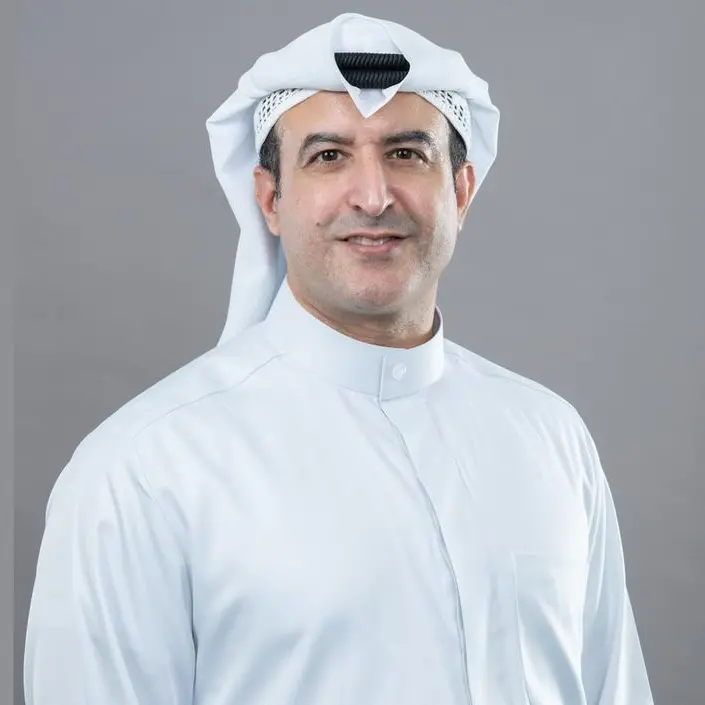
“2025 was a year of resilience, growth, and transformation,” said Helmy Abouleish, CEO of SEKEM. “We continued to strengthen our business performance while expanding opportunities for farmers, advancing organic agriculture, and creating measurable environmental, social and cultural impact. These results demonstrate that economic success and sustainable development can grow hand in hand.”
SEKEM closed 2025 with consolidated revenues of EGP 1.726 billion, achieving 12% year-on-year growth. A key driver of performance was ISIS Organic, which recorded EGP 1.27 billion in revenues, representing a 27% increase year-on-year. The company expanded its international footprint across the UAE, France, Qatar, Germany, Jordan and Malaysia, while achieving its strongest yearly sales performance in SEKEM Group’s history. Agricultural operations also delivered strong growth, with revenues increasing by 42%, supported by expanded farming activities across SEKEM’s Wahat, Minya and Belbeis farms and continued diversification of crop production.
Exports remained a major growth engine, accounting for 51% of total sales, highlighting SEKEM’s strengthening position in international markets and its contribution to Egypt’s export economy. Growing global demand for organic products demonstrates that organic agriculture is both competitive and economically viable. This increasing recognition reinforces SEKEM’s belief that organic food systems are not a luxury, but a practical solution to today’s environmental, health, social and cultural challenges. When applying ‘true cost accounting’ and factoring in environmental and health impacts alongside market prices, organic products emerge as a clear, cost-effective alternative to conventional products.
Through the Economy of Love standard, farmers generated more than 268,000 carbon credits, with over 35,000 credits sold, representing an estimated market value of approximately €6.7 million. SEKEM maintained its carbon-neutral status, achieving 20,830 tons of CO₂ equivalent in carbon sequestration and a net positive carbon balance exceeding 17,000 tons. Renewable energy accounted for 32% of total energy consumption.
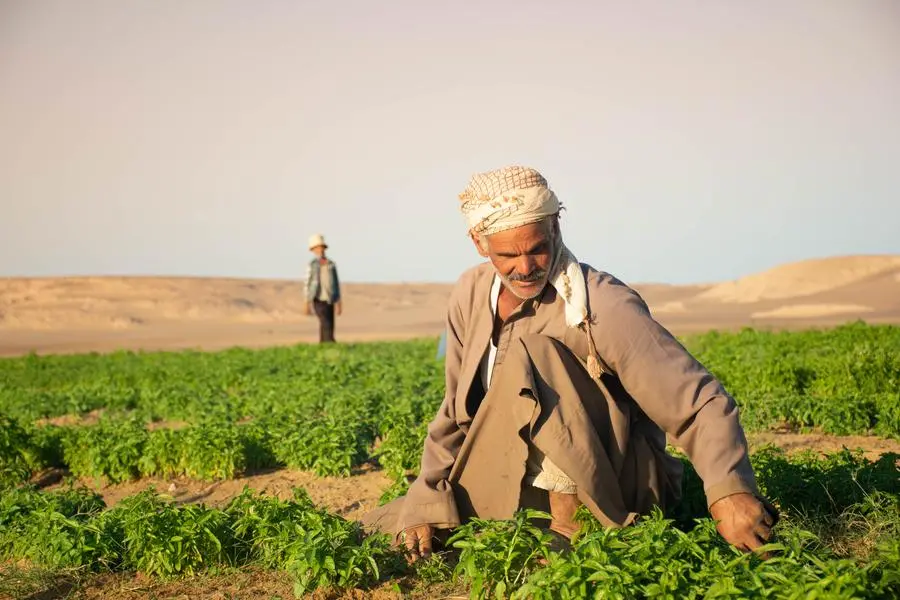
The Egyptian Biodynamic Association (EBDA) expanded its organic agriculture network in 2025, now including more than 40,146 registered farmers across 23 governorates.The network spans over 67,000 hectares of cultivated land, supporting farmers in transitioning toward biodynamic and organic farming systems. Biodiversity restoration efforts also advanced, with more than 803,000 trees planted across SEKEM farms and over 145,000 new trees added in 2025 alone. Farmer capacity-building remained central to SEKEM’s impact, with more than 60,000 training engagements delivered nationwide through a network of over 120 agronomists, strengthening productivity, resilience and long-term livelihoods.
Beyond its economic and environmental achievements, SEKEM further strengthened its cultural and societal development agenda in 2025. The organization continued to invest in human development through education, arts and lifelong learning programs that foster creativity, ethical awareness and social cohesion within communities. SEKEM’s educational institutions and cultural initiatives reached diverse stakeholders, with thousands of students, farmers, and community members, reinforcing values of sustainability, cooperation and responsible citizenship. These efforts remain a core pillar of SEKEM’s holistic model, ensuring that economic and environmental progress is accompanied by social transformation and cultural awareness.
Heliopolis University for Sustainable Development, the academic and research arm of the SEKEM Initiative, supports SEKEM by advancing applied research, building capacity through education, and translating field experience into scalable knowledge. Through these efforts, HU strengthens SEKEM’s impact and contributes to sustainable development in Egypt.
Building on its 2025 performance, SEKEM plans to further scale organic and biodynamic agriculture, expand climate finance mechanisms, and deepen its sustainable business operations. Through the continued growth of the Egyptian Biodynamic Association (EBDA) ecosystem and strategic partnerships across Egypt, the organization aims to enhance farmers’ livelihoods while accelerating its contribution to a resilient, climate-positive economy.
About SEKEM
With the vision of promoting sustainable development in economy, ecology, society and culture, Dr. Ibrahim Abouleish founded the SEKEM Initiative in the Egyptian desert in 1977 Sekem Holding companies produces, processes and markets organic food, textiles and herbal medicines in Egypt and international markets. SEKEM was awarded the "Alternative Nobel Prize" in 2003.In 2024, SEKEM was further recognized with the Champions of the Earth Award by the United Nations Environment Programme (UNEP), the UN’s highest environmental honour, for its pioneering work in regenerative agriculture and sustainable development. SEKEM companies use parts of their profits to finance the activities of the SEKEM Development Foundation (SDF), which runs schools and medical centers , among others. In 2012, Heliopolis University for Sustainable Development was established as part of the SEKEM Initiative. The university was founded with the aim of pioneering the introduction of sustainable development concepts and principles to its students and the broader Egyptian community, and to act as the research arm which helps achieve Sekem Vision Goals for 2057.
www.sekem.com
Contact: pr@sekem.com
©2026 SEKEM. All rights reserved