PHOTO
Arbitration centres across the Middle East and North Africa (MENA) handled claims valued at no less than $2.6 billion last year, underscoring the region’s growing prominence in international dispute resolution and signalling its potential to rival Europe’s long-established arbitration hubs.
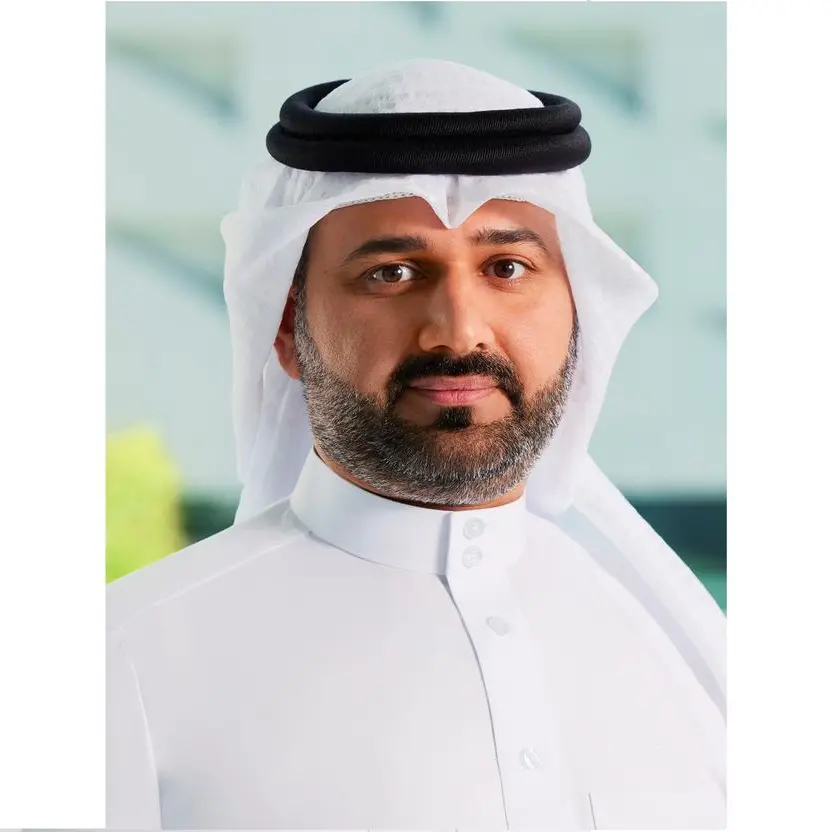
According to a new report published by MS-Legal, a specialist international arbitration law firm based in London and authored by Mohamed Shaban, the firm’s Principal Partner and International Disputes Specialist, international arbitration across the MENA region has witnessed remarkable growth over the past five years, positioning regional centers as serious contenders in the global arbitration landscape.
The report notes that well-established centers such as Dubai and Cairo recorded average growth rates of 38%. At the same time, newer institutions in Saudi Arabia, Bahrain, and Qatar saw demand surge by several hundred per cent a reflection of their rapid development and the region’s strong economic momentum in construction, infrastructure, and energy sectors.
The Dubai International Arbitration Centre (DIAC) remains the largest in MENA by both case volume and claim value, consolidating its leadership through modernised regulations and digital transformation as well as its ability to attract experienced and renowned arbitrators. The adoption of e-filing systems, virtual hearings, and centralised digital case management has boosted efficiency, reducing average case durations by around 25% compared to European centers.
The report also finds that MENA arbitration is 25–50% more cost-effective than in Europe, while striving to maintain similar standards of neutrality and transparency. This has made regional centers increasingly attractive to global corporations seeking reliable, efficient, and cost-competitive dispute resolution mechanisms.
Shaban says that the enforceability of arbitral awards remains a central factor in choosing arbitration seats. He notes that most MENA jurisdictions have now modernised their arbitration laws in line with the UNCITRAL Model Law and acceded to the New York Convention, enhancing judicial support and minimising court interference particularly in Dubai, Abu Dhabi, and Bahrain.
Language use further reflects the region’s growing internationalism. About 75% of cross-border disputes in Dubai, Abu Dhabi, Bahrain, and Qatar are now conducted in English, while intra-regional cases remain more balanced between Arabic and English. The Cairo Regional Centre for International Commercial Arbitration (CRCICA), however, continues to favour Arabic, preserving its strong regional identity.
The report highlights the profound effect of digital transformation on arbitration efficiency. Tools such as online submissions and virtual hearings have not only lowered costs but also shortened case timelines saving, on average, one to two months per case.
Shaban predicts that within the next decade, MENA arbitration hubs may achieve global parity with their European counterparts as they strive to achieve further legal reforms, technological innovation, and investment in human capital. Centers such as DIAC, ADGM, and SCCA are rapidly emerging as destinations of choice for international arbitration, particularly in energy, construction, and infrastructure.
He predicts that if progress continues at its current trajectory, MENA arbitration centers could, within the next 7-10 years, rival or even surpass Europe in efficiency, accessibility, and international participation marking a transformative shift in the global arbitration landscape.
Shaban adds that a continued increase in caseload over time will help MENA bolster its position. As the number of resolved cases grows, so too will its data pool and track record. Transparent reporting and timely resolution, he says, will enhance reputation and brand recognition. Users invariably analyse historic data to predict future performance, something Europe has benefited from for decades, and MENA will benefit from in the years ahead, he notes.
"The future global parity will likely be achieved in sectors such as energy, infrastructure and construction. Especially for participants from Africa, the Middle East and Eurasia."
Shaban highlighted.
He envisages that Europe will continue to lead in other specialised sectors such as finance, commodities, insurance and shipping. Europe is also likely to maintain a more diversified caseload than MENA in the foreseeable future