PHOTO
MUSCAT: As Oman accelerates its transition towards a low-carbon economy, the country’s banking sector is emerging as a critical catalyst, bridging national climate ambitions with real-world investment. At the heart of this shift is the growing role of green finance and sustainable banking, which are increasingly shaping how capital is allocated across the economy.
Oman’s net-zero commitment by 2050, coupled with large-scale investments in renewable energy, green hydrogen, low-carbon industry and climate-resilient infrastructure, is creating unprecedented financing needs. Meeting these requirements will depend not only on government spending and foreign capital, but also on the ability of domestic banks to mobilise, structure and channel funding into sustainable projects. This positions the banking sector as a central pillar of Oman’s decarbonisation journey.
Green finance instruments — including green loans, sustainability-linked loans, green bonds and transition finance — are gaining traction globally, and Oman’s banks are increasingly aligning with these trends. By embedding environmental, social and governance (ESG) criteria into credit decisions, banks can incentivise companies to reduce emissions, improve resource efficiency and adopt cleaner technologies. In doing so, financial institutions help de-risk climate-aligned investments while supporting long-term economic resilience.
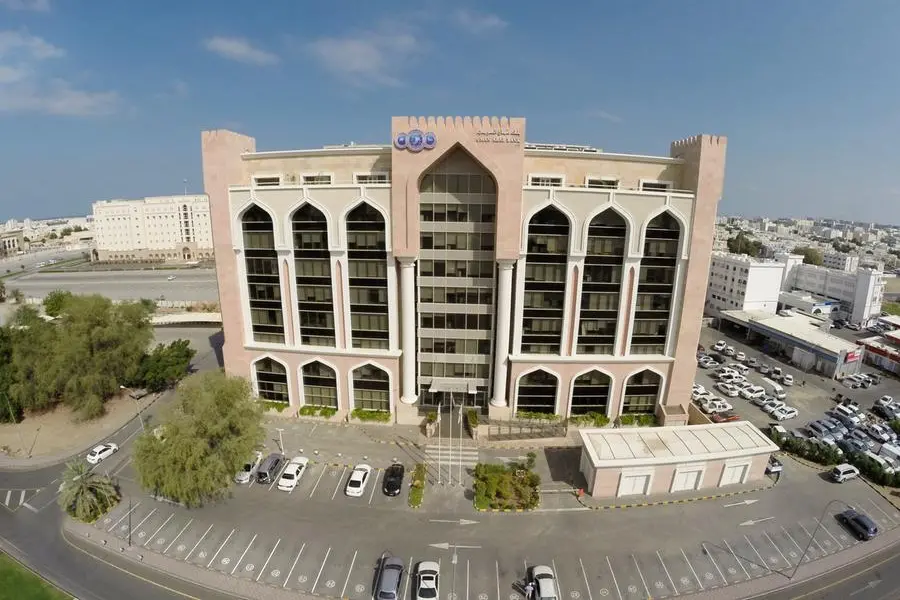
BankDhofar, one of Oman’s leading financial institutions, is playing a particularly prominent role in this transformation. The bank has been steadily integrating sustainability into its core strategy, recognising that climate transition is not a peripheral concern but a fundamental driver of future growth. Through tailored financing solutions, BankDhofar is supporting projects across renewable energy, energy efficiency, sustainable logistics, clean manufacturing and environmentally responsible SMEs.
By deploying sustainability-linked financing, BankDhofar is also encouraging corporate borrowers to align business performance with measurable climate and ESG outcomes. This approach ties financial incentives directly to emissions reductions, energy efficiency improvements or broader sustainability targets, creating a powerful mechanism to accelerate behavioural change across industries. In parallel, the bank’s growing focus on digitalisation and fintech solutions enhances transparency, monitoring and reporting — key requirements for credible green finance.
Importantly, Oman’s banking sector also has a role to play in crowding in international capital. By aligning local financing frameworks with global standards, such as those governing green bonds, carbon markets and climate disclosures, banks can help position Oman as an attractive destination for sustainable investment. Institutions like BankDhofar act as trusted intermediaries, connecting international investors with bankable, climate-aligned projects on the ground.
As Oman advances towards a diversified, low-carbon economy, the role of banks will only deepen. Through innovation in green finance, responsible lending and sustainable banking practices, the sector led by players such as BankDhofar — is helping transform climate ambition into investable reality, ensuring that economic growth and decarbonisation progress hand in hand.