PHOTO
The Rehabilitation and Correctional Policies Committee at the Abu Dhabi Judicial Department revealed tangible and positive outcomes in the academic preparation of inmates at correctional and rehabilitation centres under the “Professional Empowerment for the Labour Market” program, The number of beneficiaries from the educational tracks implemented in partnership with the Higher Colleges of Technology reached 139 inmates in 2025, marking an increase of 54% compared to 2024.
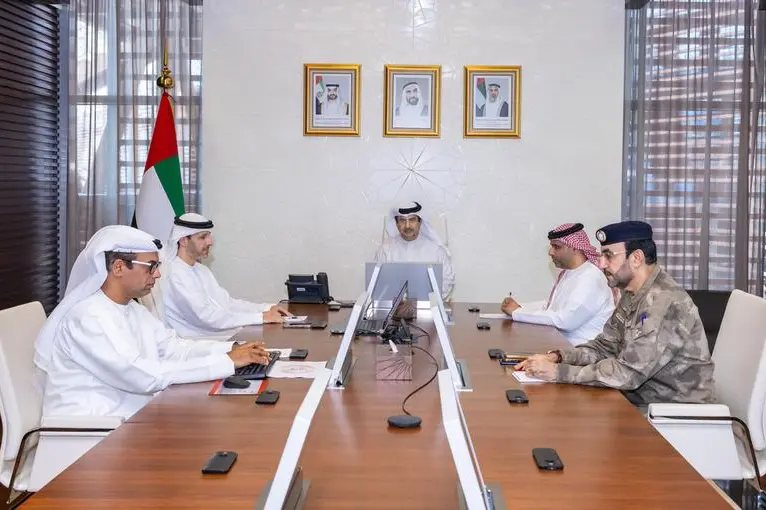
This was announced during the committee’s meeting, chaired by H.E. Counsellor Yousef Saeed Al Abri, Undersecretary of the Abu Dhabi Judicial Department, during which periodic performance results were reviewed and mechanisms for updating the rehabilitation system were discussed, in a manner that ensures alignment with the Department’s strategic priorities aimed at sustaining leadership and implementing best practices in rehabilitation and social reintegration.
Al Abri affirmed that these achieved results reflect the directives of H.H. Sheikh Mansour bin Zayed Al Nahyan, Vice President of the UAE, Deputy Prime Minister, Chairman of the Presidential Court, Chairman of the Abu Dhabi Judicial Department, aimed at establishing a leading rehabilitation approach that invests in human capital and focuses on equipping inmates with knowledge and practical skills as a fundamental pillar for their effective return as responsible individuals contributing to development.
He explained that the completion of educational and vocational tracks by 139 inmates in 2025 demonstrates the efficiency of strategic plans in transforming correctional and rehabilitation centres into a stimulating knowledge-based and productive environment that provides inmates with a real opportunity to change their lives by obtaining specialised qualifications that open employment prospects after the completion of their sentences.
He added that the Abu Dhabi Judicial Department is keen to sustain these achievements by strengthening integrated partnerships with educational institutions and operational sectors to ensure that the skills acquired by inmates are aligned with actual labour market requirements, paving the way for their return as productive members of society.