PHOTO
(The opinions expressed here are those of the author, a columnist for Reuters.)
ORLANDO, Florida - The U.S. tax deadline of April 15 often elicits both dread and anticipation — the administrative grind of filing, and the prospect of a refund windfall. This year, that refund could be substantially larger than usual, and it could not be better timed.
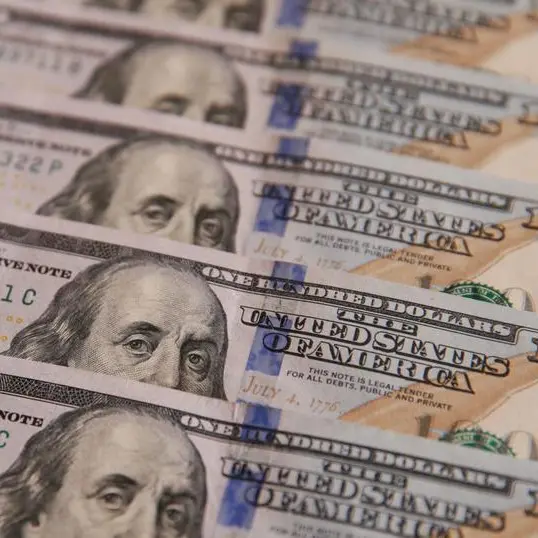
Tax refunds are currently 17% higher than last year, implying a $50 billion windfall for consumers by the end of May relative to the same period last year, according to Goldman Sachs economists.
This should offer a much-needed boost to consumers and the wider economy following the spike in fuel prices after the outbreak of the Iran war two months ago.
Indeed, consumers appeared to be leaning into their expected refunds already last month to meet the record surge in gasoline prices. Retail sales in March rose much more than expected, figures on Tuesday showed.
That resilience prompted the Atlanta Fed to increase its GDPNow model estimate of first-quarter growth to a 1.2% annualized rate from 0.9% – the first upward revision in a month.
It's a small upturn, but a welcome one. The consumer outlook was reasonably bright at the start of the year; the Iran war has since darkened it considerably, forcing growth forecasts to be slashed.
The question now is how long any refund-driven boost will last.
Consumer spending in April should be strong. Large, one-off refunds are typically viewed as discretionary income and thus tend to be spent quickly rather than saved, especially when households face significantly higher costs elsewhere.
But this timeline also means the boost is apt to fade quickly as the energy price shock persists, forcing consumers to dip into savings that have already been depleted in recent months.
SWALLOWING UP THE REBATES
Morgan Stanley economists offer a sobering analysis. They anticipate that the average increase in tax refunds will only offset the gasoline-price spike if the average pump price this year is no more than $3.60 per gallon. That figure is still running above $4.00.
Unless prices fall sharply and soon, the pump will swallow the refunds. Consumer spending growth in the second quarter could be weak despite the rebate windfall, perhaps dipping below 1%, according to Oxford Economics.
Goldman economists also aren't optimistic about the ability of consumers to withstand higher pump prices for long before cutting back on spending.
Their baseline scenario has Brent crude cooling to $80 a barrel by year-end - down from an average of around $100 since the war broke out on February 28, against $70 the day before - creating a $70 billion annualized headwind to consumers. At current prices, that headwind is estimated at $140 billion annualized.
NOT SO FAST
But hold off on calling for the capitulation of the U.S. consumer just yet.
Average household balance sheets are in decent shape, especially with equity prices proving so resilient. Predictions of the demise of the U.S. consumer in recent years have consistently underestimated the strength of this 'wealth effect'.
What's more, real household income is the highest since the data series was launched in 2010, excluding the pandemic-distorted year of 2020, according to Motio Research.
True, a consumer stress index released by the Kearney Consumer Institute on Wednesday shows that 37% of U.S. consumers felt stressed about debt and savings in the first quarter, up from 10% in the final quarter of last year. But one persistent trend in recent years is the massive disconnect between how consumers report feeling and how much any anxiety actually impacts their spending.
Consumers in lower income brackets are much more vulnerable, of course, as they spend a larger proportion of their income on energy. But they are responsible for a limited portion of overall U.S. spending, so headline economic figures may remain strong even if large segments of the population are seriously struggling. Ultimately, bumper tax refunds should delay the pain of higher pump prices, but – as with everything else in the crisis – the question is how long it can last.
(The opinions expressed here are those of the author, a columnist for Reuters)
Save the date: On April 23 at 1300 GMT/9 a.m. EDT, ROI columnists Mike Dolan and Jamie McGeever will join LSEG for a webinar discussion, "Markets Unpacked with Reuters Open Interest: Rethinking safe havens in uncertain times." Click here to sign up.
Enjoying this column? Check out Reuters Open Interest (ROI), your essential new source for global financial commentary. Follow ROI on LinkedIn, and X.
And listen to the Morning Bid daily podcast on Apple, Spotify, or the Reuters app. Subscribe to hear Reuters journalists discuss the biggest news in markets and finance seven days a week.
(By Jamie McGeever)