PHOTO
Lebanon’s hopes of carrying out a restructuring of its debts, as part of a wider economic overhaul, have receded since the end of February due to the conflict in the Middle East.
Lebanon defaulted on its US$29bn of Eurobonds in early 2020, but following the appointment of technocratic prime minister Nawaf Salam started talks last year between bondholders, Lebanon’s banks, Banque du Liban and the government about how to apportion losses between those parties.
Reaching agreement was seen as key to unlocking a potential programme from the International Monetary Fund. The government had hoped to pass a ‘gap law’ setting out how the losses would be shared before parliamentary elections in May.
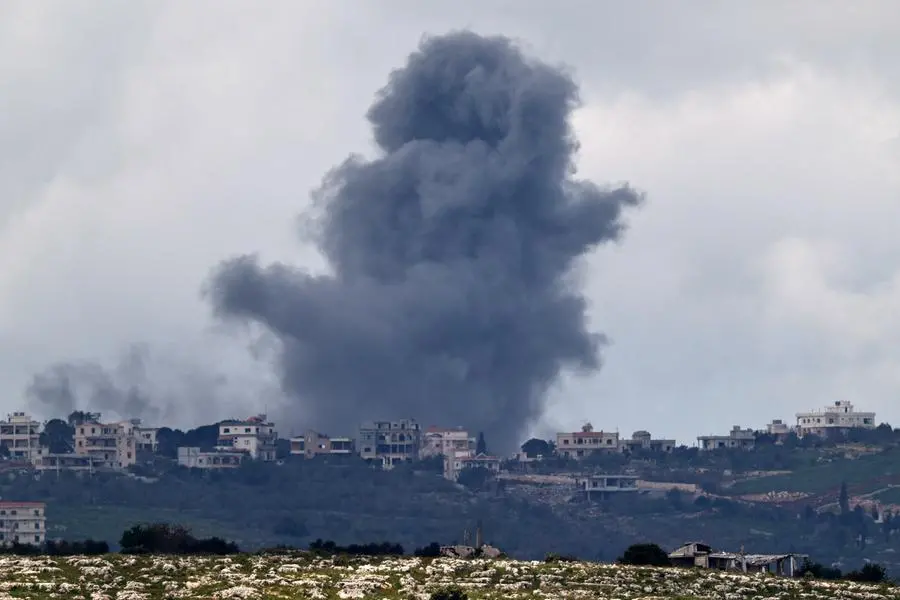
Following the US and Israel’s attacks on Iran and Israel’s attacks on Iran-backed group Hezbollah in Lebanon, these elections have been postponed for two years. “Understandably the focus has switched from economic issues to security issues,” said one creditor source.
A second source familiar with the situation said: “The plan is now to try and agree something over the next two years.”
Fadi Khalaf, secretary general of the Association of Banks in Lebanon, said in an article in March: “The postponement of parliamentary elections should provide Parliament with broader space to focus on major reform files”.
A third source said the conflict would be a factor in negotiations. “Given recent events, the economic impact will be significant. Things are effectively on hold for now.”
Lebanon’s government has previously called for Hezbollah to lay down its arms. A ceasefire has been agreed between Iran and the US and Israel. However, it is unclear if this includes activities in Lebanon. Israel and Lebanon are due to meet to discuss this.
Sharing the pain
Lebanon’s financial sector has incurred about US$80bn of losses. The initial restructuring discussions revolve around how to split those between its public and private institutions. Lebanon’s banks largely parked deposits at the central bank, Banque du Liban, due to the generous interest rates offered.
The central bank in turn could then help the state meet payments on its extensive outstanding international bonds. Ultimately this has left the central bank technically insolvent, with negative equity estimated at US$30bn, requiring it to be recapitalised.
Bank deposits have been frozen since the default but the proposal was to allow smaller ones to be unlocked. Once the banks’ losses have been agreed the IMF will be clearer on how much debt the economy can sustain, leading to a separate discussion about restructuring the outstanding bonds.
Lebanon’s bonds are currently bid at 26.5 cents in the dollar. Before the attacks on Iran, they were bid at around 30 cents, having risen from 6.5 cents before the current Lebanese government was appointed in early 2025.
Source: IFR