PHOTO
AMMAN — Jordan’s exports to EU countries rose by 30.9 per cent during the first eight months of 2025, according to foreign trade figures issued by the Department of Statistics (DoS).
Jordanian exports to EU countries during the same period reached JD369 million, up from JD282 million in the corresponding period last year, Al Mamlaka TV reported.
Italy was the top EU destination, with exports rising to JD101 million from JD36 million in the same period last year, recording an increase of 180.6 per cent.
Jordan’s imports from EU countries during the same period reached JD2.088 billion, compared with JD1.942 billion in the same period last year, an increase of 7.5 per cent.
Germany was the leading source of imports, with shipments totalling JD451 million, up from JD449 million in the same period last year, recording a rise of 0.4 per cent.
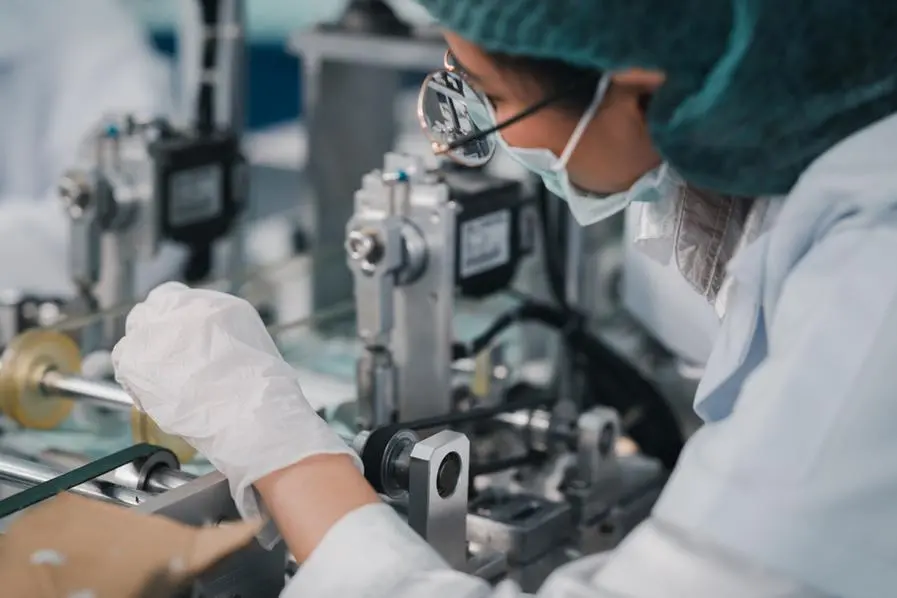
The main national products exported to EU markets include garments, fertilisers, pharmaceuticals, chemical products, and selected agricultural items.
Key imports from the EU comprise vehicles, industrial machinery and equipment, pharmaceutical and medical products, chemicals, electrical machinery and electronics, as well as food products, the DoS reported.
Mohammad Samadi, a board member of the European Jordanian Business Association (EuroCham), said the increase in Jordanian exports to the EU reflects improvements in industrial performance and the growing competitiveness of national products in European markets, particularly in high-value-added sectors such as garments, fertilisers and pharmaceuticals.
He emphasised that these figures reflect the outcome of joint efforts by the public and private sectors to strengthen economic cooperation between Jordan and the EU.
Samadi also said that the quality of Jordanian industry is increasingly recognised in European markets, owing to local factories’ commitment to the highest production standards and international specifications.
He noted that many Jordanian products now compete with European counterparts in quality, price, and efficiency, enhancing confidence in Jordanian goods and creating opportunities for further export growth.
He described the Jordan-EU partnership as a successful model of balanced economic cooperation, adding that the next phase requires greater efforts to maximise the benefits of the rules-of-origin simplification agreement and other EU initiatives supporting Jordanian exports
Samadi stressed the need to quickly establish a comprehensive national traceability system for food and animal products, including cheeses, processed meats, and dairy.
He noted that such a system would record data on domestic products, improve resource efficiency, strengthen competitiveness, and help Jordan fully benefit from EU trade agreements, which require a national traceability system for imports.
He expressed confidence that the positive trend in exports will support economic growth, create new job opportunities, and further integrate the Jordanian and European economies.
Samadi emphasised that the chamber plays a central role in enabling exporters to tap into these markets by providing accurate information and organising visits and meetings across EU countries in cooperation with trade attachés at various EU embassies, to explore business opportunities and facilitate Jordanian exports.
© Copyright The Jordan Times. All rights reserved. Provided by SyndiGate Media Inc. (Syndigate.info).