PHOTO
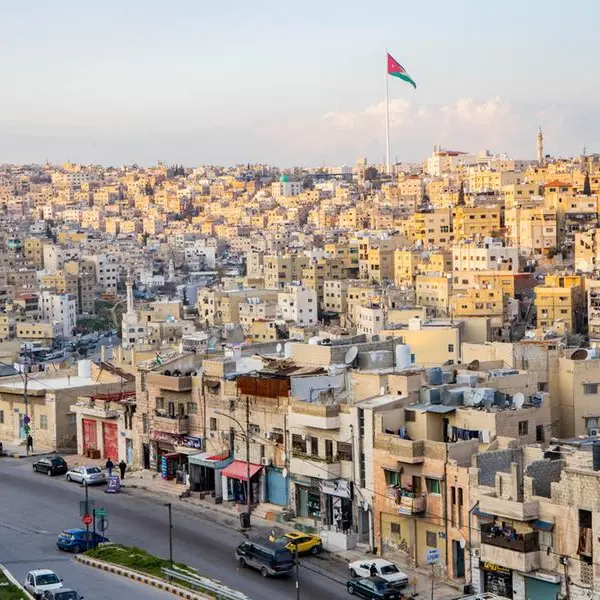
AMMAN — The Jordan Economic Forum (JEF) has stressed that reducing the gender gap is a human right and a key driver of economic growth and national development, enhancing productivity and overall efficiency.
In a paper titled “Jordanian Women and Equal Opportunities: Jordan’s Performance in the 2025 Gender Gap Index,” the Forum highlighted the Kingdom’s efforts to advance gender equality as part of its broader economic modernisation and sustainable development agenda.
According to the 2025 Global Gender Gap Report, Jordan achieved a closure rate of 65.5 per cent, ranking third in the Arab world behind the UAE (72.4 per cent) and Bahrain (68.4 per cent), compared with an international average of 68.8 per cent.
The Forum noted that Jordan’s Gender Gap Index score improved from 0.593 in 2014 to 0.655 in 2025, reflecting tangible progress in education and health. The education score rose from 0.97 to 0.99, while the health score increased from 0.94 to 0.956, improvements attributed to higher female enrolment in higher education and greater participation of women in the education and health sectors.
Despite this progress, the Forum underlined that economic participation and political empowerment remain the most pressing challenges.
Women’s participation in the labour market stands at 14.9 per cent — among the lowest in the region — while the gender pay gap remains between 17 and 21 per cent. "Structural barriers such as limited public transport, lack of flexible work options, social and cultural biases, and concentration in low-wage sectors continue to constrain women’s economic opportunities."
Regarding political empowerment, Jordan has introduced legislative measures to enhance women’s representation. The 2021 Local Administration Law increased women’s quota in local and regional councils from 10 to 25 per cent, while the 2022 Political Parties Law requires at least 20 per cent female membership among founding party members. These reforms have contributed to women’s participation in political parties reaching 44 per cent in 2025, according to the Forum.
The Ministry of Social Development’s 2022–2026 strategic plan also reflects a commitment to increasing women’s participation in development to 27 per cent by 2025, embedding gender considerations into institutional policies and social protection programmes.
The Forum also stressed that sustained progress depends on continued reforms to the business environment, stronger social protection systems, and expanded support for women-led enterprises.
It noted that the Economic Modernisation Vision (2022–2033) identifies women’s empowerment as a cross-cutting priority, promoting entrepreneurship, financial inclusion and participation in future-oriented sectors such as technology and renewable energy.
Among the practical measures recommended by the Forum are improving public transport, expanding childcare services, adopting flexible work arrangements, linking private sector incentives to women’s employment, and monitoring pay equity.
The Forum also called for greater representation of women in elected bodies, leadership training programmes, gender-responsive budgeting, and awareness campaigns to challenge social stereotypes.
© Copyright The Jordan Times. All rights reserved. Provided by SyndiGate Media Inc. (Syndigate.info).