PHOTO
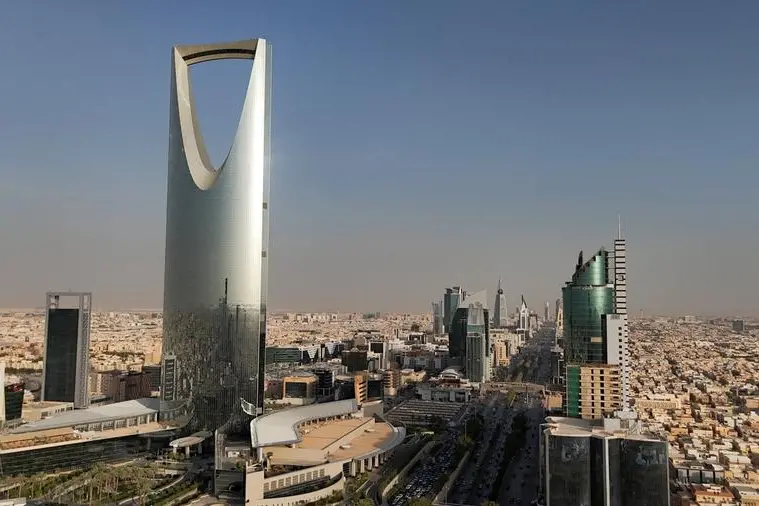
A dynamic real estate landscape continued to unfold across the Kingdom of Saudi Arabia in Q3 2025, catalysed by Vision 2030's transformative impact, according to property expert JLL.
Hospitality defied low season, with Kingdom-wide occupancy hitting 60.5%, up 1.4 percentage points, fueled by 14.3 million international visitors in H1 2025 and "Saudi Summer" drawing over 32 million tourists, a 26% increase year-on-year.
Industrial rents performed strongly, with Riyadh leading at 10.5% annual growth, particularly in Taybah (+21.7%) and Al Fawzan Industrial City (+20.0%). Jeddah also saw 6.6% growth, and Jeddah Islamic Port reached SAR 470 per sqm. High occupancy persisted across major markets, including Riyadh at 90.0%, Jeddah at 91.0%, and Dammam Metropolitan Area (DMA) at 85.0%, said JLL in its latest Market Dynamics reports that reveals comprehensive sector strength and strategic evolution.
Riyadh's prime office market was exceptionally tight with just a 0.5% vacancy, fueling rental surges. King Abdullah Financial District (KAFD) prime levels rose 11.1% annually to SAR 3,630 per sqm, and Riyadh Grade A rents climbed 9.5% year-on-year. Jeddah's Grade A vacancy stood at 4.9%. Retail saw Riyadh's super-regional malls maintain a low 2.5% vacancy, evolving with tourism and experience-led developments.
Residential momentum continued with Riyadh recording 6,140 sales, 10.3% apartment price growth (SAR 6,501/sqm), and significant rental increases (apartments +19.6% annually, villas +17.2%). Jeddah logged 3,228 sales, with villa prices up 3.1% (SAR 6,668/sqm), though apartment prices dipped 2.8%.
Amidst this robust market performance, a new wave of regulatory changes is set to significantly influence real estate dynamics, said JLL in its report.
In Riyadh, a five-year rent freeze, applies to renewed and vacant residential and commercial leases, reverting rents to their last registered amount. This measure is expected to stabilize living costs and curb speculative rent hikes, potentially shifting investment focus towards premium, long-term assets and development rather than short-term rental gains.
Concurrently, amendments to the White Land and Vacant Property Tax Law extend the tax nationwide to long-term vacant buildings (beyond undeveloped plots), with tiered fees up to 10% for holdings ≥ 5,000 sqm.
This aims to unlock dormant land, accelerate development, and significantly boost the supply of developed land and housing across the Kingdom.
Saud Alsulaimani, Country Lead and Head of Capital Markets at JLL Saudi Arabia, said: "We are witnessing a clear flight to quality and innovation across all sectors; from the hospitality market's ability to attract record international visitors and defy seasonal norms, to the consistent double-digit rental growth in industrial, and the tightening office market driven by corporate expansions."
"This environment is actively shaping a future where real estate plays a pivotal role in the Kingdom's economic diversification, setting new benchmarks for regional and global leadership," he stated.
Advancing Vision 2030, Saudi Arabia's real estate market is a pivotal growth engine, undergoing strategic shifts. Industrial growth targets export-led manufacturing and specialized facilities.
Riyadh's tech and financial sector expansions fuel strong office demand prioritizing sustainability and metro connectivity.
Retail evolves via experience-led concepts and strategic partnerships. Together with major events such as Expo 2030 and FIFA 2034, and giga-projects including NEOM and Diriyah, these advancements will drive expansion and innovation, solidifying the Kingdom's global real estate powerhouse status.
Copyright 2025 Al Hilal Publishing and Marketing Group Provided by SyndiGate Media Inc. (Syndigate.info).