PHOTO
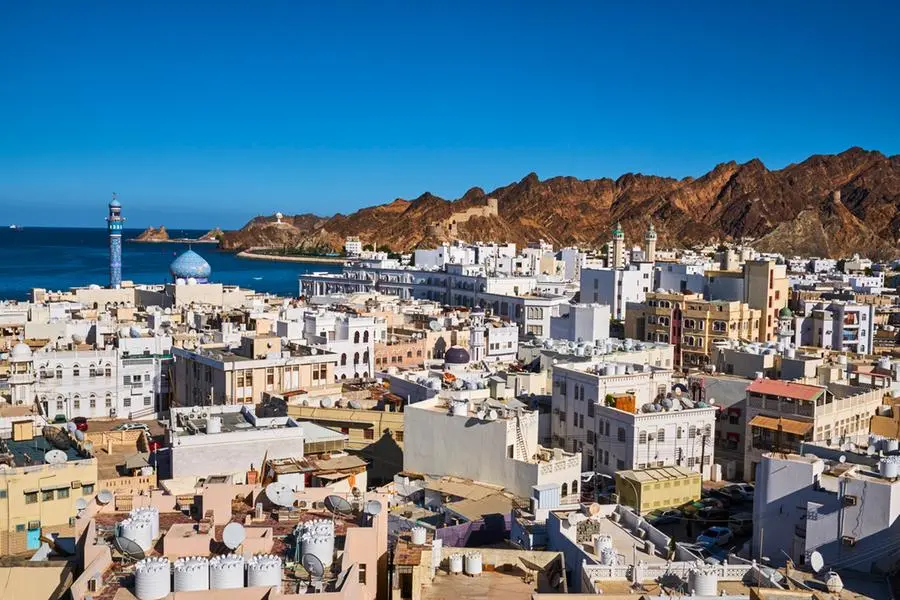
Muscat – At a time when Gulf economies are re-examining their long-term urban strategies, Oman is entering a pivotal phase of its own development journey. A high-level panel discussion titled “Shaping Oman’s Urban Development: Local & Global Perspectives” convened in Muscat last week, bringing together industry leaders, policymakers and international architects to discuss the future of cities in the Sultanate.
Jointly hosted by Oman’s Espace Engineering Consultants and UK-based Formation Architects, in collaboration with the Ministry of Housing and Urban Planning and the Oman British Society, the event drew more than 80 participants from across sectors. The discussions reflected both optimism and caution about the country’s evolving urban landscape.
Jointly hosted by Oman’s Espace Engineering Consultants and UK-based Formation Architects, in collaboration with the Ministry of Housing and Urban Planning and the Oman British Society, the event drew more than 80 participants from across sectors. Conceived as the brainchild of Mohamed Al Khonji, Managing Director of Espace Engineering Consultants, the initiative underscored how a young Omani entrepreneur could bring together diverse stakeholders to address challenges in shaping Oman’s urban fabric. The discussions reflected both optimism and caution about the country’s evolving urban landscape.
His Highness Sayyid Tarik bin Shabib al Said, Director of Renaissance Services, attended as Guest of Honour. In his remarks, he described himself as both an environmentalist and a realist, stressing that sustainable urban growth must find common ground between expansion and preservation. “If done responsibly, a denser and taller urban growth in carefully chosen areas of Muscat, supported by efficient public transport, can lead to meaningful improvement,” he said. He highlighted the need to integrate work, family and leisure in new hubs, while at the same time safeguarding Oman’s natural assets. “Our wadis, valleys, mountains, and deserts do not need to be engineered; they already exist. Preservation will not happen on its own—it will require stricter regulations, proper enforcement, and incentives for those who lead by example.”
Setting the tone for the forum, Al Khonji called for creative collaboration across sectors. “These conversations are vital because they bring together diverse perspectives,” he said. “If creativity guides the narrative, finding common ground becomes far more achievable. This spirit of cooperation is what will ultimately lead to more sustainable, vibrant, and inclusive cities.”
A government perspective was outlined by Ibrahim Waili, Executive Director of the Oman National Spatial Strategy at the Ministry of Housing and Urban Planning. Presenting on ‘the Masterplan of Muscat’, he noted that Muscat’s population is expected to nearly double by 2040 – from 1.5mn to 2.8mn – with expatriates accounting for around 70% of residents. This demographic shift, he said, places new demands on housing, services and the broader economy. “The challenge is not only about housing and real estate – it is about ensuring a full, supportive economy that attracts and sustains this transformation,” Waili explained. He pointed to existing developments such as Al Mouj, which provides 4,000 housing units, as evidence of demand, while emphasising the need to allow long-term residents to own property and deepen their roots in the country.
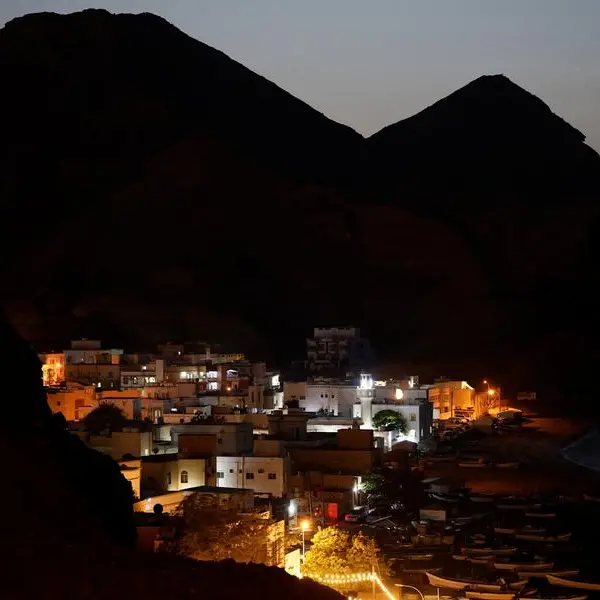
Waili also stressed the importance of heritage regeneration alongside greenfield projects. Muscat’s historic terrain, he said, must be preserved even as the city expands. “Around the world, I have seen projects balance context, culture and contemporary design. We must upgrade places like Muttrah and Muscat so that people live the heritage while experiencing it in a modern way. This will define the next phase of development.”
Offering international context, Marco Tomasi, Director at Formation Architects, presented the ‘Masterplan of London’. He highlighted the city’s diversity of neighbourhoods, its lessons in conservation, and the evolution of planning rules shaped by events such as the 1666 fire. Tomasi argued that urban development must protect identity as much as it delivers new infrastructure. “Conservation ensures that heritage structures are preserved for future generations,” he said. “Our structures are not just about buildings, but also about identity and cultural continuity.” He cited a project where his team built a 31-storey tower beside a preserved Victorian warehouse from World War II, describing it as a balance of innovation and history.
The highlight of the event was an impactful panel discussion, moderated by Jesal Asher Rajda, Executive Director of Al Ansari Group, and featuring Waili, Tomasi and Wael al Lawati, CEO of Muriya. They debated four themes shaping Oman’s urban future: pricing and competitiveness, creating demand, balancing new city growth with the rehabilitation of existing towns, and enhancing connectivity between homes and workplaces.
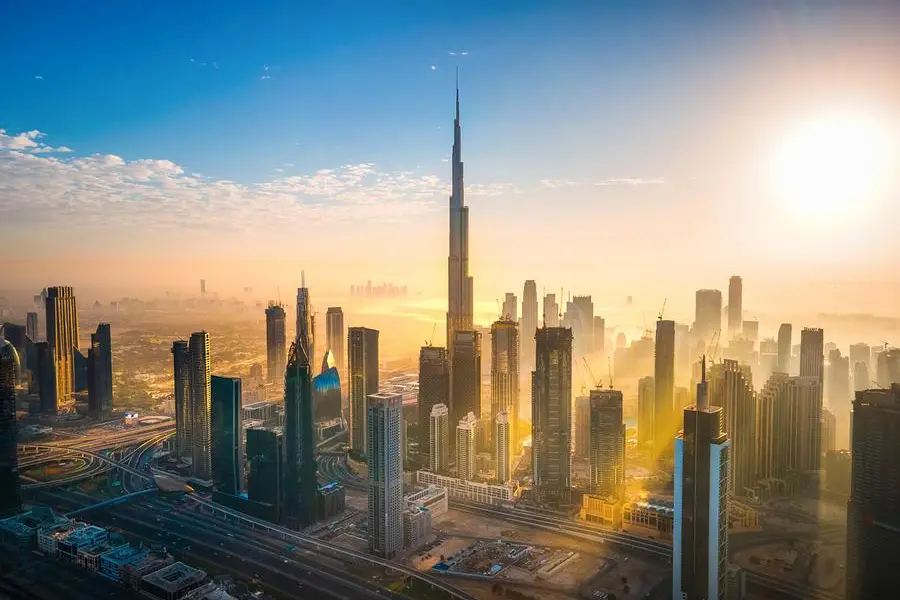
Reflecting on Oman’s real estate trajectory, Lawati recalled the launch of Al Mouj in 2003, when scepticism surrounded the project. “People laughed. They said Oman didn’t need a golf course and questioned who would buy villas for RO100,000. Yet we all know what happened since,” he said. He stressed that while real estate is essential, it is not the sole driver of economies. Pointing to Dubai’s real estate dynamics, he noted the importance of policies like the golden visa scheme, which has altered the link between property and residency. “Demand can be created,” he said. “With the right initiatives and strategies, we can build the conditions that encourage people to invest, live and grow here.”
The event concluded with roundtable discussions across nine groups, ensuring that multiple perspectives shaped the dialogue. Themes of innovation, inclusivity and sustainability ran throughout, reflecting a shared vision of cities that are economically vibrant, socially cohesive, and environmentally resilient.
The forum also marked the formal entry of Formation Architects into Oman’s market through its partnership with Espace Engineering Consultants. The collaboration, combining international design expertise with local execution, is expected to contribute significantly to the country’s evolving built environment.
© Apex Press and Publishing Provided by SyndiGate Media Inc. (Syndigate.info).