PHOTO
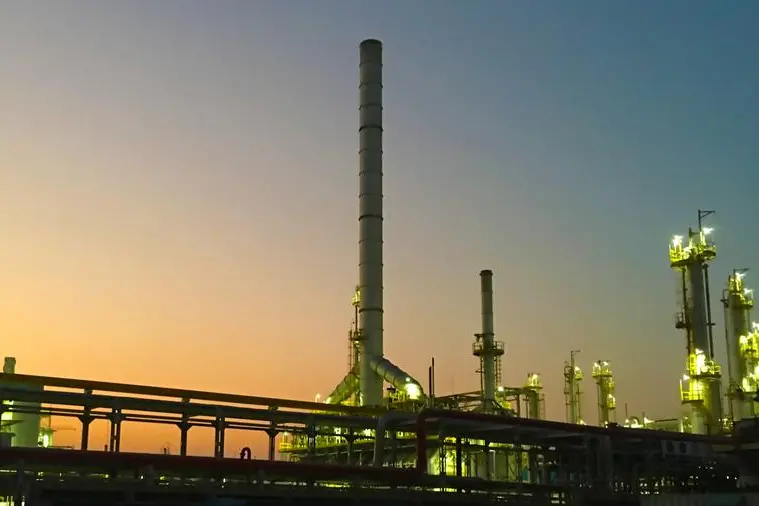
MUSCAT: Having achieved a notable increase in its processing capacity, Duqm Refinery is now embarking on a number of initiatives to optimise value creation from the estimated $9 billion project located in the Special Economic Zone at Duqm (SEZAD) on Oman’s southeast coast.
According to a top official of Duqm Refinery & Petrochemicals Company (OQ8), an upgrade designed to support the production of specification-grade fuels primarily for export markets is on the anvil.
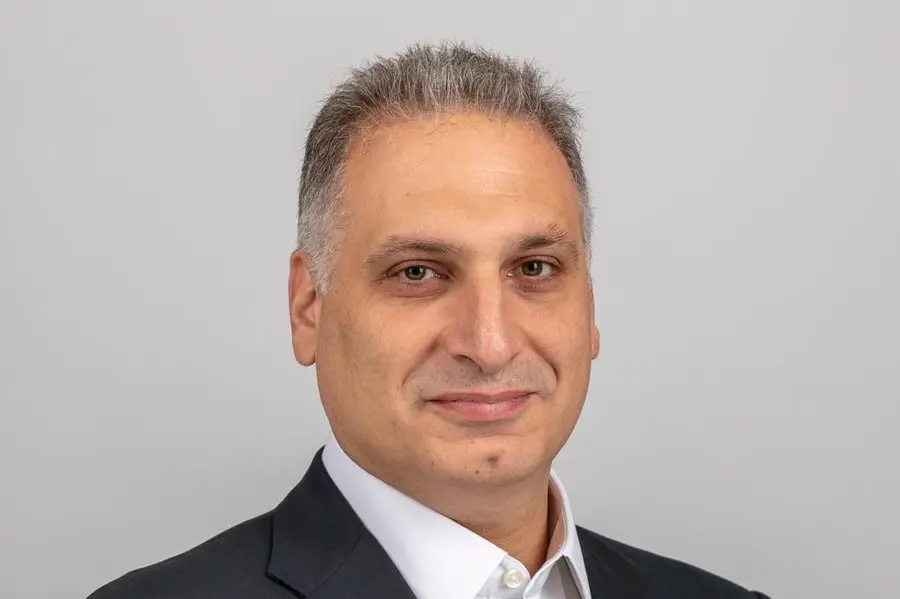
“The next big step is the reformer unit to upgrade naphtha into high-octane gasoline components such as reformate,” said Abdullah Al Ajmi, CEO – OQ8. “We are at the FEED stage, with both Omani and Kuwaiti stakeholders evaluating whether to build it as an integrated element of the refinery,” he added in an interview with The Energy Year, a UK-based business news portal.
The move, experts point out, represents a shift from basic crude processing and initial stabilisation to full downstream value maximisation. With the addition of a reformer unit, Duqm Refinery will begin upgrading low-value straight-run naphtha into high-octane gasoline blendstock (reformate), a critical step in producing finished, specification-grade fuels.
The investment signals that the refinery is advancing toward full operational maturity, improving product slate quality, boosting margins, and reducing reliance on exporting intermediate products. It also indicates readiness to support domestic and export gasoline markets while enhancing integration with future petrochemical and aromatics pathways linked to Duqm’s broader industrial ecosystem.
In addition to the proposed reformer unit, Duqm Refinery is also exploring opportunities to enhance value creation from its refining by-products, notably sulphur and coke.
Al Ajmi explained: “Other opportunities include sulphur and coke, and we have an MoU with a cement plant in Duqm that plans to use our coke by 2028. We are always on the lookout for projects that help us extract value from our outputs and by-products and contribute to the industrial ecosystem.”
The new initiatives come almost a year after the landmark project—the Sultanate’s third major refinery—announced an increase in its processing capacity from its original design of 230,000 barrels per day (bpd) to about 255,000 bpd (roughly a 10% boost) through operational optimisation rather than major new construction.
That capacity increase, the CEO noted, has improved refinery margins at a time of volatility in global product markets. “Supply chain stability, logistical flexibility and geopolitical insulation give OQ8 a unique position in the region’s refining landscape,” he emphasised.
Underpinning this success is its ability to quickly reconfigure processing units and operating parameters in response to global market trends, he pointed out.
“We track global markets closely and adapt fast. For example, when diesel and naphtha margins rose, we diversified our feedstock strategy and started targeting lower-cost crudes that are rich in heavy components that can be converted into middle distillates. This increased our yield of high-value products, especially diesel and naphtha,” Al Ajmi added.
2026 © All right reserved for Oman Establishment for Press, Publication and Advertising (OEPPA) Provided by SyndiGate Media Inc. (Syndigate.info).