PHOTO
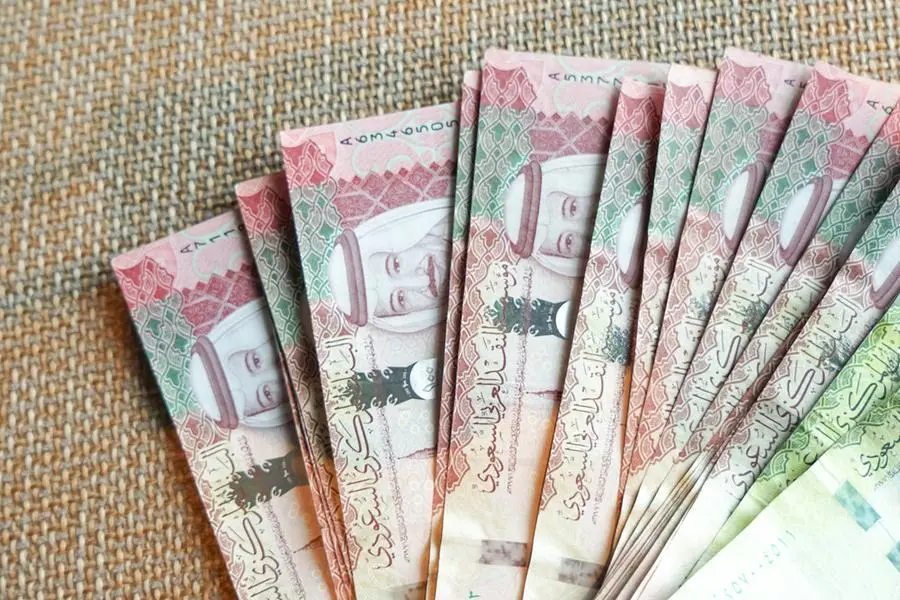
All countries and governments around the world are keen to combat inflation. This is what the Omani government has been doing for many years through the measures taken by the Central Bank of Oman in this regard, as inflation requires continuous control and avoidance over the long term. Inflation is dangerous because it reduces the value of money for individuals and harms local economies. Therefore, countries fight inflation to protect citizens, aiming to stabilise their economic conditions and achieve sustainable development.
Recently, the Ministry of Economy issued a statement regarding inflation in Oman during 2025, explaining that the average inflation rate in the Consumer Price Index was less than 1% during the period from January to November of last year. This represents a moderate path within the target range of the country’s monetary policy. Inflationary pressures remain relatively limited both locally and globally, despite changes in global trade policies and the escalation of tariff impositions due to decisions by the US government. However, these developments cast a shadow of uncertainty amidst concerns that they may lead to higher inflation in the coming period.
Inflation means a continuous rise in prices and a decline in the purchasing power of money. Governments combat inflation to protect citizens’ incomes when prices rise, as people can no longer purchase the same needs with the same income. This particularly affects low-income groups. Another objective is economic stability, as high inflation leads to economic instability and makes future planning difficult for individuals, companies and institutions. Combating inflation also encourages investment, as investors prefer countries with low inflation where profits are clearer and more secure. Moreover, it helps maintain the value of the local currency against foreign currencies and prevents the spread of unemployment and poverty, which otherwise lead to economic recession, the closure of companies and institutions; and an increase in layoffs and unemployment.
The Omani government takes many measures to combat inflation in order to protect citizens’ living standards, so that prices do not rise and negatively affect people’s lives, especially when purchasing basic goods such as food and fuel. However, due to the large volume of imported foreign goods, global inflation can be transmitted into the domestic economy and the government seeks to limit its impact. Oman Vision 2040 aims to achieve economic stability to continue realising sustainable development and long-term growth, as well as to maintain the stability of the local currency, the Rial Omani, in order to control inflation and help citizens preserve the strength and stability of the currency. In addition, reducing inflation supports the private sector and investment by encouraging local and foreign investors to continue their business activities.
From this standpoint, the government works to avoid or limit inflation over the long term by implementing a balanced monetary policy, such as controlling interest rates and regulating the money supply in the market, in addition to increasing local production of industrial and agricultural goods and reducing imports, which helps lower prices. Furthermore, efforts are being made to accelerate the diversification of income sources so that the economy does not rely on a single source of income such as oil, thereby reducing economic shocks. The government also monitors markets, prevents monopolies and promotes financial awareness among Omani families to help them manage their income and spending on goods.
2026 © All right reserved for Oman Establishment for Press, Publication and Advertising (OEPPA) Provided by SyndiGate Media Inc. (Syndigate.info).