PHOTO
In Accra’s sprawling Agbogbloshie dumpsite, young men smash discarded computers with metal rods while others burn cables, sending thick plumes of toxic smoke into the sky.
Thousands of kilometres away, in Nairobi’s Korogocho, waste pickers sift through discarded electronics, lighting small fires to strip copper from tangled wires.
In both cities, survival unfolds amid burning waste, where each spark releases not just metal but a cloud of toxins.
Greenpeace Africa’s E-waste Report 2026 outlines a continent increasingly burdened by discarded electronics. Weak enforcement, rising imports of near end-of-life devices and unsafe recycling practices are driving a growing public health and environmental crisis.“Africa is increasingly becoming a destination for the world’s discarded electronics, much of it hazardous and nearing the end of its life,” said Hellen Kahaso, a project lead at Greenpeace Africa.“Most electronic equipment contains a mixture of materials where about 50 percent is metal, 30 percent is plastic while the remaining portion is glass, ceramics and hazardous substances.”In Ghana, Agbogbloshie, widely regarded as one of the world’s largest e-waste dumpsites, receives hundreds of thousands of tonnes of electronic waste, much of it shipped from Europe, North America and Asia.
Kenya generates an estimated 51,000 tonnes of e-waste annually, according to the report.“Much of Nairobi’s e-waste ends up in Korogocho,” Ms Kahaso said. “The human toll is already evident.”Yet a lot of the waste does not originate locally. Nearly 70 percent of electronics entering the country are imported, often labelled as second-hand goods but already close to disposal.“This means they quickly become waste, adding to the burden on our already limited recycling systems,” Ms Kahaso said.
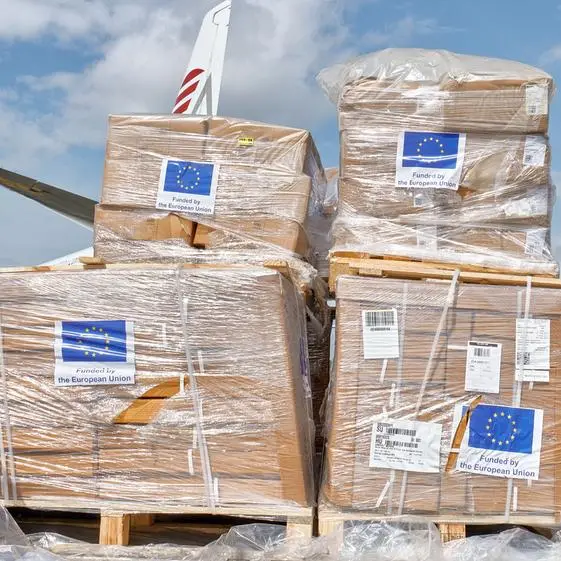
The report describes this pattern as “waste colonialism”, where developed countries export near end-of-life electronics to developing nations.
Hidden tollE-waste is both a hazard and a livelihood for thousands in Ghana and Kenya. Informal recycling sectors have emerged around dumpsites, where workers recover materials such as copper and aluminium.
According to Greenpeace Africa, 61 percent of respondents reported health problems. Of these, 47 percent suffered respiratory complications such as chest pain and breathing difficulties, while 35 percent reported skin infections.“These are people who are constantly exposed to toxic fumes and hazardous materials,” Ms Kahaso said. “They may not always know the exact cause of their illness, but they consistently report health issues linked to their work.”Without protective gear, workers burn cables, dismantle electronics by hand and sometimes use acid to extract metals, exposing themselves to toxins daily.
Electronic devices contain hazardous materials that become dangerous when improperly handled. These include lead, which damages the brain and nervous system; mercury, linked to kidney and neurological damage; cadmium, associated with cancer; and flame retardants that disrupt hormones.
When e-waste is burned or broken apart, these toxins are released into the environment.
Child riskCiting epidemiological research, the United Nations warns that such exposure can lead to long-term health effects, including developmental disorders in children and chronic disease.
Children and pregnant women are among the most vulnerable to hazardous pollutants released from informal e-waste recycling activities.
The World Health Organisation (WHO) warns that exposure to toxic substances from burning and dismantling e-waste can cause serious long-term harm, particularly in developing bodies.
Children are often directly involved in waste picking, exposing them to injury and hazardous chemicals. In some cases, their small hands are seen as an advantage in dismantling components.
The International Labour Organisation (ILO) classifies this as hazardous work, noting that “waste picking is among the worst forms of child labour”.
Exposure to e-waste pollutants has been linked to stillbirth, premature birth, impaired brain development, and learning and behavioural challenges, particularly from substances such as lead and mercury.“Toxic chemicals from e-waste can cross the placenta and even contaminate breast milk, putting fetuses and infants at risk,” the UN said. “Because children’s bodies are still developing, their respiratory, immune and nervous systems are more sensitive to these pollutants, making the damage potentially irreversible and longlasting.“Spreading toxinsThe effects extend beyond dumpsites. Toxic smoke spreads into nearby communities, while heavy metals seep into soil and water, contaminating crops and rivers. Over time, toxins enter the food chain, affecting people far removed from the original source.
The global movement of e-waste is governed by the Basel Convention, a United Nations-backed agreement adopted in 1989. It requires waste to be managed in an environmentally sound manner and mandates prior informed consent before export.
The convention also places responsibility on exporting countries to ensure receiving nations can safely manage the waste, aiming to prevent the transfer of environmental and health risks.
In Africa, the Bamako Convention goes further by banning the import of hazardous waste altogether.
Despite these frameworks, enforcement remains weak.
E-waste is often mislabelled as reusable electronics or donations, allowing it to bypass restrictions. Limited inspection capacity and weak monitoring systems make shipments difficult to track.
“Even with these conventions in place, we still see cases of dumping,” Ms Kahaso said. “When products are exported at the end of their life, that is essentially waste being transferred to countries that are less equipped to manage it.”The result is a gap between policy and practice, where global rules exist but are not fully implemented.
Experts say the risks are preventable.
Fixing systemsSafer approaches include formal recycling facilities with proper technology and worker protections, extended producer responsibility (EPR) to hold manufacturers accountable, repair and reuse systems to extend product lifespans, and accessible collection points to prevent unsafe dumping.“These solutions not only reduce environmental harm but also create safer jobs,” Greenpeace Africa said.
Kenya has introduced policies such as the Sustainable Waste Management Act of 2022 and EPR regulations, requiring manufacturers to take responsibility for the lifecycle of their products.“These laws are in place and Kenya has made progress in developing a regulatory framework,” Ms Kahaso said. “But implementation remains a challenge.”She added that while Producer Responsibility Organisations (PROs) have been established, informal waste pickers, who form the backbone of the system, often feel excluded.“The waste pickers are the ones on the frontlines, yet they feel left out of the system,” she said. “There needs to be better coordination between the government, producers, PROs and the waste pickers to ensure the system works effectively.”Africa’s e-waste problem is set to grow as access to electronics expands.“Without intervention, the volume of waste and its associated risks will increase,” Ms Kahaso warned.
© Copyright 2026 Nation Media Group. All Rights Reserved. Provided by SyndiGate Media Inc. (Syndigate.info).