PHOTO
Across the continent, only a few African countries manage to keep their electricity supply stable and accessible to most of their population. Their progress comes from long-term investment in power infrastructure, a steady mix of energy sources, and consistent policies that support grid expansion.
Contents
- 1. Egypt
- 2. Morocco
- 3. Tunisia
- 4. Algeria
- 5. Gabon
- 6. Ghana
- 7. South Africa
- 8. Botswana
- 9. Kenya
- 10. Senegal
While electricity access is not the same as perfect reliability, it remains one of the strongest indicators of a functioning power system. Many of these countries have spent decades improving transmission lines, expanding rural access, and diversifying their energy mix to keep the lights on.
Below are the top ten performers across the region.
1. Egypt
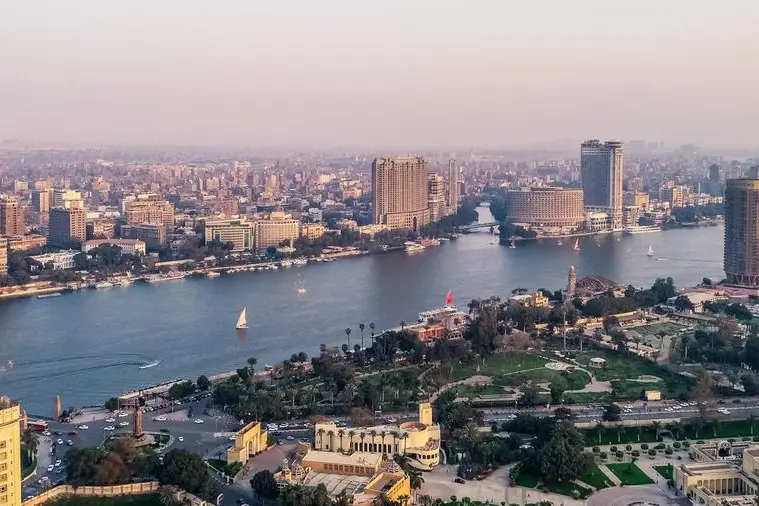
Egypt leads with almost full national electrification. The country has spent years expanding its grid and strengthening generation from hydro, thermal, and natural gas sources. This commitment to both transmission and distribution helps the country maintain a steady power supply.
2. Morocco
Morocco also records 100 percent electricity access, covering both rural and urban communities. Its major push into solar and wind energy has played a big role in strengthening supply and reducing pressure on traditional energy sources.
3. Tunisia
Tunisia is the third country on the list with complete national coverage. Although natural gas has been the backbone of its power system for years, newer policies are encouraging a gradual increase in renewable energy to support long-term stability.
4. Algeria
Algeria reports about 99.8 percent national access. A strong reliance on natural gas, backed by steady grid maintenance, has kept the system running across most parts of the country.
5. Gabon
In Central Africa, Gabon stands out with about 91.6 percent access, while urban areas enjoy close to full coverage, but rural areas still lag. Hydropower and natural gas continue to support supply in major cities.
6. Ghana
Ghana records around 85.9 percent electricity access nationwide. Over the years, the country has widened its grid coverage, especially in urban centres. Its power generation comes from hydropower, gas, oil, and other sources, helping the system stay relatively stable.
7. South Africa
South Africa remains one of the continent’s most structured power markets with an access rate of around 84.4 percent. Issues such as ageing infrastructure and load shedding still pose challenges, but the country’s large generation capacity and regulatory framework keep it among Africa’s top performers.
8. Botswana
Botswana’s national electricity access is about 72 percent. Urban areas are far more connected than rural communities. The country continues to expand the grid and explore wind and solar power to reduce supply gaps.
9. Kenya
Kenya has made steady progress, reaching about 71 percent access. Its energy mix is one of the most diverse in Africa, including geothermal, hydropower, wind, and solar. Expanding rural electrification and mini-grids remains a priority.
10. Senegal
Senegal completes the list with electricity access around 70 percent. The country has continued to modernise its grid while adding more solar and wind projects. These efforts are gradually improving supply in key communities.
Copyright © 2022 Nigerian Tribune Provided by SyndiGate Media Inc. (Syndigate.info).