PHOTO
Residential prices nationwide are projected to grow between five and 15 percent in 2026, with outcomes varying sharply by market tier, Nigeria’s Residential Real Estate Report has said.
According to the report by the CEO/Lead Housing Analyst, Nigeria Housing Market, Babatunde Akinpelu, prime urban districts are expected to see moderate, stable appreciation of between five per cent and 8 per cent
The report stated that middle-income urban areas have been projected to outperform national averages of 8 per cent to 12 per cent.
“Emerging suburban and infrastructure-linked zones are likely to record the strongest growth (10-15%),” the report read.
It pointed out that the rental markets would remain under severe pressure.
He noted that rent levels have adjusted sharply upward over recent years and are unlikely to reverse in 2026.
Key drivers of the segment, according to the report include chronic housing shortages, rapid household formation, income growth lagging population growth, and strong investor preference for rental yield assets
The report noted that rental inflation remained structurally disconnected from headline inflation.
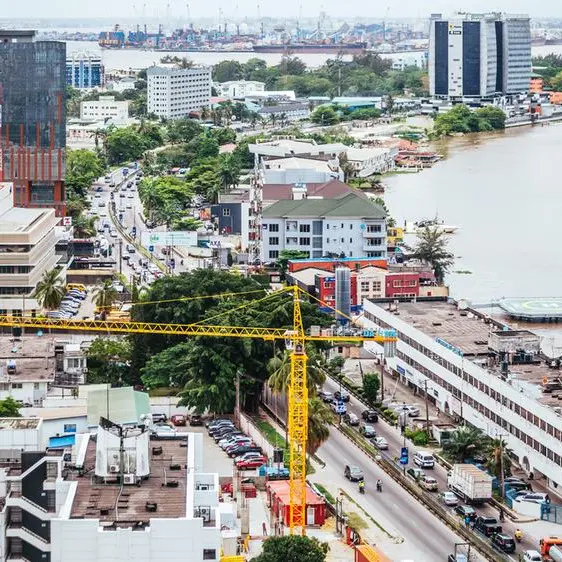
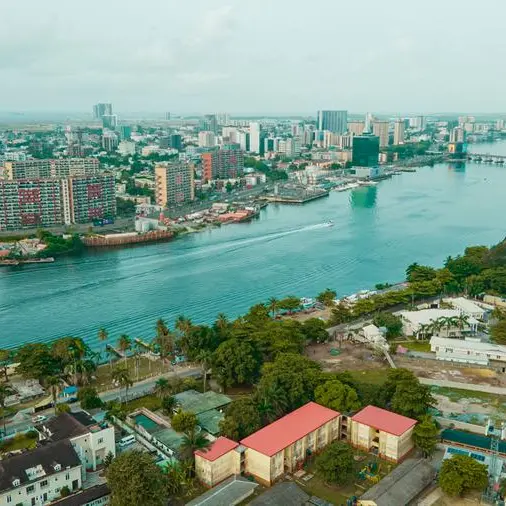
On Lagos residential market outlook, the report said that the city has remained Nigeria’s most dynamic and constrained residential market.
According to the report, demand for housing pressure would remain extreme, driven by population density, economic concentration, and limited land availability.
Market characteristics, according to the report, include severe housing undersupply, strong diaspora participation, high land acquisition costs, and infrastructure-driven expansion.
“Lagos’ growth corridors are Lekki to Epe axis, mainland rail and transport corridors, and emerging waterfront and peri-urban zones,’” it read
Unlike Lagos, the report said, “Abuja presents a more structured and less volatile residential market, anchored by government, diplomatic, and institutional demand.”
It listed planned urban structure, larger plot sizes, government-anchored demand base as Abuja‘s market characteristics, while growth focus areas included the expansion districts adjacent to prime zones, middle-income satellite towns, and long-term land banking corridors.
“Infrastructure investment is the single most important determinant of residential value creation in Nigeria.
“Infrastructure impacts include reduced commute times, expansion of viable residential zones, increased investor confidence and higher rental absorption,” it read
The report identified three pricing scenarios that will define the 2026 outlook: “Base Case: Gradual macro stability with continued urban demand Upside Case: Improved currency stability and policy execution. Downside Case: Macroeconomic or political disruption.”
It added that residential investment opportunities in 2026 would vary by risk and return profile.
“Nigeria’s residential real estate market in 2026 will be defined by selective growth, infrastructure alignment, and affordability tension.
“Structural demand remains intact, but performance will increasingly concentrate in locations where infrastructure, employment access, and income realities intersect.
“For investors, developers, and policymakers, success in 2026 will depend on disciplined market segmentation, risk management, and long-term positioning rather than speculative activity. The opportunity remains substantial, but it will reward strategy over sentiment,” the report read
Copyright © 2026 Nigerian Tribune Provided by SyndiGate Media Inc. (Syndigate.info).