PHOTO
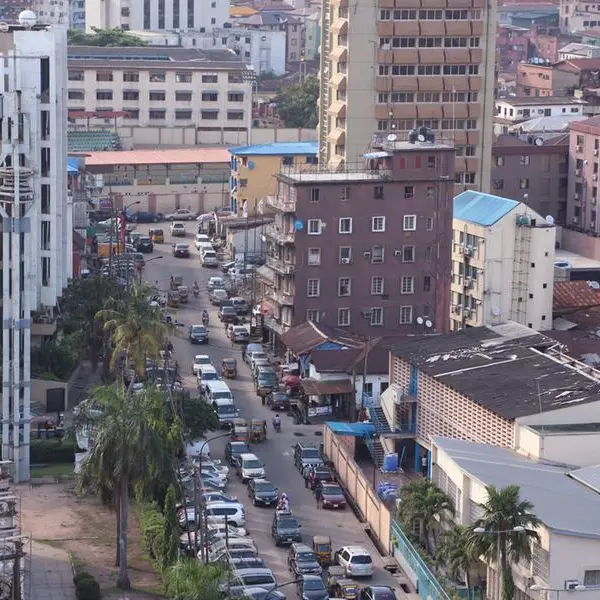
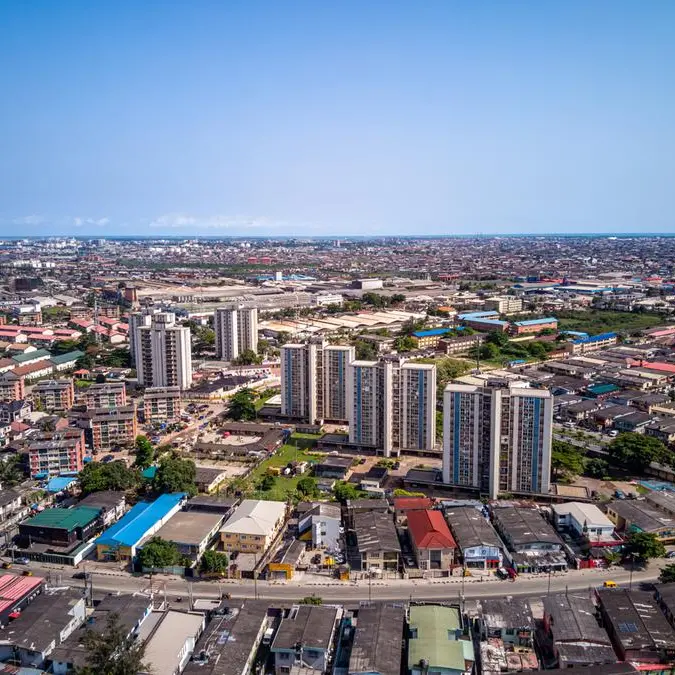
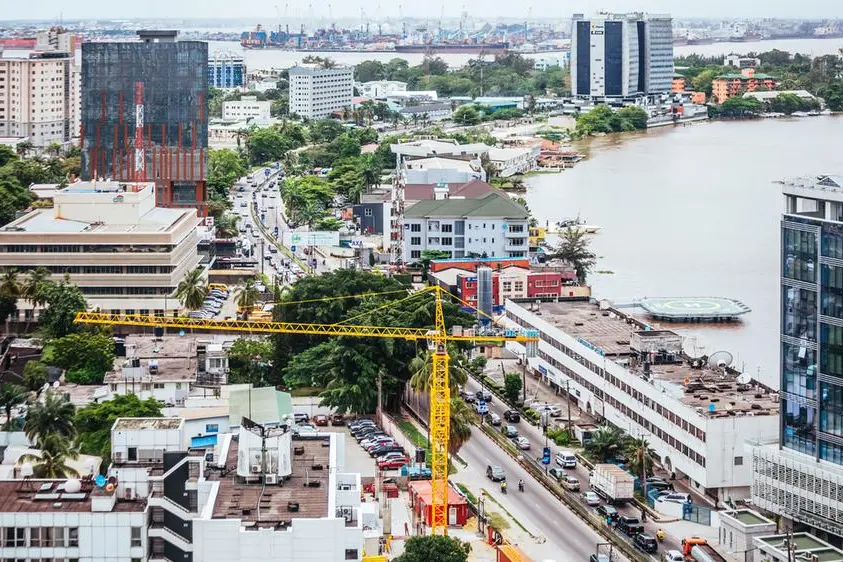
Despite the projected market volume of $2.25 trillion, more than 60 percent of new residential development in Nigeria is concentrated in Lagos, Abuja, and Port Harcourt.
According to the Founder/Senior Partner, Samson Agbato Consulting, Dr. Efuwape Agbato, these new housing constructions are being driven by a high rate of urbanisation, infrastructure development and institutional inefficiencies.
As a result, he said the three cities have been booming with rapid population growth and high urbanisation rates, driving up the demand for home.
Apart from being large urban centres, he added that the cities are complex, have different property market ecosystems, with each with its own demand drivers, investment profiles, legal frameworks, and spatial dynamics.
The real estate consultant said the rapid urbanisation has led to a growing demand for housing at approximately 4.3 percent annually, with cities like Lagos, Abuja, and Port Harcourt experiencing significant population insurges.
Agbato, who was represented by the Senior Partner, Olalekan Aboderin Consulting, Lekan Aboderin, during the Association of Town Planning Consultants of Nigeria’s Professional Development workshop in Lagos, noted that the real estate market is growing steadily, driven by rapid urbanisation, population growth, and rising demand for residential, commercial, and industrial properties.
According to him, Lagos, Abuja, and Port Harcourt have become key hubs for high-rise residential, office, and mixed-use developments, while logistics and warehousing sectors are expanding to support e-commerce and trade activities.
He noted that each city presented a distinct market structure shaped by its economic base, governance, and spatial history.
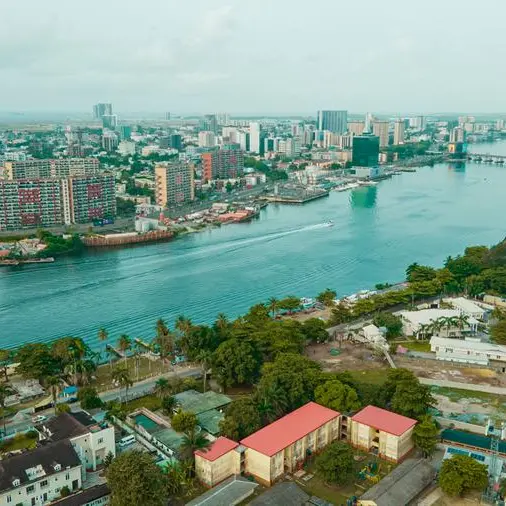
Taking a cursory look at the urban property market dynamics, he said that Lagos’ prime areas such as Ikoyi, Victoria Island, and Banana Island are dollar-denominated, serving high-net-worth individuals, expatriates, and institutional investors.
He pointed out that those areas constrained prime land plus surging construction costs have been creating a scarcity premium, with Diaspora remittances totalling $20.93 billion in 2024, representing an 8.9 percent increase from the previous year, as Nigerians living abroad channel funds into real estate.
“Mid-tier markets in Lekki, Ajah, and Yaba serve a growing middle class, while peripheral markets in Ibeju-Lekki, Epe, and Ikorodu represent emerging investment frontiers,” he said.
Unlike Lagos, Agbato said that Abuja, the country’s political capital, is structured around a master plan where infrastructure often precedes urbanisation, especially in central neighbourhoods.
According to him, housing demand relies heavily on federal civil servants, diplomats, international organisations, and an expanding upper-middle class.
“A house in Abuja trades for an average of around N182 million, with very large gaps between diplomatic districts and peripheral areas. Unlike Lagos, where land anarchy and “Omo Onile” complicate securing titles, Abuja benefits from a more centralised land regime through the capital authority and a digital cadastre via AGIS.
“Abuja is the only major Nigerian city developed from scratch using land use planning strategies, making it a potential role model for planned urban expansion, though land use planning is challenged by insufficient data availability.”
Recognising the fact that Port Harcourt’s property market structure is fundamentally shaped by oil industry cycles, Agbato pointed out that Oil City is, a GDP exceeding $21 billion, attracting oil and gas executives, expatriates, and increasingly tech startups.
“Prices average around N55 million for a house, with sought-after areas like the Government Residential Area (GRA) and Trans Amadi commanding significantly higher values. When oil revenues are high and expatriate populations expand, the high-end residential market booms. During downturns, vacancy rates in premium stock rise sharply, creating cyclical volatility unlike any other major Nigerian market,” he said
He listed location and accessibility, infrastructure, zoning and planning designations, speculative investment and macroeconomic issues as determinants of land values in Lagos, Abuja and Port Harcourt.
“Despite deep structural challenges including a housing deficit estimated between 22 and 28 million units, limited access to mortgage financing, and persistently high construction costs, the fundamental drivers of population growth, urbanisation, and scarcity ensure that urban property markets in Nigeria will remain intensely active investment environments for the foreseeable future,” the real estate expert said.
Copyright © 2026 Nigerian Tribune Provided by SyndiGate Media Inc. (Syndigate.info).