PHOTO
Kenyan tea exporters are counting losses as tea worth $23 million remains at the Mombasa auction for the third week now as a result of the Israel/US-Iran war.
The situation is exacerbated by the closure of the port of Salalah in the Arabian Sea, which serves as a key sea transport hub that connects many of the tea destinations, including Pakistan, the United Kingdom, and several countries across Europe.
Last year, Kenya lost the Iran and Sudan tea markets over geopolitical disputes and the ongoing conflicts in the two countries heightens fears of continued losses.
East African Tea Trade Association managing director George Omuga told The EastAfrican that every week the tea sector losses about 2-3 million kilos of tea meant for export to the Middle East.
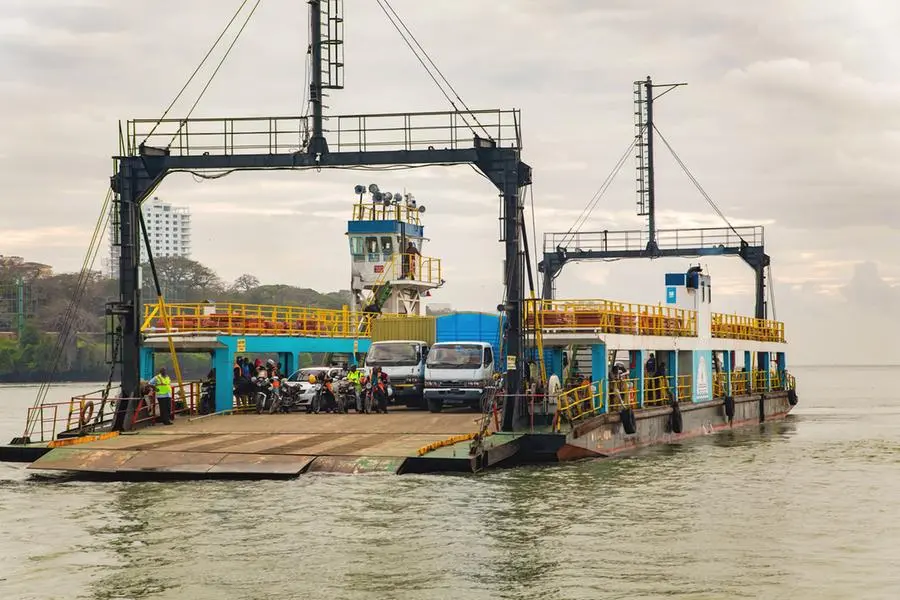
He said the closure of the Strait of Hormuz has led to a number of vessels cancelling their trips to Mombasa while others have had to take longer routes to Kenya, causing delays.“We export about 20-25 percent of our teas to the Middle East, and we have lost the market due to the ongoing conflict. Some 8-10 million kilos of tea worth more than Ksh3 billion ($23.12 million) are held in warehouses and at the port of Mombasa since the conflict began,” Mr Omuga said.“The situation has been complicated further by the sudden closure of the Port of Salalah following an attack on March 11 after several drones struck its fuel storage tanks. The Port of Salalah is where the consolidation of our tea exports is done before it is dispatched to Iran, Egypt, Pakistan, UAE, Russia and even to Britain,” said Mr Omuga.
There are fears that Kenya will not be able to ship its tea to the major markets, which hurts hundreds of farmers affiliated to the Kenya Tea Development Agency (KTDA).
Thushara De Sliva, managing director Empire Kenya EPZ, said a lack of vessels is delaying exports.“We used to clear our cargo within 2-3 days, but now it's taking longer, as ships are taking more time to reach the port of Mombasa while others have cancelled their trips,” he said.
The war, now in its third week, was triggered after the United States and Israel attacked Iran, which also resorted to attacking US and Israeli interests in several Gulf States. Iran further closed the Strait of Hormuz, paralysing the shipping through the region.
Kenya Export Promotion & Branding Agency (Keproba) CEO Floice Mukabana said Kenyan exports are hardest hit by the war, with tea, coffee and meat exports stranded at the port, adding that the time has come for Kenyan producers to seek alternative markets in Africa.“The ongoing conflict in the Gulf region, which has led to the closure of key maritime routes, is a wake-up call for Kenya to invest more in intra-Africa trade,” Ms Mukabana said.
© Copyright 2026 Nation Media Group. All Rights Reserved. Provided by SyndiGate Media Inc. (Syndigate.info).