PHOTO
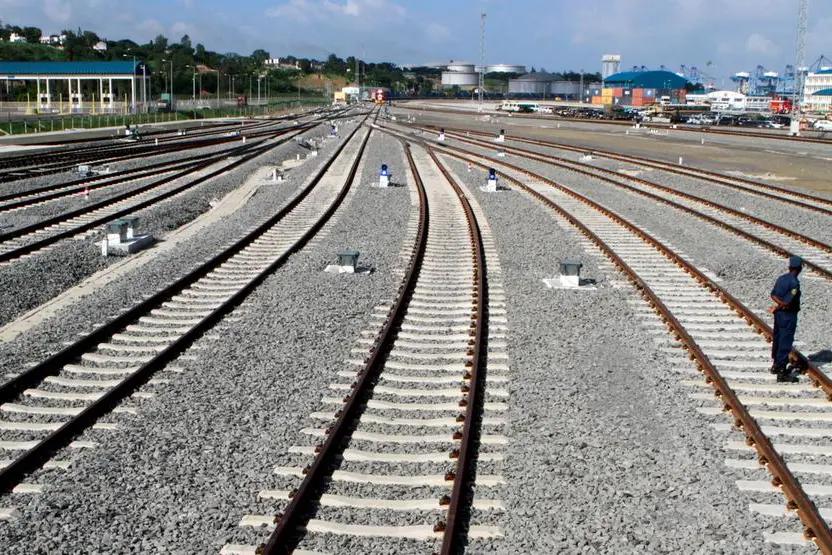
NAIROBI - Kenya will on Thursday restart a multi-billion-dollar railway extension that was financed through revenue securitisation, reviving a project that has been stalled for over six years after initial lending from Beijing dried up.
The railway’s first section, linking the port of Mombasa to Nairobi, was completed in 2017. But after China slashed funding for large African infrastructure projects under its Belt and Road Initiative, the project stalled near the Rift Valley town of Naivasha, more than 350 km short of reaching the Ugandan border and delaying a planned cross-border link to boost regional connectivity and commerce.
Critics have said the stalled project had become a symbol of China's debt trap diplomacy, with Beijing extending large, often opaque loans to a poorer country for infrastructure projects - though that is a claim rejected by the Chinese government.
Last year, Kenya and China renegotiated terms of the loans used to construct the first two phases to cut annual repayments for Nairobi.
NEW FINANCING MODEL
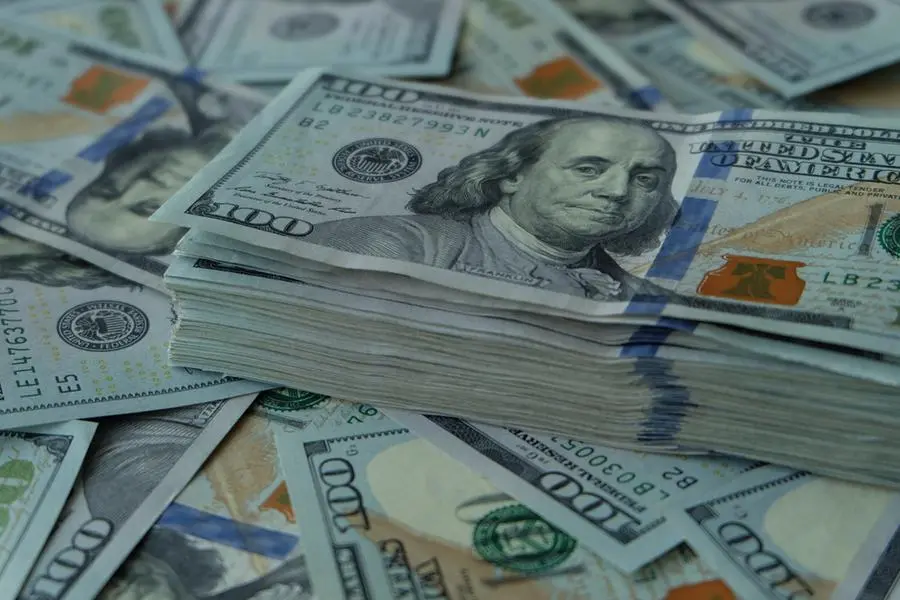
Kenya changed its legislation to allow for use of the bulk of a railway development levy charged on cargo carried on the existing line and estimated at 35 billion shillings ($270.27 million) as seed money for the construction of new phases.
State firm Kenya Railways did not respond to questions on the extension's total cost or the deal structure.
There is still Chinese involvement, however, with government-owned China Road and Bridge Corporation being a contractor, Kenya Railways said.
The deal has been made possible by an agreement between African leaders and China at a 2024 Beijing summit to focus on investments rather than debt, said analysts.
"Following the heavy propaganda in regard to the debt burden, particularly from the West, China and Africa discussed a new model based on investments to sustain the level of building infrastructure," said Peter Kagwanja, a Nairobi-based international relations expert who specialises in China ties.
OUT OF ROOM TO BORROW
In 2019, after pumping billions of dollars into infrastructure projects, China began to slash lending to Africa amid growing worries over debt sustainability.
At the 2024 summit, Beijing moved to reposition itself, on the continent, pledging $50 billion in credit and investments over three years. Kenya and two Chinese firms are already building a $1.5 billion highway expansion under the new financing model.
The financing setup is also beneficial for Kenya given it has little room to borrow or space to raise cash through taxes.
President William Ruto's administration has been turning to securitisation of some revenue streams to generate cash for infrastructure, since debt repayments gobble up a huge share of its annual revenue, and an attempt to increase taxes led to deadly riots in 2024.
Ruto will launch the construction at a ceremony near the Rift Valley town of Naivasha later in the day.
($1 = 129.5000 Kenyan shillings)
(Reporting by Duncan Miriri; Editing by David Gregorio)