PHOTO
Ethiopia’s ruling Prosperity Party has placed access to the sea at the centre of its political agenda, reviving a sensitive regional debate and rattling neighbours in the Horn of Africa.
The party of Prime Minister Abiy Ahmed this week circulated a futuristic map illustrating Ethiopian maritime access, with ships shown delivering goods to ports located between Eritrea and Somaliland. Ethiopians, it said, have made it “unequivocally clear that they will not accept a future defined by unjust landlockness.”“Ethiopians’ demand for maritime access is legitimate, just and irreversible,” the party said.
Eritrea reacted sharply, dismissing the move as “reckless and deplorable.” Yemane Gebremeskel, Eritrea’s government spokesperson and information minister, accused Addis Ababa of advancing a dangerous narrative.“The toxic propaganda pendulum oscillates from provocative gimmicks of incorporating… Eritrea's sovereign coastal lands in photoshopped Ethiopian maps in flagrant breach of international law, to playing ‘victimhood’ by couching and legitimising their illicit quest for sovereign access to the sea ‘in self-defence’ terms when addressing their external audiences,” he said.
Ethiopian officials argue that borders drawn after Eritrea’s secession in April 1993 failed to account for Ethiopia’s historical interests and prior access to the Red Sea.
Dr Abiy has claimed there is “no official record or institutional decision” defining the current Ethiopia–Eritrea border. Addressing the House of People’s Representatives on October 28, 2025, he said Addis Ababa must confront the “gap in the historical and legal record.”“Ethiopia’s loss of sea access was not decided by the cabinet, parliament, or the public through any legal or consultative process,” he said.
Some Ethiopian historians have gone further, arguing that ancient Abyssinian territories extended into parts of modern-day Somalia, claims Somali politicians have dismissed as revisionist.
Expanding economyFor now, the Prosperity Party insists it is pursuing access through peaceful means, saying it favours “diplomacy rather than coercion.” Yet PM Abiy has previously suggested that force could not be ruled out.
For decades after Ethiopia lost the port of Massawa to Eritrea, maritime access remained largely absent from political debate, despite unresolved disputes over secession and border demarcation. That has changed as Ethiopia’s economy has expanded to become one of Africa’s fastest-growing.
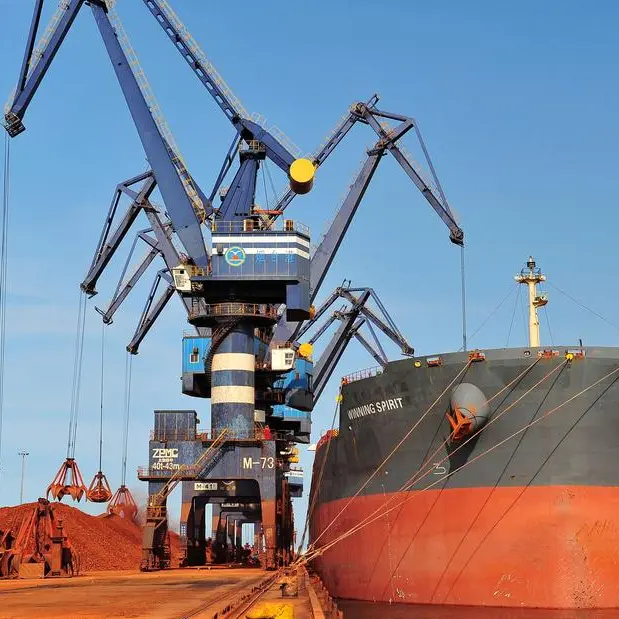
Ethiopia relies almost entirely on Djibouti’s port for its imports, paying transit fees that have risen fivefold since the early 2000s to about $5 million a day.
The Prosperity Party says the country’s trade “depends overwhelmingly on external ports, imposing high costs and structured economic constraints.”Dr Amare Kenaw, lead researcher and director-general for Middle East Research Affairs at Ethiopia’s Institute of Foreign Affairs, argues that a national port would reduce costs and vulnerability.“Sea access is a critical engine for a nation’s long-term development because it facilitates trade transactions, lowers import-export transit costs, limits strategic security vulnerabilities, and strengthens regional security integration and cooperation,” he wrote.“Ethiopia, despite its historical ties to the Red Sea, has faced limited economic development due to its recent landlocked status, resulting in economic unrest and increased vulnerability to escalating national and regional security threats.”Security anxietiesIf commercial efficiency were the sole concern, Ethiopia might already have resolved the issue. Kenya, Djibouti and Somalia have previously offered port access, while Somalia proposed that Ethiopia develop and use four undeveloped ports. Political changes, however, stalled those initiatives.
Dr Amare argues that Ethiopia’s renewed push reflects broader security anxieties in the Horn and the Red Sea.“The recent push for sea access in the Red Sea region is a response to these growing vulnerabilities,” he said.“As a major economic and military power in the region, Ethiopia’s access to the sea may benefit the region more than Ethiopia itself by facilitating trade connectivity and regional security cooperation.”Uganda’s questThe debate has echoes elsewhere. Uganda’s President Yoweri Museveni, whose country is also landlocked, has likened sea access to a shared right.“Uganda is like a house perched on the upper floor of a storied house. Such a house has a right to the compound just like other floors,” he said last year.
Mr Museveni argued Uganda is “entitled to access the Indian Ocean” and warned that “future wars” could arise if the issue remains unresolved. His son, Muhoozi Kainerugaba, the chief of the Uganda People’s Defence Forces, later joked that he would be ready to deploy troops to secure access if ordered.
Kenya responded by reassuring neighbours of “shared progress that recognises peace as a prerequisite to development,” naming Uganda, Tanzania, Somalia and South Sudan.
© Copyright 2026 Nation Media Group. All Rights Reserved. Provided by SyndiGate Media Inc. (Syndigate.info).