PHOTO
Kenya and Tanzania may have been traditional rivals when it comes to port business. But some things had stayed intact, such as the routes other countries use to import. South Sudan, for instance, has been using Mombasa port largely because of the shorter distance, compared Tanzanian facilities.
But that may be changing after Juba chose to diversify its trade routes and reduce reliance on the Northern Corridor for which Mombasa Port is the anchor.
Since December, South Sudan has followed deals with Tanzania to use Dar es Salaam and Tanga ports to serve as primary terminals for its imports and exports after integrating revenue systems of the two countries due to the increasing cost of handling cargo from Mombasa to Juba. Actually, it still means South Sudan will use part of the Northern Corridor, but will avoid Mombasa.
Already, the South Sudan Revenue Authority (SSRA) has secured designated land at the ports of Dar es Salaam and Tanga in Tanzania to serve as the main terminals for handling cargo following the signing of a joint communiqué between the SSSRA and the Tanzania Revenue Authority (TRA). After a bilateral meeting held in Tanzania on January 22, 2026, the two sides said they will follow through and implement operations.
The meeting also agreed on a cross-border trade facilitation programme, and a digital system integration aimed at curbing tax evasion and ensuring cargo reaches its destination without diversion or interference.
The agreement was signed by the Commissioner General of the SSRA, William Anyuon, and his Tanzanian counterpart, Commissioner General Yusuoh Juma.
Mr Anyuon said the port of Dar es Salaam will officially serve as the main entry point for South Sudan-bound cargo, alongside the port of Tanga.
Competitive advantageBy establishing dedicated terminals in Tanzania, South Sudan seeks to diversify its trade routes, reduce the risks associated with a single port corridor, and capitalise on Tanzanian ports' competitive advantages, such as longer free storage periods. This reasoning on Juba’s side means that distance alone will no longer determine which port to use.
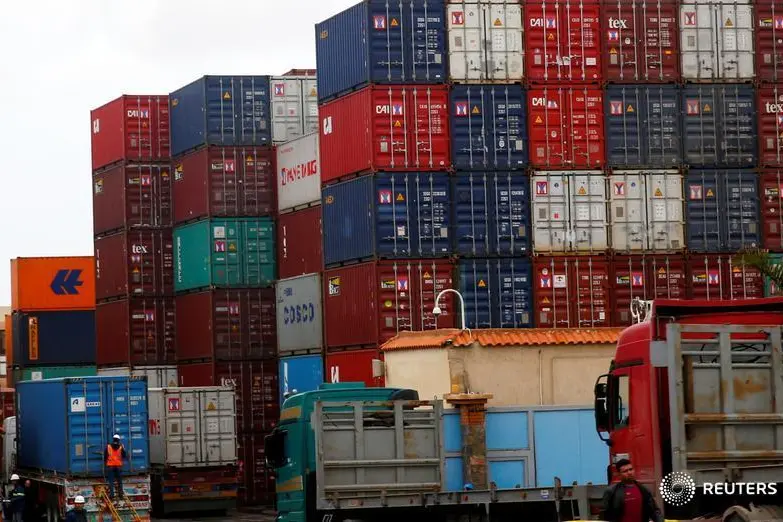
Mombasa has been plagued with congestion for the last three months, causing delays for commodities such as tea and coffee from the region. Some traders opt for air deliveries as others notify customers of the delays.
South Sudan isn’t the only country using Tanzania as a bargaining chip for better business. Uganda and Tanzania have recently entered MoUs to secure better export-import business via Dar and Tanga.
Both countries are building a crude oil pipeline, which itself was the subject of haggling between Kenya, Uganda and Tanzania before Kampala eventually settled on doing it with Dodoma over Nairobi. Recently, they announced plans to construct link railway line to boost movement of goods.
Each of these countries now have a choice on whether to use the Northern Corridor through Kenya or Central Corridor through Tanzania. But it also signals intent to choose efficiency over distance and cost. The push is also fuelled by the need for secure supplies, with Kenya’s political environment around election time often problematic. In the past, Ugandan traders lost business after Kenya’s post-election violence in 2008. They later sued the Kenyan government and won compensation claims in court.
The South Sudan Business community in Mombasa Chairman Emmanuel Kachuol said Dar es Salaam port will be the country’s second alternative port due to its incentives. However, he said there are still a number of issues that need to be resolved to secure cargo to Juba.
Mr Kachuol said the distance between Juba and Dar es Salaam remains a problem despite the incentives being offered.“Mombasa port is South Sudan's preferred port at the moment, where 80 percent of the cargo passes through, but with low tariffs and reduced freight costs through the use of waterways, many traders are being enticed to use Dar es Salaam port,” said Mr Kachuol.“The partnership with TRA and SSRA, which includes digital system integration once completed, will assist in curbing tax evasion and ensuring cargo reaches its destination without diversion or interference.”Despite South Sudan receiving 10 hectares of land from Kenya to build a dry port in Naivasha to help ease congestion at the Port of Mombasa, reduce delays, and lower import costs, high tariffs and other logistic costs are pushing Juba towards using Tanzanian ports.
South Sudan’s previous dependence on the Port of Mombasa in Kenya also elicited high costs, delays, and operational disputes. Kenya recently introduced a $5,000 security levy per container destined for Juba, which South Sudanese officials are criticising as an unfair burden, especially compared to $1,500 charged to Uganda.
Kenya and South Sudan tried negotiations on the deal to lower the cost, but the lack of Juba’s commitment to return empty containers on time stalled the talks.
Persistent congestion at Mombasa port which has been witnessed since June last year, with a backlog of 20 ships as of February this year, has hampered efficient cargo clearance and prompted traders to explore more reliable alternatives.
Trade disruptions occurred late last year when Kenyan clearing agents suspended handling Juba-bound cargo in protest against a new maritime release fee of $3,580 introduced by the SSRA, which also further complicated transit logistics, forcing Juba to seek an alternative route.
There has been an increase in business between South Sudan and Tanzania via Dar es Salaam, with bilateral trade reaching $10.1 million in 2024, driven by tobacco, sorghum, and petroleum gas which grew from $2.03 million in 2019, representing a 37.7 percent annual increase, according to TRA's latest data.
South Sudan’s exports to Tanzania grew significantly by 948 percent over the last five years, reaching $127,000 in 2024, primarily in ropes and machinery.
© All Rights Reserved. Provided by SyndiGate Media Inc. (Syndigate.info).