PHOTO
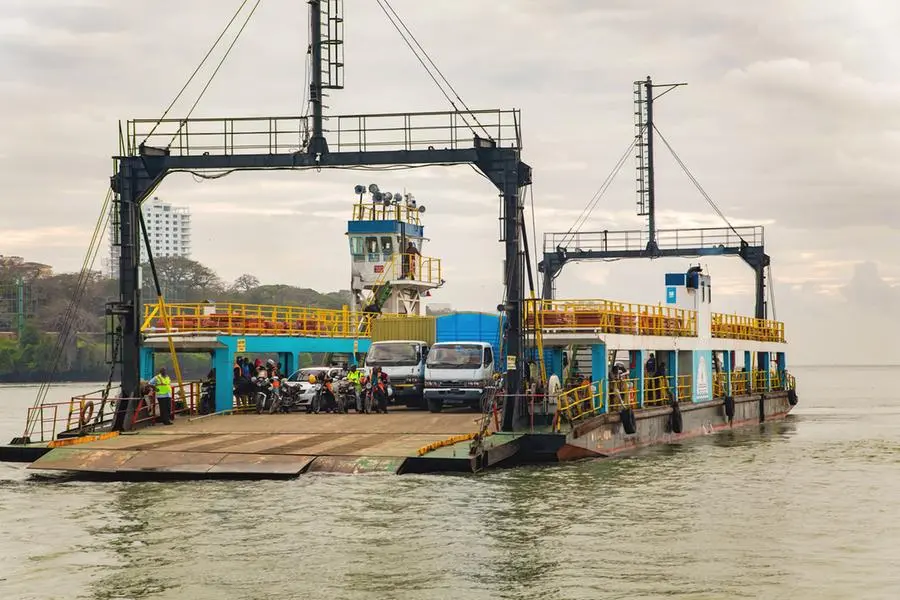
Severe congestion at the Port of Mombasa is threatening East Africa’s coffee trade, with global supplier Sucafina warning of missed shipments and rising costs. The company says truck delays and customs bottlenecks have disrupted cargo handovers, leaving vessels stranded and supply chains at risk of prolonged disruption.
In its weekly business report, the company cautioned that if congestion persists and customs processing does not stabilise soon, regional supply chains—particularly in the coffee sector—could face prolonged disruption and rising costs.“The Port of Mombasa is currently experiencing severe congestion, causing delays in berthing vessels and offloading import containers, slowing ship turnaround, and creating a backlog in container handling operations. Vessels calling at the port are facing extended waiting times before berthing and discharging imports,” the report stated. The warning adds to frustrations by tea traders who have opted for alternative means to export their commodity and avoid missing out on delivery deadlines.
In its week seven report, the firm added that the customs system overhaul has particularly affected border operations along the Kenya–Uganda crossing, where container clearance times have risen sharply.
Lengthy truck queues have been reported on both sides of the border, compounding delays along the Northern Corridor, a critical trade route serving landlocked countries in the region.“These disruptions have led to longer transit times and delays in truck allocation. The ongoing bottlenecks are likely to trigger a shortage of available trucks and containers in the coming weeks, as equipment becomes tied up in extended turnaround cycles. The ripple effects will inevitably affect shipments not only in Kenya but also across Uganda, Rwanda, and Burundi,” the report added.
The company warned that with cargo movement slowing at the port and along inland corridors, exporters and importers across East Africa are bracing for continued logistical strain, which could result in prolonged disruption and higher costs.
Earlier in February, Kenyan packaged tea exporters resorted to air transport as an alternative following congestion at Mombasa, incurring heavy costs but pushed to avoid contract termination in the United Kingdom (UK) if they deliver late.
Tea Buyers Association chairman Peter Kimanga said exporters opted for air freight to avoid being categorised as “unreliable suppliers” in the UK market. He noted that dealers are paying $2 per kilo to transport tea to the UK compared with $0.25 by sea, making costs unbearable.
Failure to supply on time risks Kenya being labelled an irregular supplier, jeopardising future tea sales.“We need to protect the UK market after losing the Sudan and Iran markets. Beyond commodities, we are also struggling to import packaging materials, some of which have been stuck at Mombasa for more than three weeks due to congestion,” Mr Kimanga said.
With more than 500 empty containers left on trucks daily awaiting offloading due to limited space at the six Empty Container Depots, shipping lines are paying over $38,497 a day for unattended vessels.
Since October last year, Mombasa Port has faced delays, with about 20 vessels waiting at any given time, as disputes continue over responsibility for the inefficiency.
© Copyright 2026 Nation Media Group. All Rights Reserved. Provided by SyndiGate Media Inc. (Syndigate.info).