PHOTO
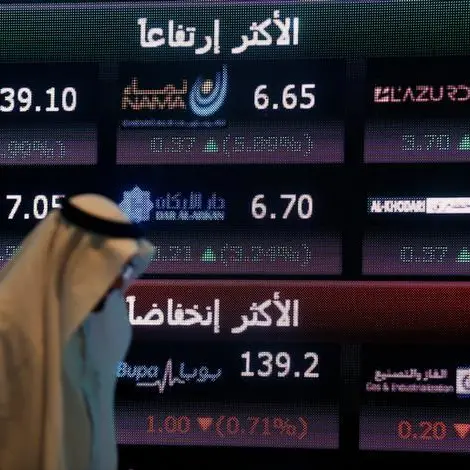
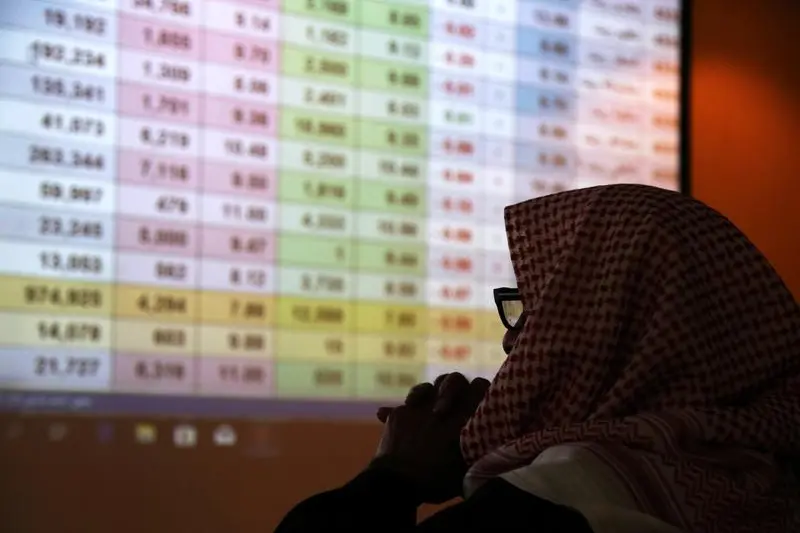
Gulf stock markets closed mixed on Thursday, as investor sentiment was weighed down by uncertainty surrounding the evolving regional geopolitical situation and profit-taking.
The United States is pulling some personnel out of military bases in the Middle East, a U.S. official said Wednesday. That came after a senior Iranian official said Tehran had warned neighboring countries it would target U.S. bases if Washington launches strikes.
Saudi Arabia's benchmark index dropped 1.2%, snapping a six-day winning streak, with Al Rajhi Bank losing 1.6%. However, broadened foreign participation rules triggered the recent rebound, additional market reforms could translate into increased foreign inflows, while new state-owned firms' IPOs could draw new investments, said George Pavel, general manager at Naga.com Middle East.
Among other losers, oil behemoth Saudi Aramco eased 0.7%.
Oil prices, a catalyst for the Gulf's financial markets, tumbled more than 3% after U.S. President Donald Trump said killings of demonstrators during protests in Iran were ending, easing concerns over military action against Iran and potential oil supply disruptions.
The Qatari index declined 1.3%, hit by a 2% fall in Qatar Islamic Bank.
Dubai's main share index finished flat, while the Abu Dhabi index was up 0.2%. According to Pavel, the earnings season has the potential to reinforce the positive fundamental narrative, but its impact is constrained to a certain extent by the trajectory of oil prices and the regional geopolitical risk.
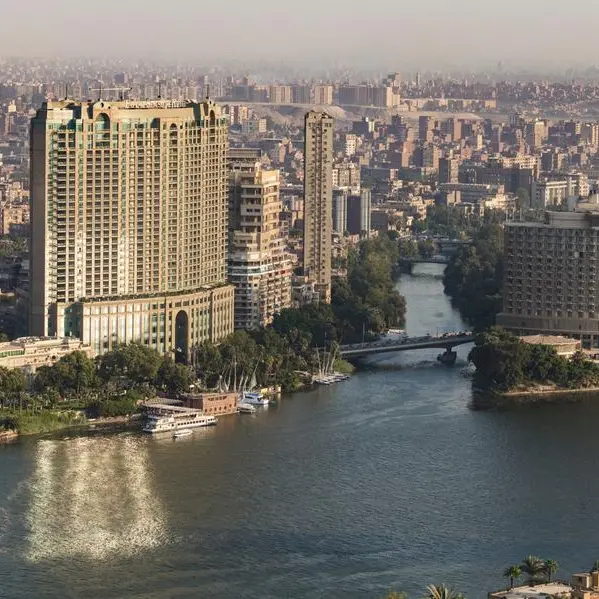
Outside the Gulf, Egypt's blue-chip index gained 0.7%, with Commercial International Bank advancing 3.4%.
- Saudi Arabia dropped 1.2% to 10,818
- Abu Dhabi added 0.2% to 10,057
- Dubai was flat at 6,262
- Qatar declined 1.3% to 11,068
- Egypt gained 0.7% to 43,347
- Bahrain closed flat at 2,045
- Oman rose 0.7% to 6,224
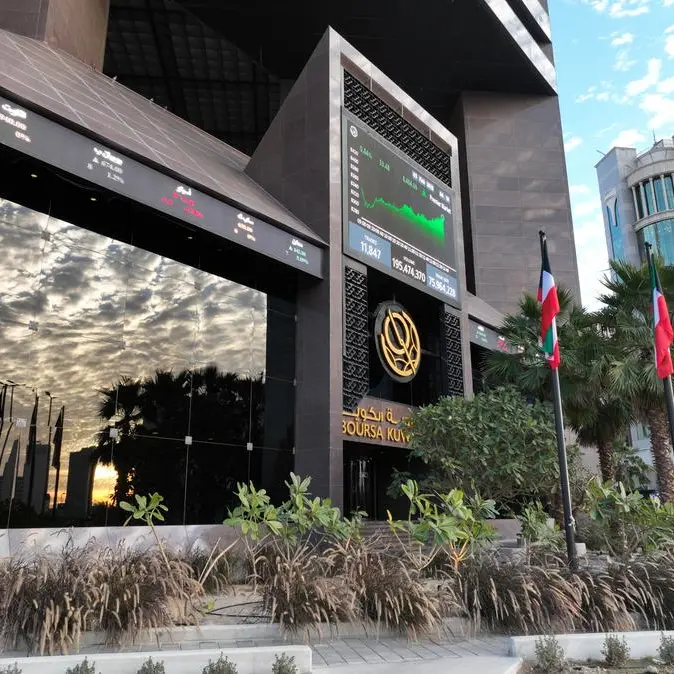
- Kuwait lost 0.7% to 9,352
(Reporting by Ateeq Shariff in Bengaluru; Editing by Sharon Singleton and Shilpi Majumdar)