PHOTO
Airline stocks in Asia and Europe extended losses on Tuesday as the U.S. and Israeli air war against Iran escalated, with carriers monitoring fuel price spikes and many seeing a surge in bookings as passengers switch from Middle Eastern airlines.
Qantas Airways CEO Vanessa Hudson said the airline had "pretty good" fuel hedging in place but the spike in oil prices was significant for the industry. The Australian airline's shares fell for a second day, closing down 1.8%.
Oil prices have surged amid the widening Middle East conflict, up roughly 30% so far this year, potentially driving up the cost of jet fuel and hurting airlines' profits.
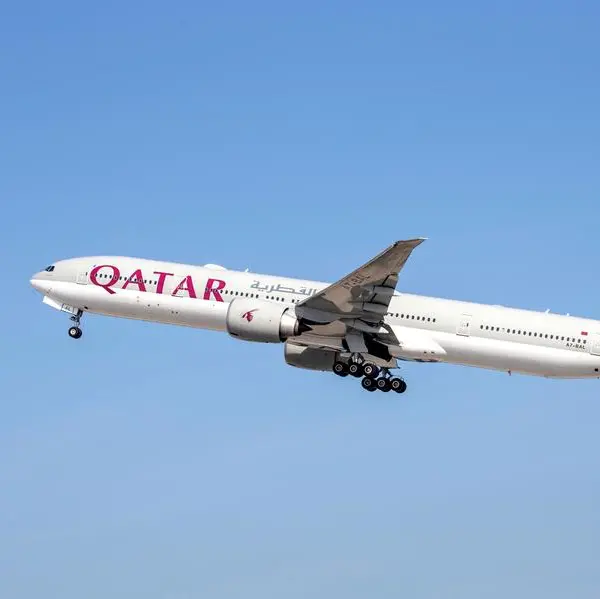
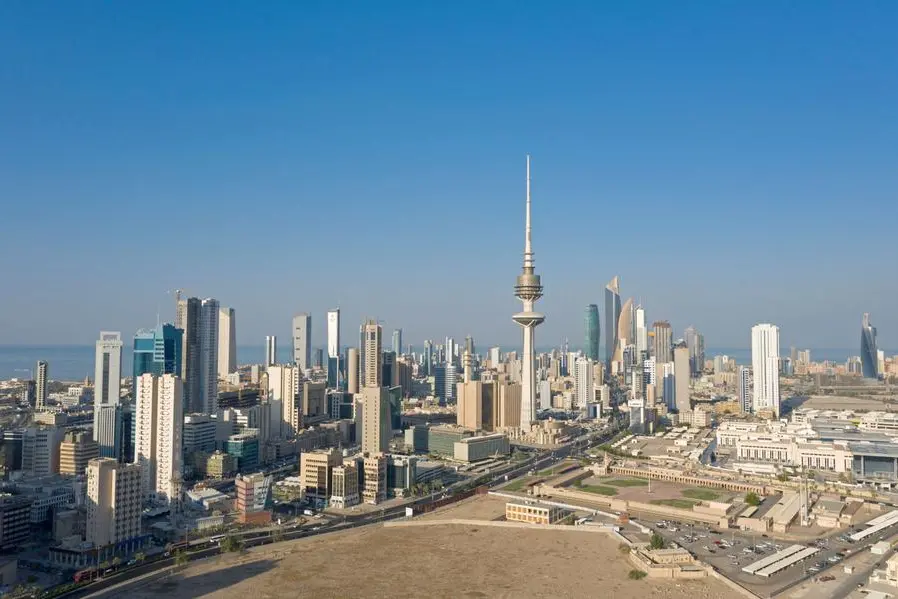
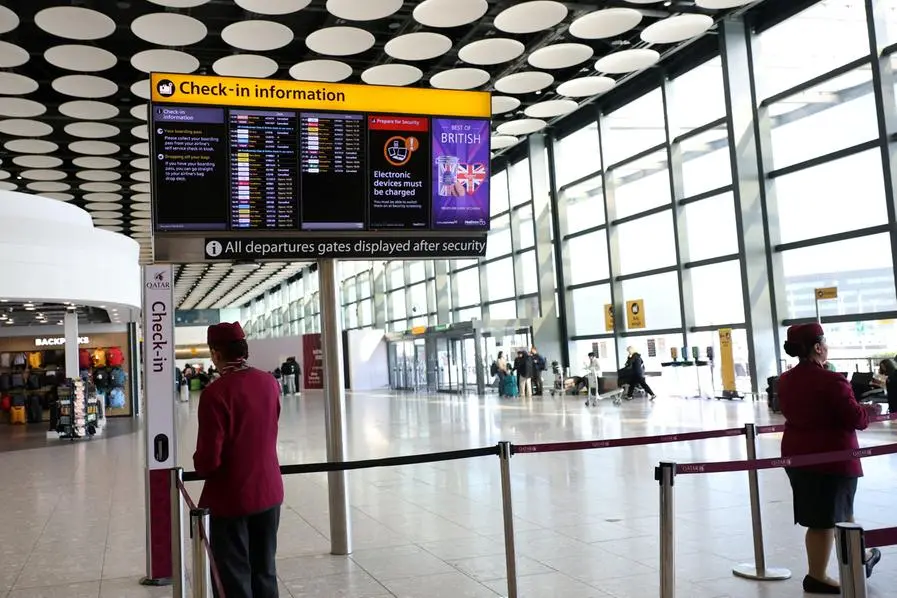
Major Gulf hubs, including the world's busiest international airport Dubai, which usually handles over 1,000 flights a day, remained closed for a fourth day due to the conflict. That has left tens of thousands of passengers stranded.
"It's pretty well the biggest shutdown we've seen certainly since the COVID pandemic," said Paul Charles, CEO of luxury travel consultancy PC Agency.
"I think in the short term, the biggest impact is a loss of many hundreds of millions of dollars, if not billions of dollars, in terms of the lack of cargo and the loss of cargo going into the region and out of the region."
Qantas said last week it had 81% of its fuel hedged for the second half of its financial year ending June 30, while Singapore Airlines and Hong Kong's Cathay Pacific Airways are among the other Asian carriers that have fuel hedging programmes.
Japan Airlines Chief Financial Officer Yuji Saito said on Monday the carrier planned to adjust its fuel surcharge for international flights, but did not provide a timeframe.
In the domestic market "since there is no surcharge, we're offsetting part of the price spike through hedging," he told reporters.
Shares of Japan Airlines closed down 6.4%, their biggest drop since April 2025. Korean Air Lines dropped 10.3% after resuming trade following a public holiday on Monday, its biggest drop since March 2020. Cathay Pacific shares closed down about 3%.
Shares of major Chinese carriers Air China, , China Eastern Airlines, and China Southern Airlines, all closed down between 2% and 4% in both the Hong Kong and Shanghai markets.
Taiwan's China Airlines closed down 3% while EVA Air closed down 2.5%.
In Europe, shares of Wizz Air and British Airways owner IAG both fell about 5%.
The CEO of Australia's biggest investment bank Macquarie Group, Shemara Wikramanayake, said on Tuesday the conflict appeared likely to affect the availability of oil, as well as the cost.
"There is going to be a deliverability issue there," said Wikramanayake, whose company is one of the world's largest traders of oil and gas.
FINANCIAL IMPACT VARIES BY AIRLINE
Uncertainty over how long the conflict will last is likely to force travellers to cancel or reschedule travel plans.
With Russian skies mostly off limits to Western airlines since the Ukraine war started in 2022, carriers are now squeezed even further with the closure of flight corridors over the Middle East, forcing many to add more flying time and fuel to circumvent war zones.
The search for alternatives to Gulf airlines has led to a surge in bookings and ticket prices on routes like Hong Kong-London, according to Reuters' checks of carriers' websites on Tuesday.
The operational and financial impact varies significantly among airlines, said Karen Li, J.P. Morgan's head of Asia infrastructure, industrials and transport research.
"There are important differences across carriers in terms of hedging strategy, air cargo exposure, and network rerouting capabilities that will shape the actual impact from the Middle East situation," Li said.
Li expects "investors will increasingly differentiate between airlines based on these factors as the situation evolves, rather than treating the sector as a monolith."
($1 = 1.4094 Australian dollars)
($1 = 7.8210 Hong Kong dollars)
($1 = 6.8805 Chinese yuan renminbi)
(Reporting by Byron Kaye in Sydney, Hina Suzuki in Tokyo, Julie Zhu in Hong Kong, Sophie Yu in Beijing, Samuel Shen and Winnie Zhou in Shanghai, Ben Blanchard in Taipei, Roushni Nair in Bangalore and Joanna Plucinska in London; Writing by Anne Marie Roantree; Editing by Jamie Freed and Mark Potter)