Wednesday, Apr 21, 2010
   By Bradley Davis
   Of DOW JONES NEWSWIRES
NEW YORK (Dow Jones)--The euro fell Wednesday as worries persisted over debt-laden Greece, even as the International Monetary Fund and European Union began meeting with the cash-strapped country to hammer out details on a possible bailout plan.
The common currency fell to a near-two-week low as the yield on 10-year Greek government bonds reached a record level compared with German bunds, the euro-zone standard bearer. The euro's slide was driven more by doubts about long-term financing of Greek debt and investor reluctance to embrace risk rather than any new developments.
"The moves appear exaggerated," said Todd Elmer, currency strategist with CitiFX in New York. "The risks are building for a bounce in the euro if the assistance comes through."
One factor that contributed to the common currency's losses on the day is the struggle euro-zone officials face in convincing investors that an eventual bailout plan is feasible.
"It will be fairly difficult for policy makers to impress markets at this point," said Vassili Serebriakov, foreign exchange strategist at Wells Fargo in New York. "We've had this succession of commitments, announcements and even announcements of specific sums of money of potential aid, and it really failed to have a long-lasting impact on the market," he said.
Meanwhile, currencies closely tied to global growth, such as the Canadian and Australian dollars, slipped after U.S. stocks wavered and oil prices ticked lower. Any time uncertainty clouds markets and demand for riskier assets subsides, the yen and dollar tend to benefit as temporary safe harbors.
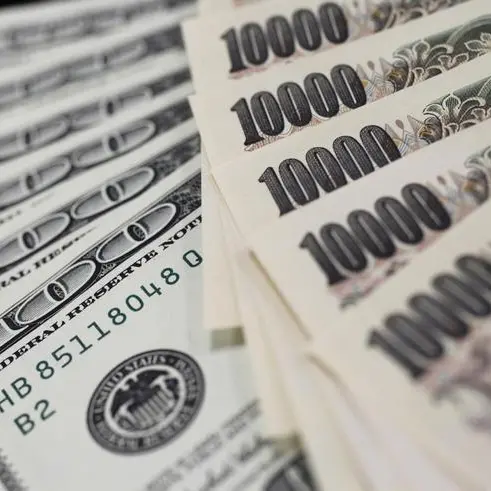
Late Wednesday, the euro was at $1.3393, down from $1.3445 late Tuesday, according to EBS via CQG. The dollar was at Y93.19, up marginally from Y93.15, while the euro was at Y124.82, down from Y125.23. The U.K. pound was at $1.5408, above $1.5372. The dollar was at CHF1.0702, up from CHF1.0682.
The ICE Dollar Index, which tracks the greenback against a trade-weighted basket of currencies, was at 81.212, up from 81.208.
The latest troubles for the euro and Greek bonds reflect concerns that European authorities will be unable to act quickly on an aid accord reached earlier this month. The E.U. and the IMF have pledged a total of EUR45 billion to Greece, but the structure and conditions of any bailout remain unclear. Greece is due to repay EUR8.5 billion in bonds that mature on May 19, and the government is weighing how to present a decision to the public that the country will seek financial aid from the E.U. and the IMF.
So far, Greece hasn't requested activation of any relief measures, but the current discussions in Athens involving the E.U., IMF and Greek government are seen as a first step in that direction.
"The euro is likely to trade with a downward bias until the debt talks are over," said Jessica Hoversen, fixed-income and foreign-exchange analyst at MF Global in Chicago.
To see the euro's moves against the dollar, please see:
http://dowjoneswebservices.com/chart/view/3863
Meanwhile, the pound gained after the number of U.K. jobless benefit claimants fell more than the market had anticipated. The news added to positive comments from the latest Bank of England minutes, released at the same time, suggesting that some monetary policy committee members are concerned about a recent rise in inflation, which could lead to policy tightening sooner than investors had expected.
The Canadian dollar slipped slightly on falling oil prices, but held near parity with the U.S. dollar, one day after the Bank of Canada hinted at the possibility of a June interest-rate increase. The U.S. dollar was at C$1.0009, up from C$0.9993 late Tuesday.
Elsewhere, the Russian ruble hit a 16-month high against a basket of dollars and euros, buoyed by oil prices and the possibility that the country's year-long monetary easing cycle may soon end. The ruble traded at 33.56 against the basket, rising 0.2%. This translated into the euro slipping to a fresh 16-month low at 39.05 rubles.
With the ICE Dollar Index slightly higher, Deutsche Bank's PowerShares U.S. Dollar Index Bearish exchange-traded fund was down 0.23% from late Tuesday, while its PowerShares U.S. Dollar Index Bullish was up 0.21%. The two exchange-traded funds are based on Deutsche Bank currency futures indexes, whose composition mirrors that of the ICE's Dollar Index.
-By Bradley Davis, Dow Jones Newswires; 212-416-2654; bradley.davis@dowjones.com
(Karen Johnson and Don Curren in Toronto and Ira Iosebashvili in Moscow contributed to this article.)
(END) Dow Jones Newswires
April 21, 2010 16:23 ET (20:23 GMT)