Wednesday, Sep 06, 2006
DUBAI, United Arab Emirates (AP)--America's Arab Gulf allies are pledging billions to rebuild Lebanon after 34 days of Israeli bombing in hopes of blunting the Iranian-backed Hezbollah's growing influence in the region.
It's not just roads and bridges the Gulf states seek to repair. The Sunni Arab regimes want to bolster the Lebanese government so the Shiite Hezbollah doesn't commandeer Lebanon's reconstruction.
"Hezbollah is being seen to have won this war," said Tom Pepper, a Lebanon expert with the London-based Middle East Economic Digest. "People in the Gulf do not have any love for Hezbollah. They're very keen to see the government is in charge of reconstruction and is very well funded to do this."
Beyond the deaths of 855 Lebanese and 159 Israelis, the war that began July 12 devastated what promised to be Lebanon's best economic performance in a decade.
Total estimated damage to Lebanon's economy, including losses from tourism, exports and sales, runs between $9 billion and $16 billion - a huge blow to a yearly economy valued around $22 billion, said Marwan Barakat, head of research at Beirut's Bank Audi.
Lebanon's economy had been predicted to grow by as much as 6% this year but now is expected to shrink 6.2%, said Monica Malik, an economist with Standard Chartered Bank in Dubai.
Just clearing the rubble will take months. Destroyed bridges, roads and public infrastructure will take years to fix, Barakat said.
Lebanon is endowed with well-heeled friends. Last week, donors from the Gulf, Europe and North America pledged $940 million at a conference in Sweden - nearly double the amount sought.
Among the donors, the Gulf state of Qatar gave $300 million, the United States offered $230 million and the European Union pledged $54 million.
That money comes on top of other aid from Gulf countries, where sympathy for the Lebanese plight still runs strong. Saudi Arabia offered $500 million and Kuwait pledged $300 million, and the two countries together deposited a further $1.5 billion in Lebanon's central bank to stabilize the economy.
When all the relief is tallied, including millions in private donations, Barakat said Lebanon is nearing the estimated $3.6 billion in direct damage.
"The aid will cover almost all of the direct damage," Barakat said by telephone from Beirut.
Much of the emergency aid will be used to clear unexploded Israeli bombs, shelter the homeless and restore social services. Another conference is planned this year for long-term reconstruction aid.
Disdain for Hezbollah appears to be a shared interest between Gulf Arabs and Israel. But the guerrilla group has already jump-started rebuilding efforts, offering initial cash payments of up to $12,000 for families who lost their homes, while the Lebanese government has said its access to construction materials is being held up by Israel's sea and air blockade.
In Kuwait and Saudi Arabia, there are fears Hezbollah's humanitarian campaign will further boost its stature. That's one reason Gulf countries are funneling contributions through the Lebanese government, Pepper said.
The Gulf also harbors a financial interest in a quick Lebanese comeback.
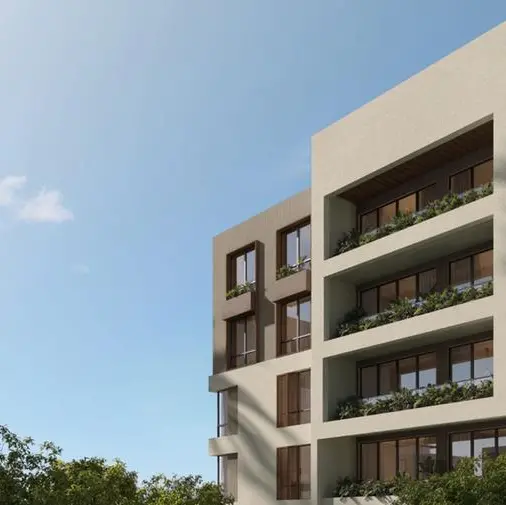
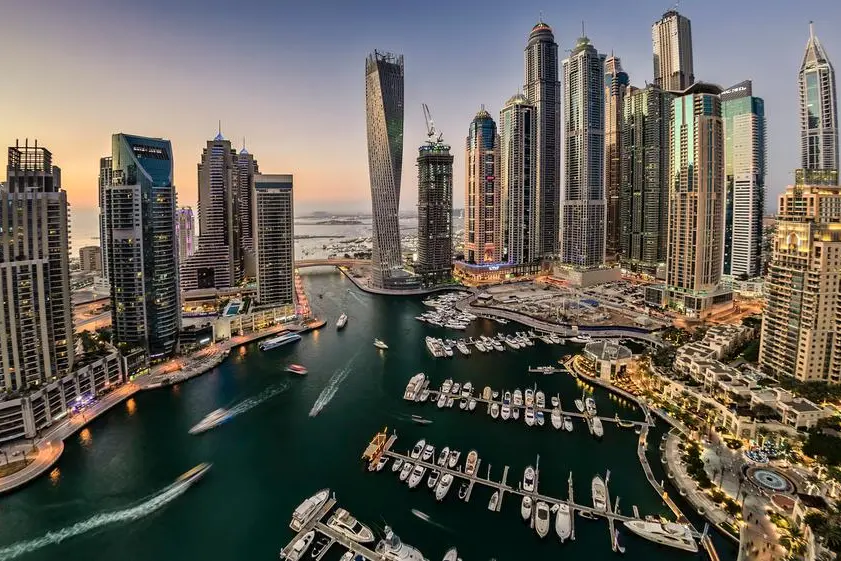
Companies in Kuwait and the United Arab Emirates have invested nearly $2 billion in real estate projects. In many cases, unbuilt high rise apartments and luxury villas have already been sold, often to Gulf Arabs seeking summer homes in Lebanon's cooler climate and liberal lifestyle.
"The role of the Gulf states has been absolutely critical in the aid stage," Malik said. "When international investors come back, I'm sure Gulf investors will be the leaders."
If peace holds, Standard Chartered Bank forecasts 7% GDP growth in Lebanon next year, Malik said.
Several huge projects were announced or started before the war, and await resumption including several international hotels. They include:
- a 27-story, $150 million tower dubbed "La Residence by Ivana Trump" being developed by Dubai-based DAMAC, which is said to be moving ahead;
- the $600 million Beirut Gate development of eight high-rise towers overseen by Abu Dhabi Investment House, also in the United Arab Emirates, which is expected to break ground soon;
- and the $1.1 billion Phoenician Village overseen by a Kuwaiti-led holding company, al-Dhow, which has decided to put the project on hold and reimburse buyers until stability returns, the Beirut Daily Star reported Wednesday.
Also planned are three residential projects by Dubai Islamic Bank's Deyar Development, including four high-rise towers in Beirut valued at $65 million.
(END) Dow Jones Newswires
September 06, 2006 15:28 ET (19:28 GMT)
Copyright Dow Jones Newswires 2006