Antique pieces showcased at Souq Waqif Ramadan exhibition
DOHA - A unique historical show dubbed ''Treasures of Islamic Art' will open at the Souq Waqif today at 9pm.
The event organised by Waqif Art Center (WAC), will run throughout Ramadan.
Sponsored by HSBC, the exhibition will showcase antique pieces of Islamic art that date back as far as the Ottoman Empire. It seeks to pay homage to a rich aesthetic tradition "that transcends distances in time and space, as well as differences in language, culture, and creed."
"In addition to being a fitting way to celebrate Ramadan, we hope that this show will highlight the vast artistic tradition from where today's contemporary Middle Eastern artists can draw inspiration. The antique pieces that you will find in our galleries have been sourced from as far as the Sub-Sahara to Iran and beyond. This is a highly dynamic art that was produced in lands under Islamic rule or influence and is often marked by strong regional characteristics as well as by significant influences from other cultures, so it really has something to offer everyone." said WAC director, Tariq Al Jaidah.
The Centre's galleries will be transformed into a veritable museum of Islamic art, exhibiting a diverse range of meticulously handcrafted cultural and historical antique pieces and reproductions. Central to the show will be ornate Calligraphy Manuscripts, usually considered one of the most important and pervasive element in Islamic art.
"Calligraphy has always been considered the noblest form of art because of its association with the Holy Qu'ran, which is written in Arabic. This preoccupation with beautiful writing extended to all arts - including secular manuscripts as well those applied to metalwork, pottery, stone, glass, wood, and textiles, which can also be found in the exhibition'', added Al Jaidah.
The calligraphy manuscripts on display consist of Hadith (sayings of the Prophet, peace be upon him) and versus from the Qu'ran. Some of the works have social significance, describing living conditions as far back as 200 years or portraying various public ceremonies such as a typical weddings held during the Ottoman era. Although Islamic art was generally the work of anonymous artists the exhibition also futures the craftsmanship of well known calligraphers including Mohamed Assem, a disciple of Hafez Fahmy Effending, Mohamed Abdel Hamid from Turkey and Mohamed Al-Atef Senna.
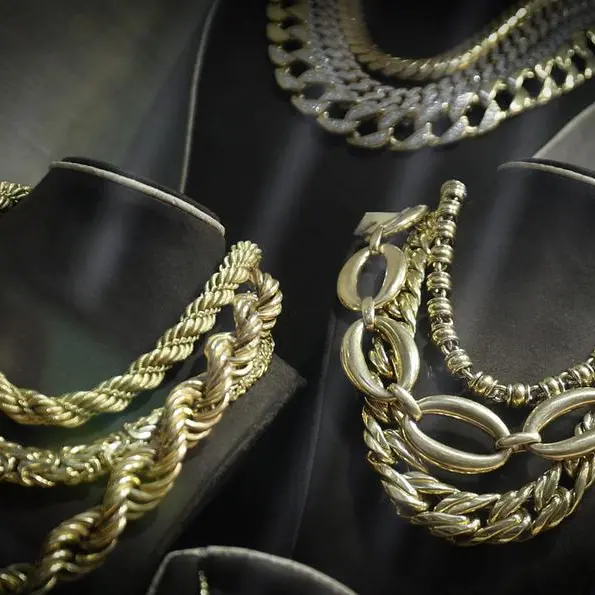
One gallery will be devoted to displaying a range of beautifully embroidered prayer rugs. Woven in wool or rich silks the rugs express national and regional traditions that revolve around colours, styles, and patterns. WAC's jewellery store, silver and gold will also be showcasing prayer beads in a variety of different semi precious stones, including tiger-eye, turquoise and amber.
Other highlights will include Arabic textiles; incense burners engraved with moulded brass and silver from Syria, lanterns adorned with intricate arabesques designs and lemon wood boxes and wardrobes inlayed with mother of pearl.
© The Peninsula 2008