Damascus - State Minister for Environment Affairs Kawkab al-Sabah Dayeh discussed on Saturday with Iranian Vice-President and Head of the Department of the Environment Mohammad-Javad Mohammadizadeh means for activating the environmental cooperation memo of understanding signed by the two countries.
Minister Dayeh called on relevant authorities to take steps to push forward with implementing this memo to serve the two countries' mutual interests, affirming the importance of cooperation in the field of environment, which is one of the important aspects of the strategic Syrian-Iranian relations.
In turn, Mohammadizadeh affirmed that Syria and Iran have a mutual desire to benefit from all available resources to develop relations between the two countries, hoping that his visit to Syria will help achieve greater steps towards cooperation in the field of environment.
He also noted that talks will deal with shared environmental concerns in order to adopt joint stances in international circles, particularly in the Copenhagen climate summit, in addition to discussing desertification, waste recycling, natural reserves and biodiversity.
Later, Mohammadizadeh discussed with Syrian Minister of Agriculture and Agrarian Reform Adel Safar means of enhancing joint cooperation in the agricultural field.
Cooperation between Syria and Iran for achieving food security is a top priority, Minister Safar said.
He called for finding solutions to agricultural problems and uniting both countries' efforts for achieving their best interest.
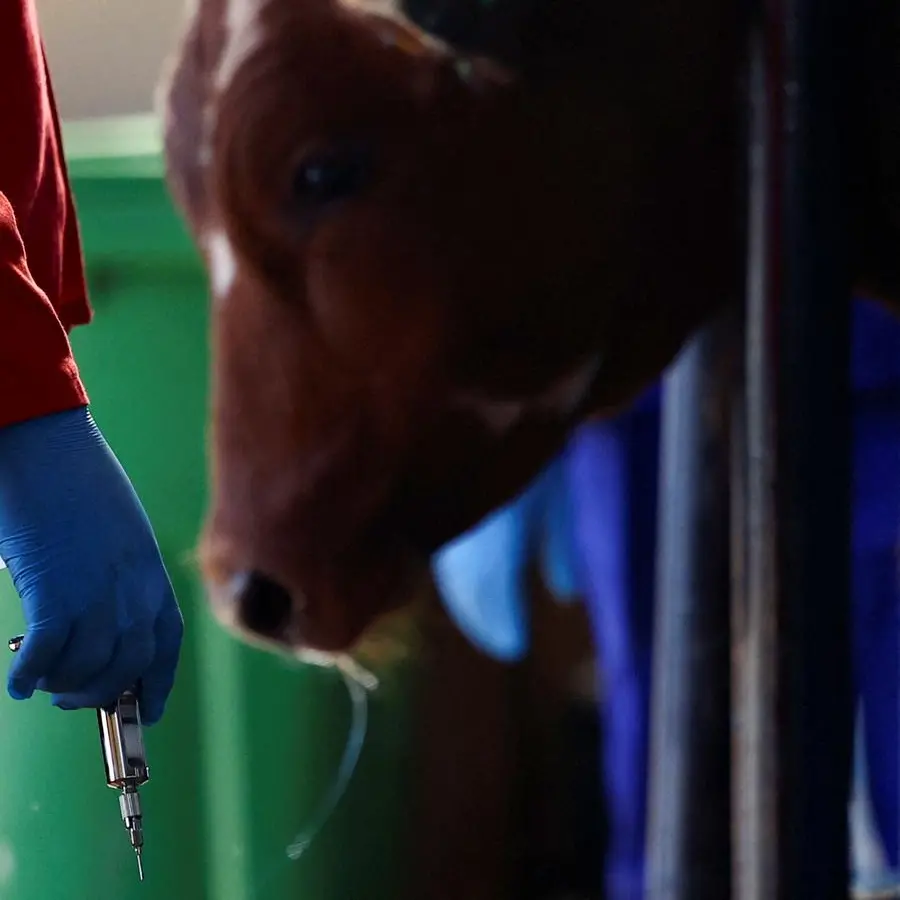
He also urged for benefiting from the Iranian expertise for producing vaccines in Syria to achieve self-sufficiency, and for exchanging expertise in the domains of modern irrigation and agriculture.
For his part, Mohammadizadeh expressed his country's readiness to support Syria and to provide the required techniques for producing vaccines, calling for benefiting from the Syrian expertise in cultivating different species of olive and for using modern irrigation techniques in the agricultural sector.
Mohammadizadeh also reviewed the Iranian expertise in the domain of combating dust and sandstorms, calling upon the neighboring countries to monitor and control the sources of such storms.
Also, Mohammadizadeh discussed with Minister of Industry Fouad Issa al-Jouni cooperation prospects between Syria and Iran in the fields of industry and environment.
Al-Jouni reviewed the standing projects between the two countries in the fields of car manufacturing, cement and glass, expressing readiness to hold new joint projects or upgrade the standing ones.
The minister expressed the Ministry's interest in manufacturing environment-friendly cars in cooperation with the Iranian side, as well as developing the technical qualifications of engines imported from Iran in order to reduce the effects of pollution.
For his part, Mohammadizadeh said his country is interested in expanding food-manufacturing projects in Syria. He also expressed Iran's readiness to render the expertise and the up-to-date, low-cost techniques to curb the effects of pollution by industrial facilities.
Minister of Irrigation Nader al-Boni also met with Mohammadizadeh and discussed cooperation between Syria and Iran in the field of managing water resources and exchanging experiences in rationalization of water consumption.
" This meeting comes to continue exchanging opinions and experiences for laying down an integrated management to water resources in the region as a whole," al-Boni said.
He added that Syria is working in the framework of agreements of sharing water, maintaining and storing it to be used properly through modern irrigation ways, pointing out to cooperation programs with the Ministry of Agriculture for the adoption of modern irrigation methods.
For his part, Mohammadizadeh pointed out to the importance of such meetings and dialogues and their role to limit problems of drought, desertification and wasting water and to provide the appropriate mechanism of its sustainable management.
He noted to the necessity of cooperation to get the utmost benefit from the modern methods of irrigation and focusing on limiting the climate conditions that affect water bodies and groundwater such as pollution and desertification.
© SANA (Syria Arab News Agency) 2009