Sudan Looks To Gold And Agriculture As Prospect Of Secession Looms
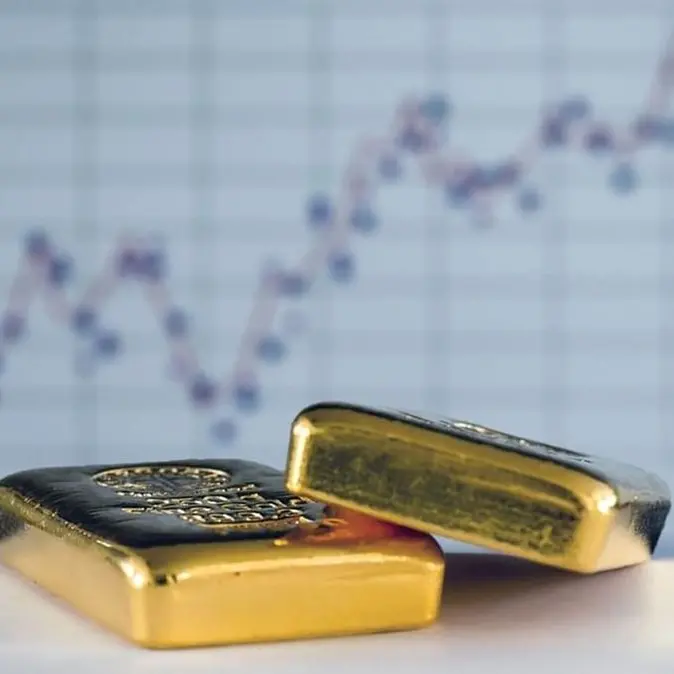
Sudan plans to double its gold output over the next two years in order to help offset a possible fall in oil revenues starting next year, when South Sudan is expected to vote in favor of secession, according the country’s Minister of Mining ʹAbd al-Baqi al-Jaylani. Sudan’s current annual gold production is close to 20 tons, and could double or even triple over the next two years should the country need it to, Reuters quoted Mr Jaylani as saying. “Historically speaking we know that Sudan is rich. But the reason we are so late to invest in this sector is that we had other easier options,” the minister said. Sudan has heavily relied on oil revenues – which are split on a 50:50 basis between the central and southern governments, as per the 2005 comprehensive peace agreement (CPA) that ended the country’s civil war – to drive growth and development in recent years. But much of the country’s hydrocarbon potential lies in South Sudan, which has fueled worries of future growth potential in the north of the country. “If the south does secede – you know 60% of our budget comes from petroleum – we have to sit and think of another alternative,” the minister noted.
World Bank Urges South Sudan To Diversify
The Sudanese central government’s concerns over future sources of funding come as the World Bank’s Vice-President for Africa Obiageli Ezekwesili urges South Sudan to diversify away from oil dependence. Speaking during a visit to South Sudan last week, Ms Ezekwesili said that diversification away from petroleum – which accounts for 98% of the southern government’s budget – was essential to building a credible development poverty reduction program. “Agriculture sector development is the antidote to the famous resource curse, that natural resource endowed countries like South Sudan could suffer from,” the official said. The south, which is barred from receiving large international loans due to Sudan’s $35bn in outstanding debt, relies heavily on food assistance supplied by the UN and other international donors. “Agriculture is a sector where the current yield ratios are really abysmal, compared to what could be,” Ms Ezekwesili said, adding that South Sudan “has every capability to embark on the right course of agricultural growth strategy that would enable it to be the supplier, not the importer of food.”
Sudan’s Foreign Debt Estimated At $36Bn
Sudan owes some $36bn to international lenders, the World Bank Vice-President for Africa Obiageli Ezekwesili told the media at a press conference in Juba. Ms Ezekwesili said that of this total, Sudan owes the World Bank $7bn, stressing if the south votes for secession or not the issue of the total debt will remain the responsibility of the two government in Juba and Khartoum. She went to say that the World Bank and the IMF are sorting out how much each region ought to pay.
Copyright MEES 2010.