Thursday, Feb 26, 2004
Donald Rumsfeld, US defence secretary, vowed yesterday to help Kazakhstan ensure security in the oil-rich Caspian Sea, an area of special interest for Washington as it seeks to diversify its crude oil supply away from the Middle East.
Mr Rumsfeld flew into Kazakhstan, a former Soviet republic that is likely to become an important oil producer in the next decade, as part of a trip to the region aimed at strengthening military ties and assessing future security needs.
"Caspian security and the western portion of Kazakhstan are important to this country and the world," said Mr Rumsfeld. "We have been co-operating with exercises, various types of equipment and refurbishment of bases."
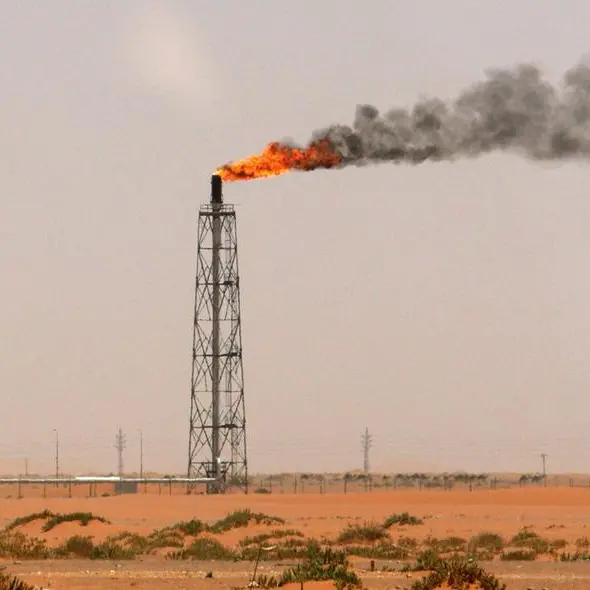
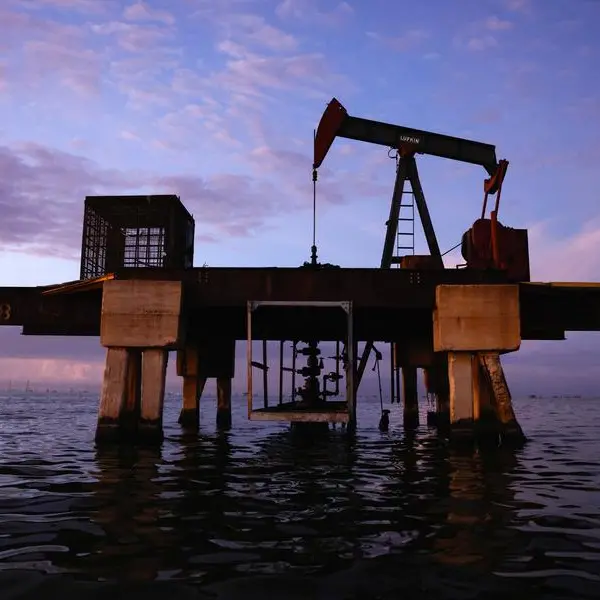
Last year, the Caspian Sea oilfield of Kashagan, off Kazakhstan, was confirmed as one of the biggest oil finds of recent decades with an estimated 7bn-9bn barrels of recoverable oil.
US security efforts will focus particularly on helping Kazakhstan's military ensure the security of pipelines and installations around its Caspian coastline. The US is to spend Dollars 5m this year on weapons, armour and training to help the country build up its navy.
Kazakhstan decided last year to set up its own navy and will take delivery of its first battleships in coming months.
The states bordering the Caspian - including Kazakhstan, Turkmenistan, Iran, Azerbaijan and Russia - are engaged in a dispute over sharing the sea's resources.
In an attempt to diversify oil production away from the Middle East, Washington has become increasingly involved in the former Soviet central Asia where it has encouraged western oil groups to operate.
As Mr Rumsfeld arrived in Astana, the Kazakh government was signing an agreement with a consortium of foreign oil companies, including ExxonMobil and ConocoPhilips on oil production in the Caspian. The companies have delayed the start of production at the offshore Kashagan site by more than three years because of technical problems.
Mr Rumsfeld praised Kazakhstan as a model for successful disarmament. When Kazakhstan seceded from the Soviet Union in 1991, it had the fourth largest nuclear arsenal in the world, which it unilaterally surrendered by 1995.
"Had Iraq followed the Kazakhstan model and disarmed the way Kazakhstan did there would not have been a war," said Mr Rumsfeld.
US military ties with Kazakhstan were boosted after it sent 27 peacekeeping troops to Iraq in August to help with demining and restoring water supplies.
By SALAMANDER DAVOUDI
Copyright The Financial Times Ltd 2004. Privacy policy.