PHOTO
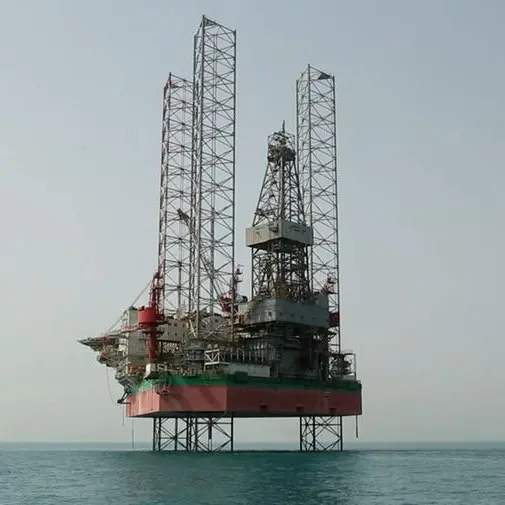
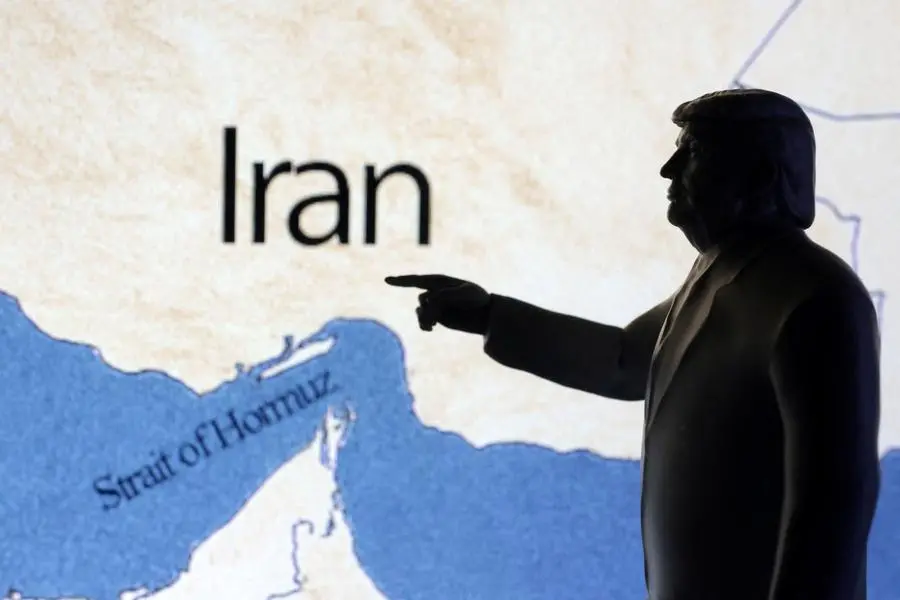
Oil prices were higher on Friday as concern of conflict between the U.S. and Iran ratcheted up, with Washington saying Tehran will suffer if it does not agree a deal about its nuclear activity within a matter of days.
Brent crude futures rose 21 cents, or 0.3%, to $71.87, while U.S. West Texas Intermediate crude gained 23 cents, or 0.4% to $66.66.
Prices settled at their highest in six months on Thursday after U.S. President Trump said "really bad things" would happen if Iran does not come to an agreement regarding a nuclear program it has said is peaceful but that the U.S. believes is militaristic. Trump set a deadline of 10 to 15 days.
Iran, meanwhile, has planned a joint naval exercise with Russia, a local news agency reported, days after temporarily closing the Strait of Hormuz for military drills.
The major oil producer lies opposite the oil-rich Arabian Peninsula across the Strait of Hormuz, through which about 20% of global oil supply passes. Conflict in the area could limit oil supplies entering the global market and push up prices.
Also supporting oil prices were reports of falling crude oil stocks and limited exports in the world's biggest oil producing and exporting countries.
U.S. crude inventories dropped by 9 million barrels, as refining utilisation and exports climbed, showed an Energy Information Administration report on Thursday.
Oil exports from Saudi Arabia, the world's largest oil exporter, fell to 6.988 million barrels per day in December, the lowest since September, showed data from the Joint Organizations Data Initiative.
Elsewhere, Japan's annual core consumer inflation rate hit 2.0% in January, the slowest in two years, potentially dragging on any central bank plan to raise its policy interest rate.
Low interest rates in oil-importing countries such as Japan are typically seen as supportive for crude prices. (Reporting by Laila Kearney in New York; Editing by Christopher Cushing)