27 January 2008
One of the remarkable changes in our world today is that economic and business news is becoming more "popular", instead of being confined to economists and businesspeople. IT development plays a role in that, but there is also a cultural change and socio-political evolution instigated by the changing relationship between business and politics.
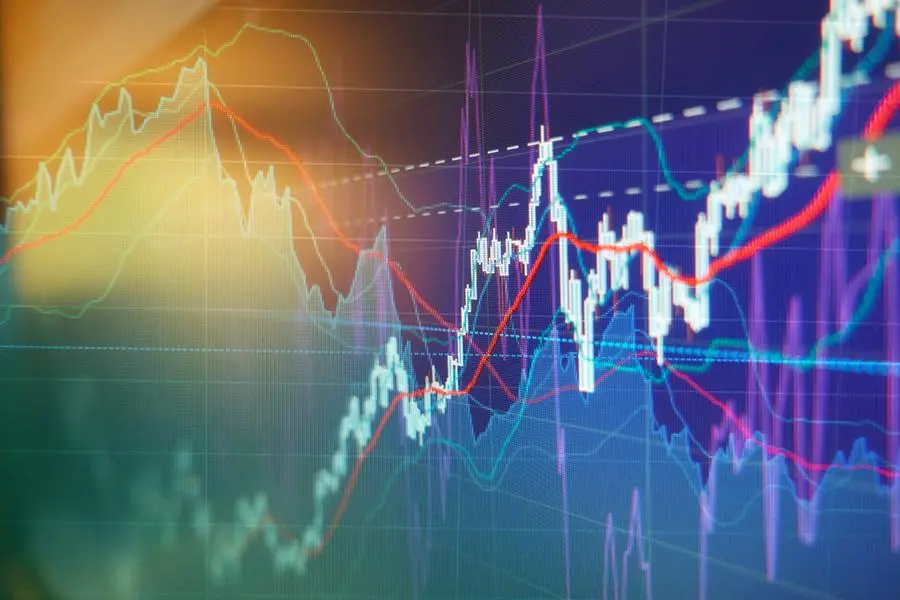
That is why the news on the state of the world stock markets and the negative data and figures about the world's largest economy is making headlines around the globe.
Conventional wisdom suggests the biggest economy in the world is the engine of the global economy, and the engine should keep running to avoid a global crisis. Some have started to argue now that other, rapidly growing economies, particularly China and India, are starting to push the US economy from its leading position. Yet, the world can't stand an American economic recession.
So, why does the rest of the globe have to keep the US afloat? There seems to be more than economic and business reasons. The economic rescue package announced by President George W. Bush might not be the quick fix needed to stop American economy from going into recession. Analysts described Bush's plan for $150 billion (Dh550.5 billion) in temporary tax cuts and other measures as too little too late or too predictable to kick-start the flagging US economy.
The aim is to increase consumer spending that amounts to more than half the Gross Domestic Product (GDP), thus encouraging economic growth as recession is broadly measured by negative GDP growth in two consecutive quarters.
It has happened before, stock markets tumble and GDP growth stagnates, and experts call this "cyclical correction" - periods of strong growth followed by slowdown. So why worry now? There is a fear that the ills of the American economy are deep, and rooted in huge imbalances accumulated over a long period of time. The core issue is that America is going too far in living on credit - like a person borrowing heavily to live beyond his means.
Losing their edge
By the middle of the last century, the traditional big powers started losing their global edge, with their economies suffering from two world wars and smaller wars of independence in their colonies. For example, Britain could no longer rely on cheap labour and abundant raw material from its empire in the subcontinent and elsewhere. The US was the rising new economy then.
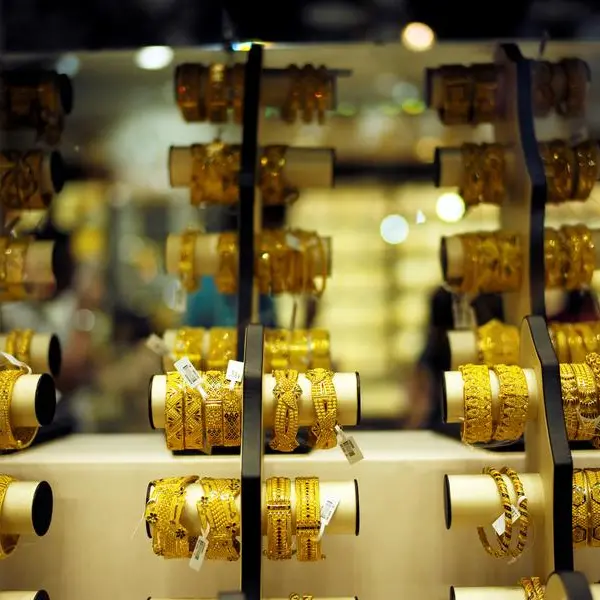
Expanding market for exports of others and ideas for investment made America the magnet of world wealth, and by the mid-1970s gold lost its position to the US dollar as the benchmark for global wealth.
Hundreds of billions of dollars kept coming from everywhere, through treasury bonds and other means, to finance America. That was economically viable as the less risky long-term investment - the world can't afford to let the engine of its economy break down. Since the start of the 21st century, there has been a shift in focus for global investment and the US economy seems to be losing its edge. New economic powerhouses are attracting more of the global money flow. America is fighting at least two wars in Afghanistan and Iraq, and is becoming less open to the "other", whether an investor, a businessman or economic immigrant.
Yet, the world is still lending Americans more than two billion dollars a day to keep US afloat. How long this is going to continue is not known, and bailout costs might keep rising. Although the US economy is not yet a liability to the world economy, it is not as good as it used to be. Even if the rest of the world is ready to sacrifice part of its wealth to cure its ills, the structural imbalances are not showing any sign of improvement.
This phase of capitalism metamorphosis is not complete, so we ought to finance America again this time - at least to avoid the shock reverberating through the global economy and reaching the walls of our own house.
Dr Ahmad Mustafa is a London-based Arab writer.
Gulf News 2008. All rights reserved.