01 July 2009
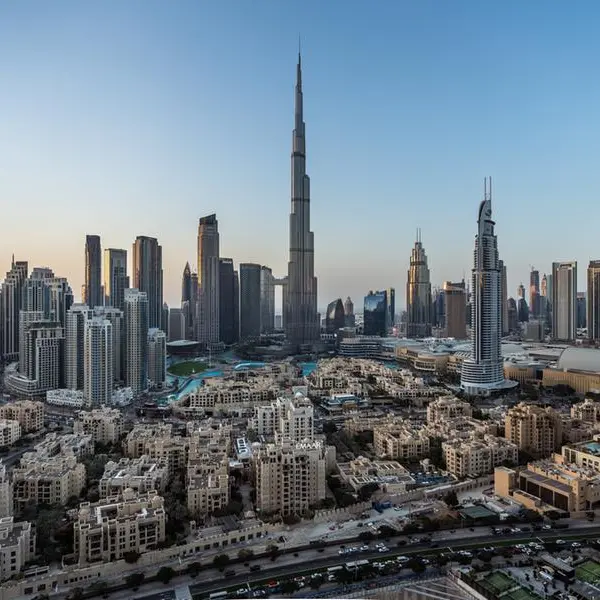
Investment bank VTB Capital sees the region as one of the important capital pools in the world. Herbert Moos, Chief Executive Officer of VTB Capital, says: "The changed world is no longer dominated by the Western markets and has moved to become dependent on a number of very important capital pools, one of them is Asia, another is the Middle East." Owned by Russia's VTB Group, it now has a presence in Dubai. VTB Capital, which would target large investors, is expecting its major transactions to start materialising by the year-end. Moos spoke to Emirates Business about the investment bank's plans for the region.
Amid challenges of the global economic tumult, how do you plan to tap business in this region?
We aim to build a Russian investment banking champion. Looking at Dubai, we notice a significant number of banks but to our knowledge there are no banks offering Russian investment banking products. So what we are offering is very unique and specially designed. In that sense the current environment presents us with very appealing opportunities.
We are building a Russian investment banking champion towards which we are offering a comprehensive set of investment banking products focused on Russia.
We are offering markets products, investment banking and investment management products. These would range from fixed income and equities, derivatives and credit to commodities. In investment banking, we have a team of coverage bankers for all the key Russian industries - financials, metals and mining, oil and gas etc; M&A, debt capital markets and equity capital markets teams. In investment management, our role would be to manage investments for third-party investors and we have interest in infrastructure, real estate funds, VC funds, etc, besides some of public funds. Across each of those product lines we see specific investment opportunities.
How does the region fit into your growth strategy?
VTB Bank is an established organisation, while VTB Capital is a new project for the bank. We reflected on opportunities available to us rather than looking to replicate anything. We also need comprehensive geographical coverage. Part of that strategy is reflection on what we call internally "multiple world", we believe the world has changed fundamentally after the crisis. It is no longer dominated by the Western markets and has moved to become dependent on a number of very important capital pools, one of them is Asia, another is the Middle East. As part of the strategy, we recently established a presence in Singapore and now in the Middle East.
You are looking at pursuing sale of Islamic bonds (sukuk). Amid a challenging economic climate, how optimistic are you about the market for these bonds in Russia?
We are very actively pursuing sukuk issuances and are looking to be the first bank to be the Russian issuer in the sukuk market. Realistically we are looking at Q4 this year for market to look up. The fact that it's slowed down doesn't mean the market is disappearing.
On the contrary, the market would grow with the addition of potential Russian investor base. We have had some discussions with large institutional investors there and potential issuers; there is significant appetite to invest in properly structured Shariah-compliant products.
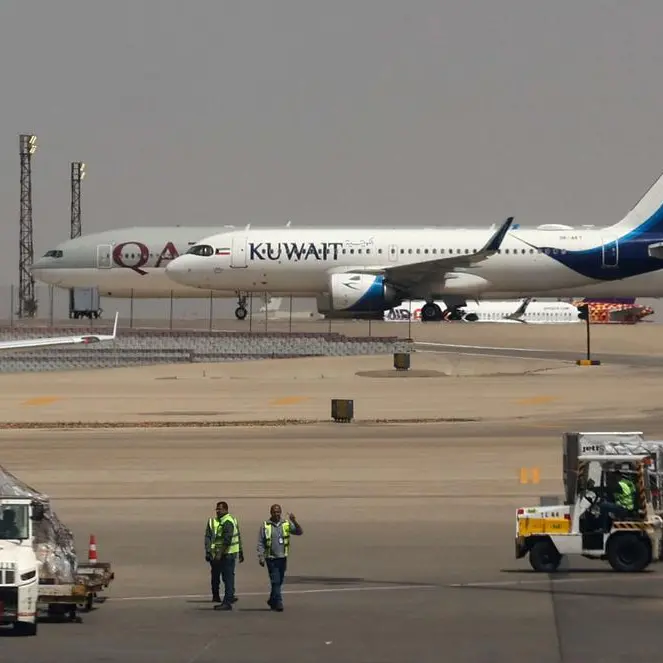
How would your recent MoU with Kuwait Finance House contribute towards that?
We don't have expertise, we signed an MoU with Kuwait Finance House. It can provide the expertise to structure the investment in an appropriate manner.
Are you seeing an increased interest for Islamic products in Russia?
For every new product there would be a period of adaptation. We don't have unrealistic expectation that market will just take off, but certainly there is scope for take-off this year.
How would you facilitate flow of investments from and to this region?
From Russia to the Middle East, our clients would be clients of the VTB Group, which is the second largest group in Russia; almost 60 per cent of Russian corporates are banked by VTB bank. We are able to advise them on new opportunities that emerge here. With Russia having significant expertise in energy, it has a number of companies active on that front. There are lots of companies looking for opportunities. In this region, we are targeting institutional investors and sovereign funds. As the VTB Group is close to 80 per cent owned by the government, investors would have political assurances about those investments. We are talking to large institutional investors and sophisticated investment projects.
Why do you think Russia presents attractive opportunities?
In a number of aspects the Middle East is very complementary to Russia, in many others, very different. If you look at the complementary side, Russia is a great producer of energy, so is this region. We both need to diversify away from our traditional dependence. In that respect, even the projects that are dealing with energy and exploration in the geographically diverse sector will present opportunities for both sides. Russia needs significant investment in infrastructure; it's an area familiar to investors of this region with a lot of spending happening towards infrastructure-related projects.
In fact we are bidding for the third largest airport in Russia in conjunction with Frankfurt airport. As it would require heavy investment, if we win we would be looking at a large number of partners to come in and it would certainly create a lot of interest for Middle East investors.
Talking about differences, this region, for example, is dependent on agriculture projects. Russia has tremendous amount of fertile soil, the yields on that soil are low - it just needs investments, intensive methods of cultivation; it's a great opportunity, the valuations are compelling, the challenge is that none is bringing those opportunities to investors here. The present environment presents a perfect chance for investors to tap that area. Russia obviously has been impacted by the crisis. It has recorded a very strong performance since the beginning of the year not only in emerging markets but also globally and the valuations are very attractive. We believe that by providing the investors in the region with targeted opportunities we can bring them value.
By when do you see major transactions in the region happening and where do you see your operations in this region a year from now?
Realistically, after Ramadan, by the end of this year we see major transactions materialising. We are trying to be very practical in our approach, we are taking a conservative position, we hope in a year's time we are profitable and cover our costs and start making money.
Herbert Moos, CEO, VTB Capital
Moos joined VTB Capital in August 2008 following a distinguished career of 14 years at Lehman Brothers where he was most recently CFO, Asia-Pacific ex-Japan and Treasurer, Asia-Pacific based in Tokyo and Hong Kong.
In his last six years at LB in Asia-Pacific, he played a key role in building LB's Asia investment banking franchise from a satellite to an operation with $3 billion (Dh11bn) in annual net revenue. Moos has a masters in finance from the London Business School.
He also holds AMCT (Member of the Association of Corporate Treasurers) professional qualification and is a CFA(r) charterholder.
Investment bank VTB Capital sees the region as one of the important capital pools in the world. Herbert Moos, Chief Executive Officer of VTB Capital, says: "The changed world is no longer dominated by the Western markets and has moved to become dependent on a number of very important capital pools, one of them is Asia, another is the Middle East." Owned by Russia's VTB Group, it now has a presence in Dubai. VTB Capital, which would target large investors, is expecting its major transactions to start materialising by the year-end. Moos spoke to Emirates Business about the investment bank's plans for the region.
Amid challenges of the global economic tumult, how do you plan to tap business in this region?
We aim to build a Russian investment banking champion. Looking at Dubai, we notice a significant number of banks but to our knowledge there are no banks offering Russian investment banking products. So what we are offering is very unique and specially designed. In that sense the current environment presents us with very appealing opportunities.
We are building a Russian investment banking champion towards which we are offering a comprehensive set of investment banking products focused on Russia.
We are offering markets products, investment banking and investment management products. These would range from fixed income and equities, derivatives and credit to commodities. In investment banking, we have a team of coverage bankers for all the key Russian industries - financials, metals and mining, oil and gas etc; M&A, debt capital markets and equity capital markets teams. In investment management, our role would be to manage investments for third-party investors and we have interest in infrastructure, real estate funds, VC funds, etc, besides some of public funds. Across each of those product lines we see specific investment opportunities.
How does the region fit into your growth strategy?
VTB Bank is an established organisation, while VTB Capital is a new project for the bank. We reflected on opportunities available to us rather than looking to replicate anything. We also need comprehensive geographical coverage. Part of that strategy is reflection on what we call internally "multiple world", we believe the world has changed fundamentally after the crisis. It is no longer dominated by the Western markets and has moved to become dependent on a number of very important capital pools, one of them is Asia, another is the Middle East. As part of the strategy, we recently established a presence in Singapore and now in the Middle East.
You are looking at pursuing sale of Islamic bonds (sukuk). Amid a challenging economic climate, how optimistic are you about the market for these bonds in Russia?
We are very actively pursuing sukuk issuances and are looking to be the first bank to be the Russian issuer in the sukuk market. Realistically we are looking at Q4 this year for market to look up. The fact that it's slowed down doesn't mean the market is disappearing.
On the contrary, the market would grow with the addition of potential Russian investor base. We have had some discussions with large institutional investors there and potential issuers; there is significant appetite to invest in properly structured Shariah-compliant products.
How would your recent MoU with Kuwait Finance House contribute towards that?
We don't have expertise, we signed an MoU with Kuwait Finance House. It can provide the expertise to structure the investment in an appropriate manner.
Are you seeing an increased interest for Islamic products in Russia?
For every new product there would be a period of adaptation. We don't have unrealistic expectation that market will just take off, but certainly there is scope for take-off this year.
How would you facilitate flow of investments from and to this region?
From Russia to the Middle East, our clients would be clients of the VTB Group, which is the second largest group in Russia; almost 60 per cent of Russian corporates are banked by VTB bank. We are able to advise them on new opportunities that emerge here. With Russia having significant expertise in energy, it has a number of companies active on that front. There are lots of companies looking for opportunities. In this region, we are targeting institutional investors and sovereign funds. As the VTB Group is close to 80 per cent owned by the government, investors would have political assurances about those investments. We are talking to large institutional investors and sophisticated investment projects.
Why do you think Russia presents attractive opportunities?
In a number of aspects the Middle East is very complementary to Russia, in many others, very different. If you look at the complementary side, Russia is a great producer of energy, so is this region. We both need to diversify away from our traditional dependence. In that respect, even the projects that are dealing with energy and exploration in the geographically diverse sector will present opportunities for both sides. Russia needs significant investment in infrastructure; it's an area familiar to investors of this region with a lot of spending happening towards infrastructure-related projects.
In fact we are bidding for the third largest airport in Russia in conjunction with Frankfurt airport. As it would require heavy investment, if we win we would be looking at a large number of partners to come in and it would certainly create a lot of interest for Middle East investors.
Talking about differences, this region, for example, is dependent on agriculture projects. Russia has tremendous amount of fertile soil, the yields on that soil are low - it just needs investments, intensive methods of cultivation; it's a great opportunity, the valuations are compelling, the challenge is that none is bringing those opportunities to investors here. The present environment presents a perfect chance for investors to tap that area. Russia obviously has been impacted by the crisis. It has recorded a very strong performance since the beginning of the year not only in emerging markets but also globally and the valuations are very attractive. We believe that by providing the investors in the region with targeted opportunities we can bring them value.
By when do you see major transactions in the region happening and where do you see your operations in this region a year from now?
Realistically, after Ramadan, by the end of this year we see major transactions materialising. We are trying to be very practical in our approach, we are taking a conservative position, we hope in a year's time we are profitable and cover our costs and start making money.
Herbert Moos, CEO, VTB Capital
Moos joined VTB Capital in August 2008 following a distinguished career of 14 years at Lehman Brothers where he was most recently CFO, Asia-Pacific ex-Japan and Treasurer, Asia-Pacific based in Tokyo and Hong Kong.
In his last six years at LB in Asia-Pacific, he played a key role in building LB's Asia investment banking franchise from a satellite to an operation with $3 billion (Dh11bn) in annual net revenue. Moos has a masters in finance from the London Business School.
He also holds AMCT (Member of the Association of Corporate Treasurers) professional qualification and is a CFA(r) charterholder.
By Shveta Pathak
© Emirates Business 24/7 2009