07 February 2012
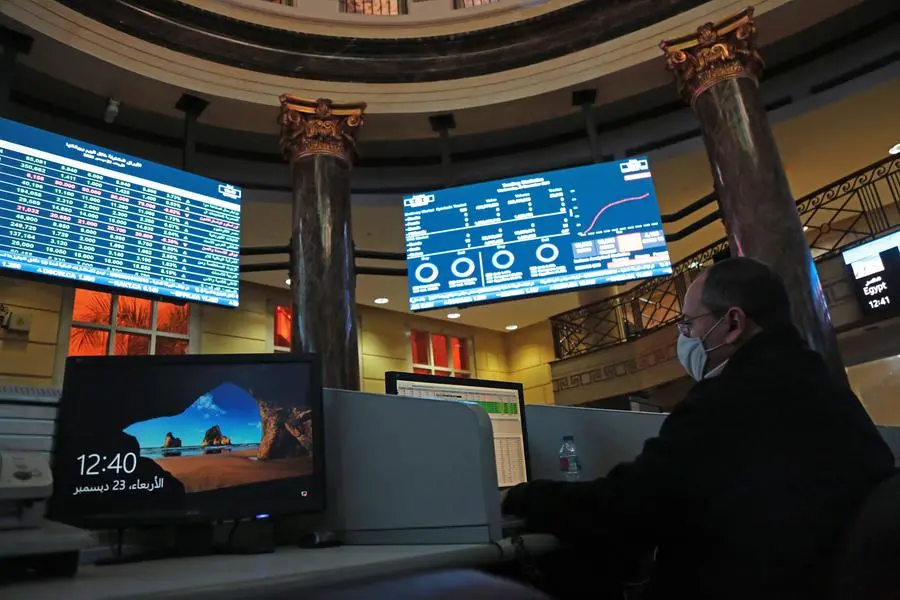
MUSCAT -- GCC markets started 2012 showing mixed trends as Saudi and UAE bourses recorded monthly gains while Oman, Bahrain and Qatar reported monthly declines at the end of January 2012. In Kuwait, the weighted index was flat though the prices index reported good gains. However the trading activity in GCC region increased as the investors tried to position them ahead of the earnings announcement and also take advantage of the low valuation prevailing in the markets.
Overall the GCC markets showed 17.7 billion shares changing hands at a value of $46.4 billion. The market cap of the GCC region reached $705.4 billion at the end of January 2012 as compared to $697.2 billion reported at the end of 2011, registering a monthly gain of 1 per cent. Saudi Arabia, the biggest market in terms of market capitalisation registered a growth of 2.5 per cent as its market capitalisation reached $347.3 billion at the end of the month.
Saudi market reported a monthly growth of 3.25 per cent as the benchmark Saudi index closed at 6,626.04 points. Saudi corporates profit grew by around 21 per cent in 2011. Among the major corporate earnings news, SABIC 4Q11 profitability declined by 9.8 per cent YoY and 36 per cent QoQ because of lower pricing environment in global markets, despite an increase in sales volumes. Saudi banking sector registered 16 per cent growth in profits in 4Q2011 as compared to 4Q2010. Al Rajhi bank net profit was up by 9 per cent YoY to reach SAR7,378mn while its total assets increased by 19.5 per cent YoY (3.8 per cent QoQ) reaching SAR221 billion. Al Rajhi bank's stock gained around 4.3 per cent in the month. Among the major gainers in Saudi markets were insurance stocks with Arabian Shield Cooperative Insurance Company, Trade Union Cooperative Insurance Company and Saudi Re for Cooperative Reinsurance gaining more than 35 per cent in the month. Major decliners include Al Mojil Group (-17 per cent), Tihama Advertising (-14 per cent) and Arabian Pipes (-13 per cent).
Kuwait market ended the month on a mixed note with the benchmark Global General index registering a monthly loss of -0.06 per cent. However, the KSE Price index reported a monthly gain of 0.94 per cent indicating buying interests in mid-cap and small cap stocks.
Among the big names, National Bank of Kuwait (NBK) reported a profit of KWD302.4mn for 2011 exhibiting stagnancy over 2010. The results were in line with our estimates for the period. On a line by line basis, the bank's top-line performed as per our expectations however actual non-interest income varied a bit upwards (4 per cent) from our projections due to higher investment gains and income from associates. This was however offset by higher than anticipated provisions booked by NBK during 2011.
NBK ended the month with a gain of 5.4 per cent. Among the major gainers was Al Madina for Finance and Hits Telecom which gained around 80 per cent in the month. The real estate stocks witnessed some selling pressure with Sanam Real Estate, Marakez Real Estate and ALARGAN International Real Estate down by more than 18 per cent each during the month.
Qatar index reported a monthly decline of 2.4 per cent. On the corporate profits, Qatari banks came up with strong profitability growth with the 4Q11 sector profitability increasing by 20.1 per cent YoY but down 5 per cent QoQ. Qatar National Bank, as expected, delivered the strongest growth with its net profit increasing 35 per cent YoY and 10 per cent QoQ with Masraf al Rayan closely following with a growth of 32 per cent YoY and 23 per cent QoQ. Among the banking stocks, Ahlibank witnessed buying interest as it registered a monthly growth of around 13 per cent. Insurance companies hogged the limelight in Qatar with Doha Insurance (+17 per cent) and Qatar Insurance (+7 per cent) notching handsome gains in Jan-2012.
Highest index growth was seen in Dubai's DFM index as it notched an impressive monthly growth of 6.08 per cent in Jan-2012. ADX index too registered a growth of 2.15 per cent. Among the results declared so far, First Gulf Bank net profit for full year 2011 was recorded at AED3,707mn, up by 8 per cent YoY.
The improvement in the bank's asset quality figures was highly encouraging but the best news that came with the result was the spectacular payouts recommended by the board. As a result FGB stock surged 11 per cent in Jan-12 to end at AED17.15. NBAD's net profit for full year 2011 was recorded at AED3,708mn, up by 1 per cent YoY while the operating income for 4Q11 and 2011 surged by 10 per cent YoY each. NBAD ended the month at AED10.7 recording a monthly loss of 2.3 per cent. Cement stocks were in the limelight with Sharjah Cement gaining 40 per cent, Gulf Cement up 32 per cent and Umm Al Quwain Cement gaining 20.7 per cent in the month.
Markets participants are anxiously looking forward to any policy decision regarding opening up the Saudi market direct foreign investment and any such decision is likely to attract foreign investors. Among the other regulatory news, the Qatar Financial Markets Authority (QFMA) announced that it has officially adopted the new listing and IPO rules in the secondary market which will help in promoting newly established small- and medium-sized enterprises (SMEs) to list on the Qatar Exchange.
"We think such steps will help in reviving the IPO markets that will add to the depth and liquidity in financial markets. On the other hand, Capital Markets Authority signed an agreement with HSBC for the privatisation of the Kuwait Stock Exchange and setting up a new company to run the bourse.
In the oil markets, oil prices ended 2011 close to $100 per barrel mark as political upheaval in the Arab world outweighed concerns over health of the global economy. The average price for oil in 2011 reported a 19.6 per cent increase, to reach $94.9 per barrel.
World oil demand grew by 1.04 per cent YoY in 2011 driven by demand in the emerging countries, particularly China. High oil prices will benefit the GCC economies as they can go ahead on their mega-project which will have a trickledown effect on the economic growth and financial system.
However, global issues led by euro zone crisis continue to weigh on the risky assets across the world and any positive and negative news emanating from the euro zone is likely to have a direct bearing on risk-appetite in the short term. In the region, earnings announcement will play a major role as inventors are likely to churn their portfolios and this is likely to increase the trading activity on the bourses.
MUSCAT -- GCC markets started 2012 showing mixed trends as Saudi and UAE bourses recorded monthly gains while Oman, Bahrain and Qatar reported monthly declines at the end of January 2012. In Kuwait, the weighted index was flat though the prices index reported good gains. However the trading activity in GCC region increased as the investors tried to position them ahead of the earnings announcement and also take advantage of the low valuation prevailing in the markets.
Overall the GCC markets showed 17.7 billion shares changing hands at a value of $46.4 billion. The market cap of the GCC region reached $705.4 billion at the end of January 2012 as compared to $697.2 billion reported at the end of 2011, registering a monthly gain of 1 per cent. Saudi Arabia, the biggest market in terms of market capitalisation registered a growth of 2.5 per cent as its market capitalisation reached $347.3 billion at the end of the month.
Saudi market reported a monthly growth of 3.25 per cent as the benchmark Saudi index closed at 6,626.04 points. Saudi corporates profit grew by around 21 per cent in 2011. Among the major corporate earnings news, SABIC 4Q11 profitability declined by 9.8 per cent YoY and 36 per cent QoQ because of lower pricing environment in global markets, despite an increase in sales volumes. Saudi banking sector registered 16 per cent growth in profits in 4Q2011 as compared to 4Q2010. Al Rajhi bank net profit was up by 9 per cent YoY to reach SAR7,378mn while its total assets increased by 19.5 per cent YoY (3.8 per cent QoQ) reaching SAR221 billion. Al Rajhi bank's stock gained around 4.3 per cent in the month. Among the major gainers in Saudi markets were insurance stocks with Arabian Shield Cooperative Insurance Company, Trade Union Cooperative Insurance Company and Saudi Re for Cooperative Reinsurance gaining more than 35 per cent in the month. Major decliners include Al Mojil Group (-17 per cent), Tihama Advertising (-14 per cent) and Arabian Pipes (-13 per cent).
Kuwait market ended the month on a mixed note with the benchmark Global General index registering a monthly loss of -0.06 per cent. However, the KSE Price index reported a monthly gain of 0.94 per cent indicating buying interests in mid-cap and small cap stocks.
Among the big names, National Bank of Kuwait (NBK) reported a profit of KWD302.4mn for 2011 exhibiting stagnancy over 2010. The results were in line with our estimates for the period. On a line by line basis, the bank's top-line performed as per our expectations however actual non-interest income varied a bit upwards (4 per cent) from our projections due to higher investment gains and income from associates. This was however offset by higher than anticipated provisions booked by NBK during 2011.
NBK ended the month with a gain of 5.4 per cent. Among the major gainers was Al Madina for Finance and Hits Telecom which gained around 80 per cent in the month. The real estate stocks witnessed some selling pressure with Sanam Real Estate, Marakez Real Estate and ALARGAN International Real Estate down by more than 18 per cent each during the month.
Qatar index reported a monthly decline of 2.4 per cent. On the corporate profits, Qatari banks came up with strong profitability growth with the 4Q11 sector profitability increasing by 20.1 per cent YoY but down 5 per cent QoQ. Qatar National Bank, as expected, delivered the strongest growth with its net profit increasing 35 per cent YoY and 10 per cent QoQ with Masraf al Rayan closely following with a growth of 32 per cent YoY and 23 per cent QoQ. Among the banking stocks, Ahlibank witnessed buying interest as it registered a monthly growth of around 13 per cent. Insurance companies hogged the limelight in Qatar with Doha Insurance (+17 per cent) and Qatar Insurance (+7 per cent) notching handsome gains in Jan-2012.
Highest index growth was seen in Dubai's DFM index as it notched an impressive monthly growth of 6.08 per cent in Jan-2012. ADX index too registered a growth of 2.15 per cent. Among the results declared so far, First Gulf Bank net profit for full year 2011 was recorded at AED3,707mn, up by 8 per cent YoY.
The improvement in the bank's asset quality figures was highly encouraging but the best news that came with the result was the spectacular payouts recommended by the board. As a result FGB stock surged 11 per cent in Jan-12 to end at AED17.15. NBAD's net profit for full year 2011 was recorded at AED3,708mn, up by 1 per cent YoY while the operating income for 4Q11 and 2011 surged by 10 per cent YoY each. NBAD ended the month at AED10.7 recording a monthly loss of 2.3 per cent. Cement stocks were in the limelight with Sharjah Cement gaining 40 per cent, Gulf Cement up 32 per cent and Umm Al Quwain Cement gaining 20.7 per cent in the month.
Markets participants are anxiously looking forward to any policy decision regarding opening up the Saudi market direct foreign investment and any such decision is likely to attract foreign investors. Among the other regulatory news, the Qatar Financial Markets Authority (QFMA) announced that it has officially adopted the new listing and IPO rules in the secondary market which will help in promoting newly established small- and medium-sized enterprises (SMEs) to list on the Qatar Exchange.
"We think such steps will help in reviving the IPO markets that will add to the depth and liquidity in financial markets. On the other hand, Capital Markets Authority signed an agreement with HSBC for the privatisation of the Kuwait Stock Exchange and setting up a new company to run the bourse.
In the oil markets, oil prices ended 2011 close to $100 per barrel mark as political upheaval in the Arab world outweighed concerns over health of the global economy. The average price for oil in 2011 reported a 19.6 per cent increase, to reach $94.9 per barrel.
World oil demand grew by 1.04 per cent YoY in 2011 driven by demand in the emerging countries, particularly China. High oil prices will benefit the GCC economies as they can go ahead on their mega-project which will have a trickledown effect on the economic growth and financial system.
However, global issues led by euro zone crisis continue to weigh on the risky assets across the world and any positive and negative news emanating from the euro zone is likely to have a direct bearing on risk-appetite in the short term. In the region, earnings announcement will play a major role as inventors are likely to churn their portfolios and this is likely to increase the trading activity on the bourses.
© Oman Daily Observer 2012