PHOTO
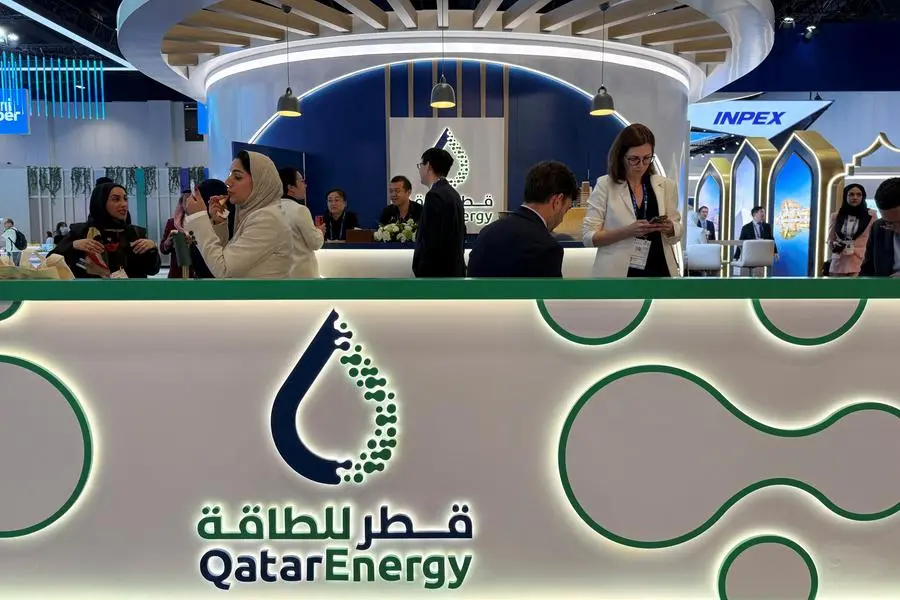
QatarEnergy's (Aa2 stable) credit quality remains resilient despite the closure of the Strait of Hormuz and damage to some production assets from Iran’s March 18–19 missile strikes, Moody’s said.
If hostilities are resolved and no further material damage is inflicted, Moody’s estimate that QatarEnergy should be able to generate free cash flow before dividends at around $15 billion on an annual basis, which should be sufficient to absorb operating losses and additional repair-related capital spending.
Iranian missile strikes damaged two of QatarEnergy's 14 liquefied natural gas (LNG) trains and one of its two gas-to-liquids (GTL) facilities. This followed an earlier attack on 2 March that caused QatarEnergy to halt LNG production.
According to Moody’s, despite the damage to production assets, QatarEnergy's business profile remains robust, supported by the very large scale of its proved gas reserves, its large unaffected LNG production capacity of 64.2 million tons per annum (mtpa), and the low-cost nature of its operations as one of the world's lowest-cost gas producers, as well as strong operating efficiency.
The rating agency expects the energy giant’s credit metrics to remain strong, with debt/book capitalisation below 20% and debt/EBITDA at around 1.2x in 2026, compared with its estimates of 18% and 0.9x, respectively, for 2025.
The damaged assets, that had cost $26 billion to build, represent around 17% of its LNG production capacity, or about 12.8 mtpa. The damaged LNG trains could be offline for three to five years while the GTL facility may take minimum of one year to repair, QatarEnergy had said.
Fatih Birol, executive director of the International Energy Agency (IEA), said on Monday that the crisis in the Middle East is ‘very severe’ and worse than the two oil shocks of the 1970s combined, as well as the impact of the Russia‑Ukraine war on gas.
There could be disruptions to global supply chains after the conflict ends, and it will take time for refineries, oil fields and pipelines to come back online, as more than 40 energy assets across nine Middle Eastern countries have been ‘severely or very severely’ damaged by the war, Birol said.
(Writing by Seban Scaria seban.scaria@lseg.com; editing by Daniel Luiz)