PHOTO
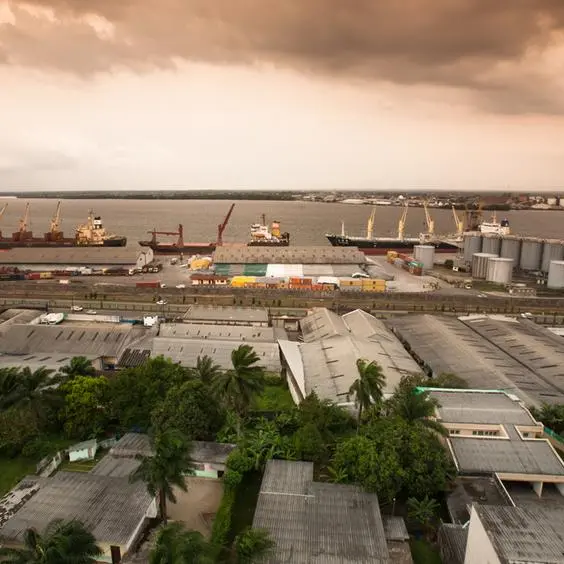
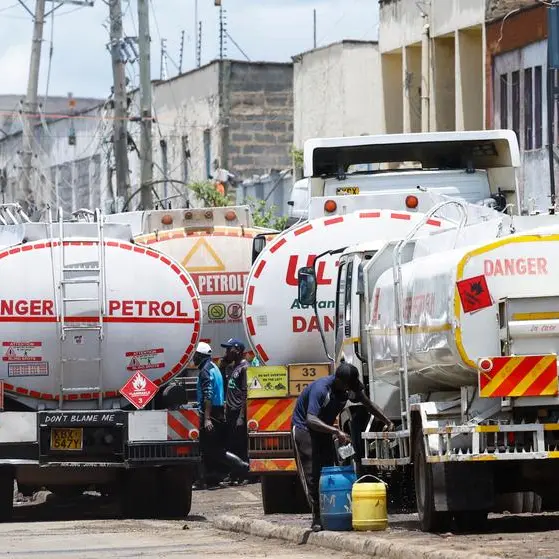
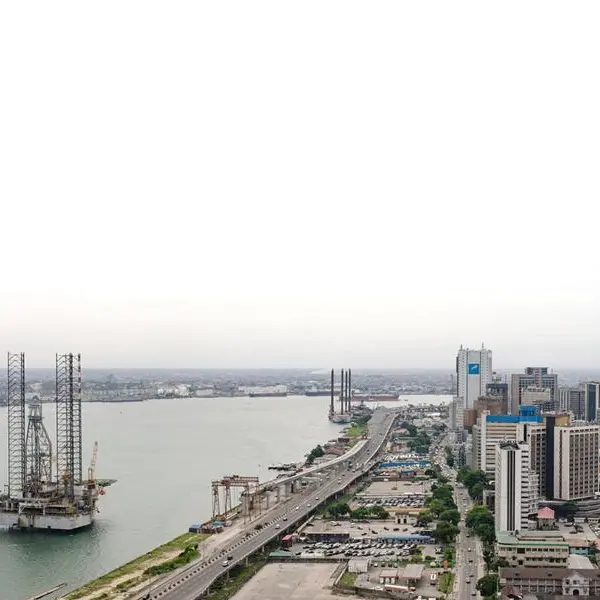
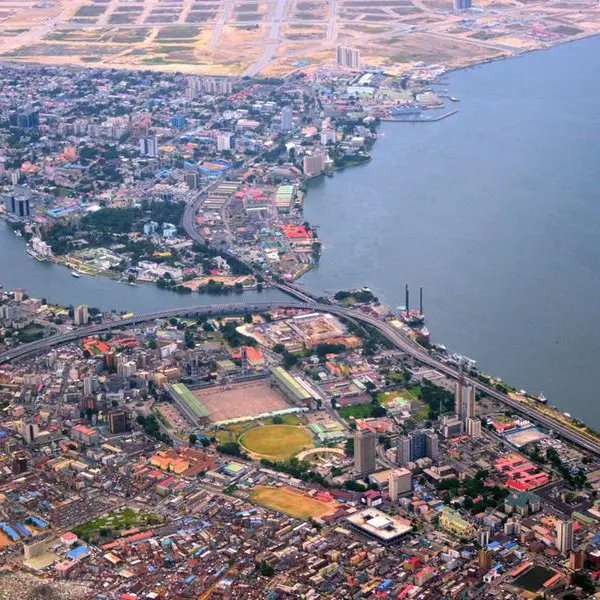
The proposal, which seeks backing from the governments of Kenya, Tanzania, Uganda, South Sudan and the Democratic Republic of Congo, would, if approved, see a Nigeria-style refinery built in Tanzania’s port city of Tanga to process crude from across the region.
But this is the wrong investment at the wrong time. Africa is being sold a 20th-century energy model just as the economics of the 21st century are moving decisively in another direction.
The real story of Africa’s energy future is happening elsewhere, on rooftops, in mini-grids, in battery storage systems, and in rapidly expanding solar markets.
The numbers behind this revolution are as staggering as they are inspiring. Africa imported 15GW of solar panels from China in the 12 months to June 2025, a 60 percent increase from the previous year.
Twenty African countries hit record import levels, while 25 imported more than 100 megawatts. Outside South Africa, imports nearly tripled in just two years.
Yet that was only the beginning. Reuters reported this week that Africa’s solar imports surged again in March 2026, up 238 percent year-on-year, reaching $438 million in a single month.
This is what an energy revolution looks like, and Africa is quietly but determinedly shifting its aspirations towards cleaner, safer and more sustainable solutions.
As the oligarchs plan their next moves, African households, businesses and governments are voting with their wallets. And why wouldn’t they?A solar project can be deployed in months, whereas a refinery takes years to build. At the same time, as solar costs fall, oil markets remain volatile and hostage to geopolitical shocks.
Add to that the fact that distributed renewables bring electricity directly to communities, whereas refineries primarily enrich political elites, fossil fuel companies and construction contractors, and you begin to see why the Tanga project is a bad idea.
Access gapMost importantly, solar helps solve Africa’s biggest energy challenge, which is electricity access. Nearly 600 million Africans still lack access to electricity. Their biggest problem is not a shortage of refined petrol, but the absence of affordable, reliable power for homes, schools, hospitals and businesses.
A mega-refinery does little for a farmer in rural Tanzania trying to irrigate crops. It does little for a small business owner in Uganda relying on an expensive diesel generator, or for families in Kenya struggling with rising electricity bills. Solar, fortunately, can help all of them.
And let’s be honest about what this refinery really represents, a dangerous long-term bet on declining global demand.
The world is moving toward electric vehicles, battery storage, renewable power and cleaner transport systems. Even major oil companies are being forced to confront the reality that long-term fossil fuel demand growth is slowing.
Why, then, would Africa lock itself into billions of dollars in infrastructure that risks becoming a stranded asset before it has paid for itself?We have seen this movie before. The oligarchs keep telling African leaders that fossil fuel megaprojects will bring prosperity, but too often they bring debt, corruption, pollution and profits that flow elsewhere. Communities, meanwhile, are left with degraded land, polluted air and broken promises.
Regional choiceWe in East Africa have a chance to choose differently. We are blessed with some of the best renewable resources on Earth, including abundant solar potential, geothermal capacity in Kenya, wind corridors across the Horn of Africa, and huge opportunities for battery-backed distributed systems.
That is where public money should go, and where Africa’s development banks should focus. This might sound like an argument against industrialisation, but it isn’t. Rather, it is a call to build industries that belong to the future instead of hanging onto the coat-tails of a glorious but dirty past.
Imagine an East Africa that becomes a global leader in solar power, battery assembly, electric mobility and clean industrial growth. That future is far more exciting and far more resilient than becoming locked into another generation of oil dependency.
Aliko Dangote is no doubt eager for East African countries to back his business ventures, but our leaders have a responsibility to think about the region’s long-term future. The truth is that Africa does not need another monument to fossil fuel dependence, as the solar revolution is already here. Are our leaders paying attention?Mohamed Adow is the Director, Power Shift Africa.
© Copyright 2026 Nation Media Group. All Rights Reserved. Provided by SyndiGate Media Inc. (Syndigate.info).